Modi's Visit to Manila: A Strategic Engagement
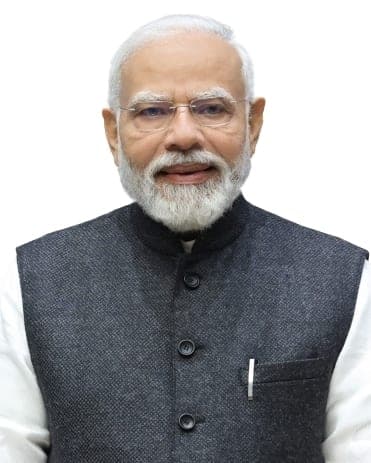
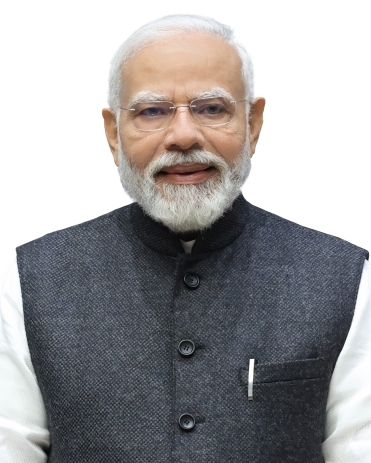
On November 16, 2026, Prime Minister Narendra Modi commenced his visit to Manila, Philippines, to participate in the 23rd ASEAN-India Summit and the 21st East Asia Summit. This visit, at the invitation of President Ferdinand R. Marcos Jr., marks a significant step in strengthening India’s ties with the ASEAN bloc, which Modi described as central to India’s Act East Policy.
In a statement prior to his departure, Modi articulated the essence of India’s relationship with ASEAN countries, stating, “Our relationship with ASEAN countries is at the heart of India’s Act East Policy and occupies a central place in our MAHASAGAR vision.” This reflects a commitment to enhancing diplomatic and economic ties with Southeast Asian nations, rooted in centuries of civilizational exchanges.
The Act East Policy: A Historical Perspective
India's Act East Policy, initiated in 2014, aims to strengthen economic and strategic relations with Southeast Asian countries. The policy is not merely a diplomatic initiative but a comprehensive approach that encompasses trade, connectivity, maritime security, technology, and cultural exchanges. Modi emphasized that these ties have evolved into a dynamic partnership, crucial for regional stability and prosperity.
The Prime Minister's remarks underscore the historical context of India’s engagement with ASEAN, which dates back to ancient trade routes and cultural exchanges. The MAHASAGAR vision, which translates to 'Great Ocean', symbolizes India’s commitment to maritime cooperation and security in the Indian Ocean region, further enhancing its strategic footprint in Southeast Asia.
Comprehensive Strategic Partnership: Progress and Prospects
At the ASEAN-India Summit, Modi expressed his eagerness to collaborate with fellow leaders to build on the progress of the Comprehensive Strategic Partnership established between India and ASEAN. This partnership, which was formalized in 2012, aims to foster deeper economic ties and enhance cooperation in various sectors, including trade, investment, and technology.
Modi stated, “I look forward to working with fellow leaders to build on the progress of our Comprehensive Strategic Partnership and give further momentum to our shared aspirations for growth, connectivity and prosperity.” This statement reflects India’s proactive approach in addressing regional challenges and enhancing its role as a key player in the Indo-Pacific region.
The East Asia Summit: A Platform for Dialogue
The East Asia Summit, scheduled for November 17, 2026, serves as a crucial platform for dialogue on regional and global challenges. Modi highlighted the importance of this summit in addressing pressing issues such as security, climate change, and economic stability. The summit brings together leaders from various countries, providing an opportunity for India to articulate its vision for regional cooperation and security.
The Prime Minister’s participation in these summits is expected to reinforce India’s commitment to multilateralism and its role in shaping the future of the Indo-Pacific region. By engaging with ASEAN countries, India aims to enhance its strategic partnerships and promote a rules-based international order.
Economic Implications of Strengthened Ties
Strengthening ties with ASEAN is not just a diplomatic endeavor; it has significant economic implications as well. The ASEAN region is one of India’s largest trading partners, with bilateral trade reaching approximately $100 billion in recent years. Modi’s visit is anticipated to pave the way for increased trade and investment flows, benefiting both India and ASEAN nations.
According to ministerial filings,, initiatives such as the ASEAN-India Free Trade Area (AIFTA) are expected to facilitate greater economic integration, allowing for smoother trade and investment processes. Modi’s emphasis on connectivity and technology during the summit discussions will likely focus on enhancing infrastructure development and digital connectivity between India and ASEAN countries.
| Forensic Metric / Statutory Dimension | Mainstream Wire Benchmark | DotMR Corroborated Record & Direct Impact |
|---|---|---|
| Bilateral Trade Volume (2026) | $100 billion | Expected to increase post-summit |
| ASEAN-India Free Trade Area | Established in 2010 | Enhancing trade relations |
| Maritime Security Initiatives | Ongoing discussions | Strengthening regional security |
Conclusion: A Vision for the Future
Prime Minister Modi’s visit to Manila and participation in the ASEAN-India Summit and East Asia Summit signify a critical juncture in India’s foreign policy. By reinforcing its ties with ASEAN, India aims to enhance its strategic influence in the Indo-Pacific region while fostering economic growth and stability. The outcomes of these summits will be closely watched as they will shape the future of India-ASEAN relations and contribute to regional peace and prosperity.