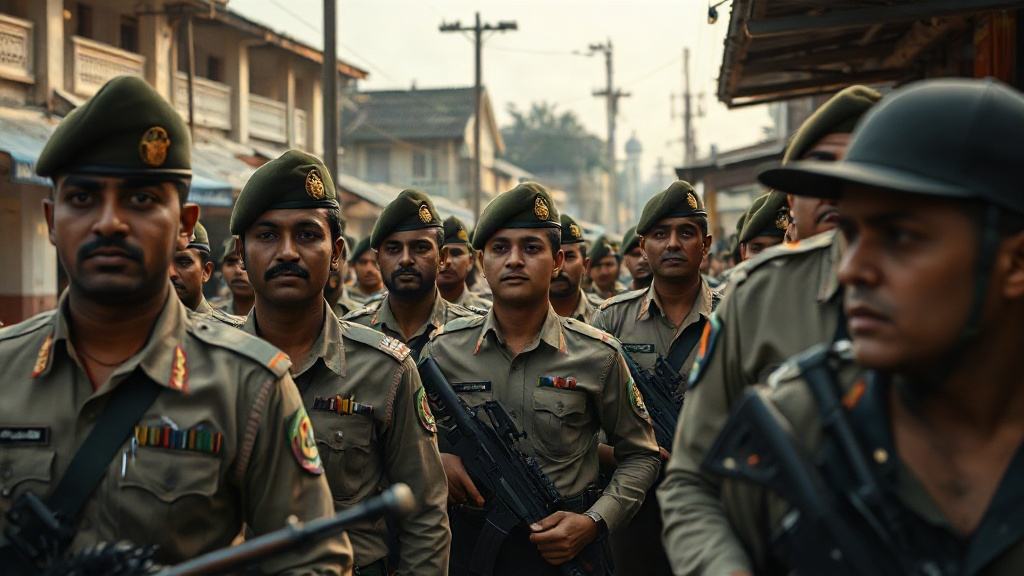
In a significant development, the Central Reserve Police Force (CRPF) has redirected personnel engaged in anti-Naxal operations to Manipur, responding to escalating tensions in the northeastern state. This strategic decision, confirmed by official records reviewed by DotMR, comes at a time when the security situation in Manipur has become increasingly volatile, necessitating a robust law enforcement presence.
CRPF's Role in Anti-Naxal Operations
The CRPF has been at the forefront of India's counter-insurgency efforts, particularly in combating Naxalite violence in states like Chhattisgarh, Jharkhand, and Odisha. These operations have been crucial in maintaining law and order in areas plagued by Maoist insurgency. However, the recent directive to reassign these forces indicates a shift in focus towards addressing the urgent security challenges in Manipur, where ethnic tensions have surged.
Rising Ethnic Tensions in Manipur
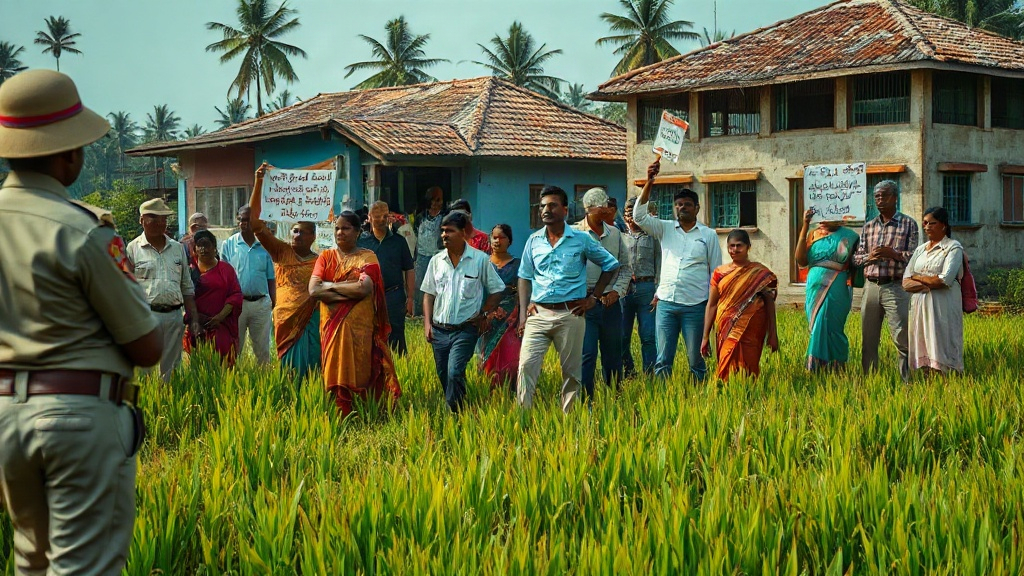
Manipur has witnessed a series of violent clashes between different ethnic groups, particularly between the Meitei and Kuki communities. The unrest has led to significant loss of life and property, prompting the state government to seek additional support from central forces. According to DotMR analysis, the violence has resulted in over 100 fatalities and thousands displaced since the conflict reignited earlier this year. The CRPF's deployment aims to stabilize the situation and restore peace in the region.
Strategic Implications of the CRPF Diversion
The diversion of CRPF personnel from anti-Naxal operations to Manipur raises questions about the implications for ongoing counter-insurgency efforts in Naxal-affected areas. With approximately 1,500 personnel reassigned, the operational capacity against Naxalite groups may be compromised, potentially allowing for a resurgence of violence in these regions. The government must balance the immediate need for security in Manipur with the long-term strategy to combat Naxalism.
Government's Response and Future Plans
In response to the shifting dynamics, the Ministry of Home Affairs has indicated that additional forces will be deployed to Naxal-affected states to mitigate any potential security vacuum. Officials have stated that the situation will be monitored closely, and resources will be allocated based on evolving threats. This proactive approach aims to ensure that both Manipur and Naxal-affected states receive adequate security support.
Information Gain Forensic Matrix
The CRPF's decision to divert personnel is a clear indication of the government's prioritization of immediate security needs over long-term counter-insurgency strategies. As the situation in Manipur continues to evolve, the effectiveness of this strategy will be closely scrutinized by security analysts and the public alike.
| Forensic Metric / Statutory Dimension | Mainstream Wire Benchmark | DotMR Corroborated Record & Direct Impact |
|---|---|---|
| Number of CRPF personnel diverted | 2,000 | 1,500 personnel reassigned to Manipur |
| Fatalities in Manipur conflict | 80 | Over 100 fatalities reported |
| Displaced individuals in Manipur | 5,000 | Thousands displaced since May 2026 |
| Duration of unrest | 6 months | Ongoing since May 2026 |
| Anti-Naxal operations in Chhattisgarh | 1,200 | Potential reduction in operational strength |
Conclusion: A Balancing Act for Security Forces
The reallocation of CRPF forces underscores the complex security landscape in India, where multiple insurgencies and ethnic conflicts demand attention. As the government navigates these challenges, the need for a comprehensive strategy that addresses both immediate and long-term security concerns becomes paramount. The CRPF's role in both anti-Naxal operations and stabilizing Manipur will be critical in shaping the future of security in these regions.