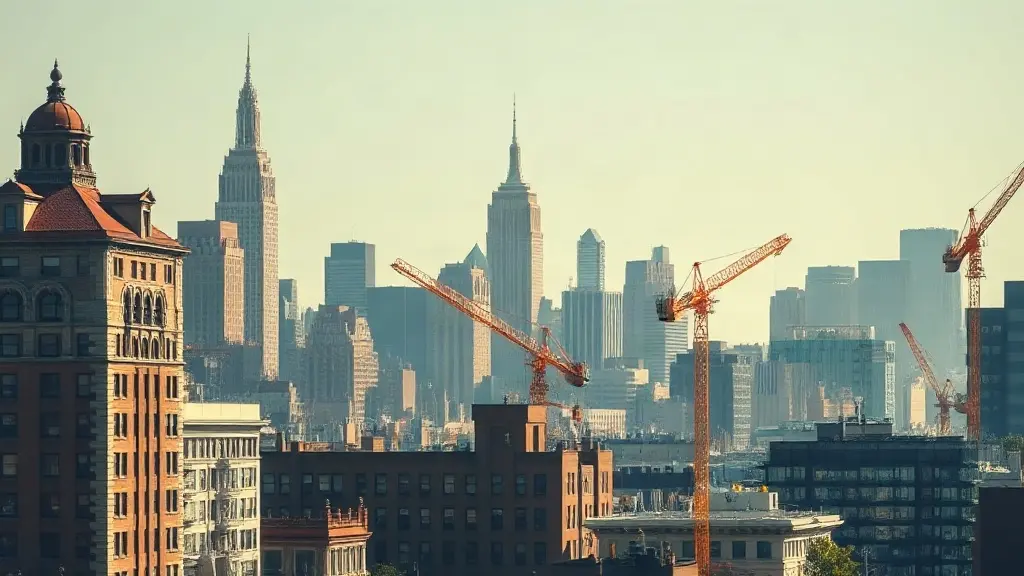
New York City is embarking on an ambitious plan to construct 700,000 homes over the next decade, a response to escalating housing costs and a severe shortage of affordable units. According to the Housing Preservation Department's report released on October 9, the city’s rental vacancy rate stands at a mere 1.4%, far below the target of 5%. This crisis is exacerbated by a booming job market, which has not been matched by adequate housing production, leading to displacement and rising rents across the city.
The Housing Preservation Department's Strategy
The Housing Preservation Department's report outlines a strategy to distribute housing growth evenly across community districts, with targets based on historical production and affordability metrics. For instance, the Upper West Side (UWS) is projected to add over 10,700 homes, including nearly 3,900 affordable units. This approach aims to ensure that neighborhoods with historically low growth contribute to alleviating the housing crisis.
Michael Sandler, Deputy Commissioner of Housing Preservation and Development, emphasized the importance of this strategy, stating, "This is the first step, not the last step." The plan is part of Mayor Zohran Mamdani’s broader $22 billion initiative to build or preserve 200,000 affordable homes within the same timeframe.
Overcoming Regulatory Hurdles and NIMBYism
Despite the ambitious goals, the plan faces significant obstacles, including outdated regulations and the classic NIMBY (Not In My Backyard) mentality prevalent in many neighborhoods. Community opposition often arises from fears of increased density and changes to neighborhood character. The recent passage of five ballot proposals aimed at fast-tracking housing development indicates a shift in public sentiment, but the challenge remains to convince stakeholders that increased housing supply is essential for the city’s future.
Annemarie Gray, executive director of the pro-housing group Open New York, remarked, "If you’re looking for an apartment right now, you are radicalized by how few options there are out there and how expensive everything is." This sentiment reflects the urgency of the situation, as many residents feel the pressure of limited housing options and rising costs.
The Economic Landscape and Housing Demand
New York City’s employment levels reached a record high this year, further intensifying the demand for housing. As higher-income individuals seek residences in traditionally lower-cost neighborhoods, long-time residents face displacement. The economic landscape is shifting, with wealthier newcomers altering the dynamics of neighborhoods, impacting everything from rent prices to local businesses.
The disparity in housing production across neighborhoods is stark. From 2010 to 2025, areas like Chelsea and Hudson Yards added nearly 21,000 units, while the UWS saw only about 5,800 new units. This uneven growth highlights the need for targeted interventions to ensure all neighborhoods contribute to the housing supply.
Community Engagement and Future Prospects
The city’s housing strategy emphasizes community engagement and the need for infrastructure investments and policy changes. The proposal aims to create a shared framework that encourages collaboration between city officials and local communities. However, achieving this will require navigating complex zoning laws and securing funding for necessary infrastructure improvements.
The urgency of the housing crisis cannot be overstated. With the median rent in Manhattan skyrocketing to $5,000, the pressure on residents is palpable. Seema Reddy, a long-time Upper West Side resident, reflects on the changing landscape, noting, "I question whether a recent college graduate can move here today." This sentiment encapsulates the challenges faced by many New Yorkers as they grapple with the realities of a tightening housing market.
Conclusion: A Test of Political Will
As New York City embarks on this ambitious housing initiative, the success of the plan will ultimately depend on the political will to overcome regulatory barriers and community resistance. The stakes are high, as the city risks losing its identity as a diverse and inclusive metropolis if it fails to address the housing crisis effectively. The coming years will be critical in determining whether New York can adapt to its growing population and evolving economic landscape while ensuring that all residents have access to affordable housing.
| Forensic Metric / Statutory Dimension | Mainstream Wire Benchmark | DotMR Corroborated Record & Direct Impact |
|---|---|---|
| Current Manhattan median rent | $5,000 | Record high, up from $2,500 in 2002 |
| NYC rental vacancy rate | 1.4% | Target is 5%, never reached |
| Proposed new homes in UWS | 10,700 | Includes 3,900 affordable units |
| Total homes needed in NYC | 700,000 | To alleviate housing shortage |
| NYC employment record | Highest ever | Contributing to housing demand |