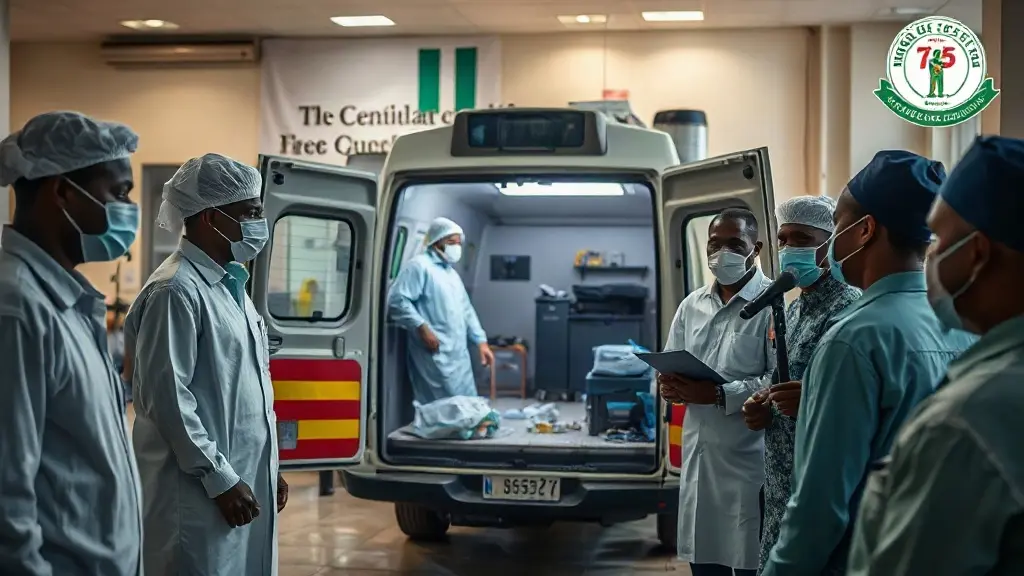
Nigerian health authorities have successfully concluded a 21-day monitoring period for 62 individuals who were in contact with the country's first confirmed Ebola case in over a decade. The monitoring, which began after the initial case was identified on October 20, 2026, revealed that none of the contacts developed the disease, although 13 reported experiencing fever or other non-specific symptoms. The Nigeria Centre for Disease Control and Prevention (NCDC) announced the completion of this monitoring on November 11, 2026, marking a significant milestone in the country's response to the Ebola outbreak.
Initial Case and Response from Health Authorities
The Ebola outbreak in Nigeria was triggered by a Swiss woman who traveled to Uganda and subsequently returned to Nigeria, where she was diagnosed with the virus. Following her diagnosis, both she and her husband were evacuated to Switzerland for treatment. The woman has since recovered and been discharged from the hospital. The swift response from the NCDC included identifying and monitoring 62 individuals who had contact with the patient, a crucial step in preventing further transmission of the virus.
The NCDC's monitoring period lasted for 21 days, which is the standard time frame for observing potential symptoms of Ebola following exposure. During this time, health officials conducted regular check-ups on the contacts to ensure that any signs of the virus were promptly addressed. The agency reported that while 13 individuals exhibited fever, all tested negative for the Ebola virus, providing a sigh of relief for health officials and the public alike.
Understanding Ebola Transmission and Monitoring Protocols
Ebola is a highly contagious virus that spreads through direct contact with the bodily fluids of an infected person, including blood, vomit, and other secretions. It can also be transmitted through contact with contaminated materials, such as bedding and clothing. Given the severity of the disease, the NCDC's rigorous monitoring protocols are critical in containing outbreaks.
According to World Health Organization (WHO) guidelines, a country must complete a full 42-day countdown from the recovery or departure of the last confirmed patient before declaring an official end to an outbreak. While the completion of the 21-day monitoring period is a positive development, the NCDC has emphasized that it does not signify the end of the outbreak. The agency continues to monitor the situation closely, especially given the ongoing Ebola outbreak in the Democratic Republic of the Congo (DRC).
Broader Context: Ebola Outbreaks in the Region
The current outbreak in Nigeria is part of a larger epidemic that has been affecting multiple countries in the region. The DRC has been grappling with the second-largest Ebola outbreak on record, which began in May 2026. This outbreak has resulted in over 11,000 infections and more than 5,000 deaths, according to government data. The virus has also spread to neighboring countries, including Uganda, France, and Kenya, raising concerns about regional health security.
In Nigeria, the NCDC has investigated seven Ebola alerts across five states in the past three weeks, all of which tested negative. This proactive approach is essential in ensuring that any potential cases are identified and managed swiftly, thereby preventing further spread of the virus.
Future Implications and Preparedness
As Nigeria navigates this latest Ebola scare, health officials are reminded of the importance of preparedness and rapid response in managing infectious diseases. The NCDC's effective monitoring and response strategies have played a pivotal role in controlling the situation thus far. However, the agency has reiterated that vigilance is necessary, as the threat of Ebola remains, particularly with the ongoing outbreak in the DRC.
The absence of approved treatments or vaccines for the Bundibugyo strain of the virus, which is responsible for the current outbreak, underscores the need for continued research and development in the field of infectious diseases. Health authorities are also urged to strengthen their surveillance systems and public health infrastructure to better respond to future outbreaks.
Conclusion: A Cautious Optimism
While the successful conclusion of the 21-day monitoring period is a cause for cautious optimism, health officials and the public must remain vigilant. The NCDC's ongoing commitment to monitoring and preparedness will be crucial in ensuring that Nigeria remains free from further Ebola infections. As the country reflects on this recent experience, it serves as a reminder of the importance of public health readiness in the face of emerging infectious diseases.
| Forensic Metric / Statutory Dimension | Mainstream Wire Benchmark | DotMR Corroborated Record & Direct Impact |
|---|---|---|
| Initial case confirmed | October 20, 2026 | First case in over a decade |
| Contacts monitored | 62 | No secondary infections reported |
| Fever reported | 13 | All tested negative for Ebola |
| Monitoring period | 21 days | Completed on November 11, 2026 |
| DRC outbreak statistics | 11,000 infected | Over 5,000 deaths reported |