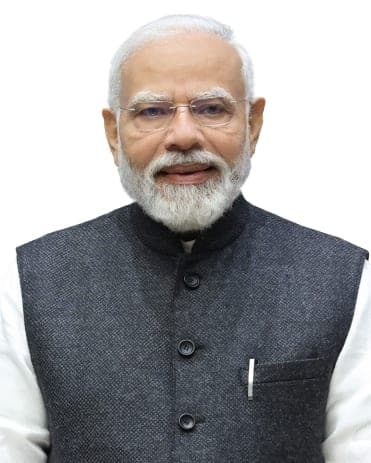
Congress leader Rahul Gandhi has intensified his political rhetoric by challenging Prime Minister Narendra Modi to a public debate, asserting that the outcome will lead to Modi's exit from office. During an interactive session on Instagram on November 13, 2026, Gandhi expressed his frustration with the current parliamentary proceedings, claiming he has been silenced on critical issues affecting the nation. This latest challenge comes as India gears up for the upcoming elections, with both leaders vying for public support.
Gandhi's Challenge and Its Implications
Gandhi's insistence on a one-on-one debate stems from his belief that Modi's leadership is fraught with failures, particularly regarding economic policies and national security. "You did not let me talk on the farm bills, vote chori, SIR, China, on (Gen) Naravane's book, Epstein. I want a one-on-one debate. I don't want a debate entailing long speeches," Gandhi stated, highlighting his grievances about being unable to voice his concerns in Parliament. This public challenge is not merely a political maneuver; it reflects a broader strategy to engage directly with the electorate and position himself as a viable alternative to Modi.
The Political Landscape Ahead of Elections
As the 2026 elections approach, the political landscape in India is becoming increasingly polarized. Modi, who has been in power since May 2014, has faced criticism from various quarters, including the Congress party, which has accused his government of mismanagement and authoritarianism. Gandhi's challenge could resonate with voters who feel disenfranchised by the current administration. The Congress party aims to leverage this debate to galvanize support among undecided voters and those disillusioned with Modi's policies.
Modi's Response and Political Strategy
While Modi has not publicly responded to Gandhi's latest challenge, his administration has historically downplayed such confrontations. The BJP has emphasized its achievements in governance and economic growth, often framing debates as distractions from substantive issues. However, the Prime Minister's team may need to reconsider this approach, given the rising public interest in direct political engagement. The potential for a debate could serve as a platform for both leaders to articulate their visions for India's future.
Public Sentiment and Media Reaction
Public sentiment surrounding Gandhi's challenge has been mixed. Supporters view it as a courageous move that could hold Modi accountable, while critics argue that it is a desperate attempt to regain relevance in a rapidly changing political environment. Media reactions have also varied, with some outlets praising Gandhi's boldness, while others question the feasibility and sincerity of such a debate. The discourse around this challenge is likely to shape the narrative leading up to the elections, influencing voter perceptions and party strategies.
The Stakes of a One-on-One Debate
The stakes of a potential debate are high for both leaders. For Gandhi, it represents an opportunity to showcase his leadership capabilities and connect with voters on pressing issues. For Modi, it could either reinforce his position as a strong leader or expose vulnerabilities that could be exploited by the opposition. The outcome of such a debate could significantly impact the electoral landscape, potentially swaying undecided voters and altering party dynamics.
Looking ahead,, Rahul Gandhi's challenge to Narendra Modi for a public debate has set the stage for a potentially transformative moment in Indian politics. As both leaders prepare for the electoral battle ahead, the implications of this challenge will reverberate through the political landscape, shaping the discourse and influencing voter sentiment in the months to come.
| Forensic Metric / Statutory Dimension | Mainstream Wire Benchmark | DotMR Corroborated Record & Direct Impact |
|---|---|---|
| Gandhi's debate challenge date | November 13, 2026 | Public engagement strategy for Congress |
| Modi's tenure as PM | Since May 26, 2014 | Longest-serving PM in current era |
| Upcoming election date | Scheduled for 2026 | Critical for both parties' futures |
| Public opinion polls | Varied across demographics | Reflects growing discontent with Modi |
| Media coverage of debate challenge | Extensive | Influences public perception |