Tensions Rise Ahead of the Victorian Election
As the Victorian state election approaches on November 28, 2026, tensions between the Labor Party and the Greens have escalated dramatically. Both parties are accusing each other of striking ‘dodgy deals’ that could inadvertently pave the way for a Liberal-One Nation coalition to gain power. This conflict centers around preference allocations, particularly in key electorates where both parties are vying for voter support.
The Greens have taken a significant step by deciding not to direct preferences to Labor in 15 electorates across the state. This decision comes in retaliation to Labor’s announcement that it would run an open ticket in the inner-city seat of Prahran, a crucial area for the Greens, which they lost in a byelection in 2025. The seat, previously held by the Liberals, has a narrow margin of just 1.3%, making it a hotly contested battleground.
The Accusations Fly
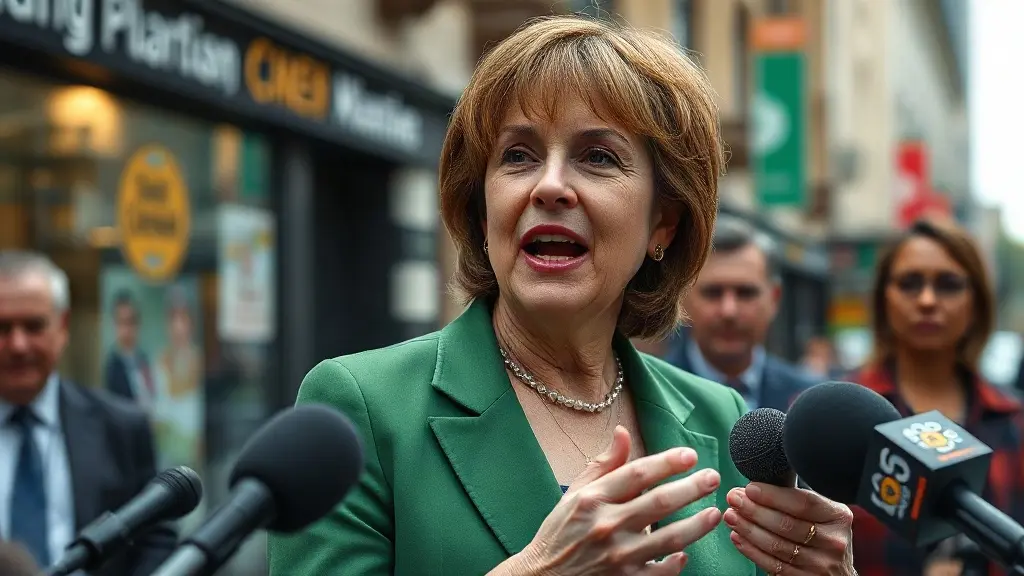
Greens leader Ellen Sandell has been vocal about her party's stance, labeling Labor's decision as “unforgivable.” She argues that this move could hand the election to the Liberal Party and One Nation, undermining progressive values in Victoria. Sandell stated, "Labor’s decision to run an open ticket in Prahran is a betrayal of voters who expect us to work together against the right-wing forces."
In response, a Labor spokesperson mirrored Sandell’s language, accusing the Greens of making a “dodgy deal” that could lead to the election of a Liberal-One Nation government. The spokesperson emphasized, "This is unforgivable, and Victorians won’t forget that it’s Ellen Sandell and the Greens to blame when Jess Wilson cuts our hospitals and schools."
The back-and-forth has intensified, with both parties trading barbs over their commitment to progressive policies and the potential consequences of their electoral strategies. The Greens have firmly stated that they will be putting One Nation last in every electorate, reinforcing their commitment to progressive values.
Key Electorates at Stake
The 15 electorates where the Greens will not direct preferences to Labor include Albert Park, Ashwood, Bellarine, Bendigo East, Bendigo West, Essendon, Euroa, Gippsland East, Mildura, Mornington, Point Cook, Polwarth, South Barwon, Tarneit, and Werribee. These areas are critical for both parties, and the decision not to support Labor could significantly impact their chances of winning.
Labor is particularly concerned about the implications of this decision in electorates like Albert Park and Ashwood, where they have strong support but face stiff competition from the Coalition. The two Bendigo seats, vacated by former premier Jacinta Allan and speaker Maree Edwards, are also under threat as the Greens aim to capitalize on Labor's internal strife.
Coalition's Strategic Positioning
While Labor and the Greens are embroiled in their conflict, the Coalition is quietly optimistic about its prospects. Liberal strategist Tony Barry, a pollster with Redbridge, noted that the Coalition believes it can improve its chances of retaining seats and potentially snatching others from Labor. Barry pointed out that many Greens voters do not closely follow how-to-vote cards, which could lead to unexpected outcomes in the election.
The Coalition's confidence is bolstered by the perception that the ongoing feud between Labor and the Greens could alienate progressive voters, thereby opening the door for a stronger showing from the right. Barry stated, "The more the Greens and Labor fight, the more it distracts voters from the real issues at stake."
The Broader Implications for Victorian Politics
The fallout from this preference squabble extends beyond the immediate election. Analysts suggest that the ongoing tensions could reshape the political landscape in Victoria, particularly if the Liberal Party and One Nation manage to capitalize on the divisions between Labor and the Greens. The potential for a right-wing coalition to gain power raises concerns about the future of progressive policies in the state.
As the election date approaches, voters are left to navigate the complexities of party alliances and preferences. The stakes are high, and the outcome could have lasting implications for governance in Victoria. With both Labor and the Greens accusing each other of betrayal, the question remains: will voters rally behind their preferred parties, or will the internal conflicts lead to a shift in power?
| Forensic Metric / Statutory Dimension | Mainstream Wire Benchmark | DotMR Corroborated Record & Direct Impact |
|---|---|---|
| Number of electorates affected | 15 | 15 |
| Margin in Prahran | 1.3% | 1.3% |
| Date of election | November 28, 2026 | November 28, 2026 |
| Accusations exchanged | 2 | 2 |
| Voter sentiment impact | TBD | TBD |