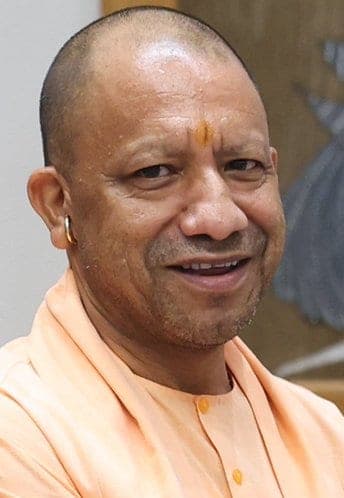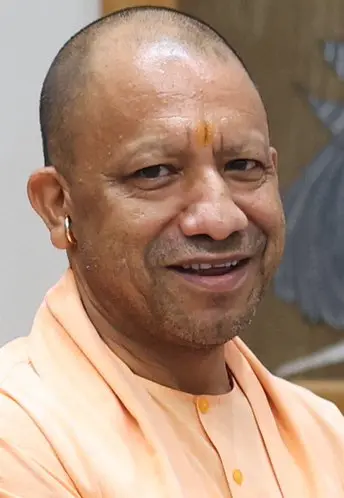
In a politically charged atmosphere just months before the Uttar Pradesh Assembly elections, Chief Minister Yogi Adityanath has made a bold assertion regarding the state's electoral rolls. Speaking at a recent BJP State Executive Committee meeting in Lucknow, Adityanath claimed that nearly 1.27 crore (12.7 million) Hindu voters are missing from the electoral rolls, a statement that has raised eyebrows among political observers and party members alike. This claim, coupled with the backdrop of the BJP's internal dynamics, particularly the tension between the party organization and the bureaucracy, has significant implications for the upcoming elections.
Adityanath's Economic Assurance and Political Strategy
Adityanath's remarks come at a time when he is positioning himself as a strong leader capable of managing the state's economy. He emphasized that Uttar Pradesh boasts the third-largest state economy in India, with sufficient reserves to pay every government employee for a year without requiring them to work. This statement appears to serve a dual purpose: to instill confidence among the electorate and to motivate the grassroots administrative cadre to actively engage in political initiatives.
Political analysts suggest that this economic assurance is a strategic move to consolidate support within the party ranks and among the electorate. By highlighting the state's financial stability, Adityanath aims to counter any dissent within the party and reinforce the BJP's image as a competent governing body.
The Sangathan Sarvopari Doctrine and Internal Tensions
The phrase 'Sangathan Sarvopari' (Organization is Supreme) has emerged as a rallying cry among certain factions within the BJP, particularly in the context of the upcoming elections. However, this slogan has also sparked a backlash, with many party members cautioning against its use in Lucknow, where the party's central leadership resides. This internal conflict underscores the ongoing struggle between the party's organizational structure and the bureaucratic apparatus that supports it.
Adityanath's comments about the missing Hindu voters have intensified this struggle, as they suggest a disconnect between the party's grassroots efforts and the bureaucratic processes that govern electoral rolls. The Chief Minister's assertion that the state has filed a plea with the Election Commission of India regarding these missing voters indicates a proactive approach to addressing potential electoral challenges. However, it also raises questions about the effectiveness of the party's organizational strategies in mobilizing support.
Implications for the Upcoming Elections
As the Assembly elections approach, the BJP faces a critical juncture. Adityanath's claims and the internal dynamics within the party could significantly influence voter sentiment. The assertion of 12.7 million missing voters, if substantiated, could galvanize support among Hindu voters who feel disenfranchised. Conversely, it could also alienate those who perceive the party's leadership as out of touch with the realities on the ground.
The timing of these statements is crucial. With elections just four months away, the BJP must navigate these internal tensions while simultaneously addressing the concerns of its voter base. The party's ability to effectively communicate its achievements and address the grievances raised by Adityanath will be pivotal in shaping the electoral landscape.
The Role of Bureaucracy in Electoral Processes
The relationship between the BJP and the bureaucracy has long been a topic of discussion in Uttar Pradesh politics. Adityanath's recent comments highlight the ongoing friction between party operatives and bureaucratic officials. The Chief Minister's assertion that a significant number of Hindu voters are missing from the rolls suggests a failure in the bureaucratic processes that manage electoral registrations.
This situation raises critical questions about the accountability of the bureaucracy and its role in facilitating or hindering the electoral process. As the BJP seeks to solidify its position in Uttar Pradesh, addressing these bureaucratic challenges will be essential to ensuring a fair and transparent electoral process.
As the political landscape evolves in Uttar Pradesh, the interplay between Adityanath's leadership, the BJP's organizational strategies, and the bureaucratic framework will be closely scrutinized. The upcoming elections will serve as a litmus test for the party's ability to navigate these challenges and maintain its dominance in one of India's most politically significant states.
| Forensic Metric / Statutory Dimension | Mainstream Wire Benchmark | DotMR Corroborated Record & Direct Impact |
|---|---|---|
| Number of missing Hindu voters | 12.7 million | Adityanath's claim, pending verification |
| State economy ranking | 3rd largest | Adityanath's assertion on economic strength |
| Government employee payment capability | 1 year | Adityanath's claim on reserves |
| Upcoming election date | March 2027 | Assembly elections in Uttar Pradesh |