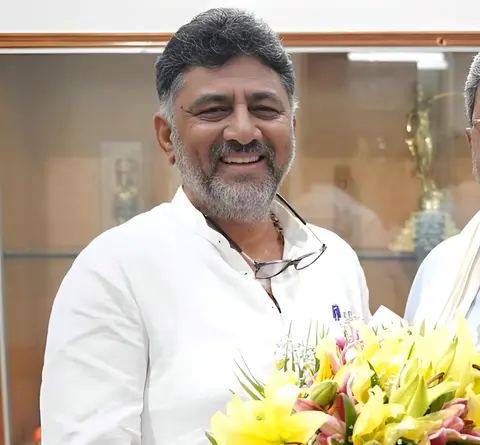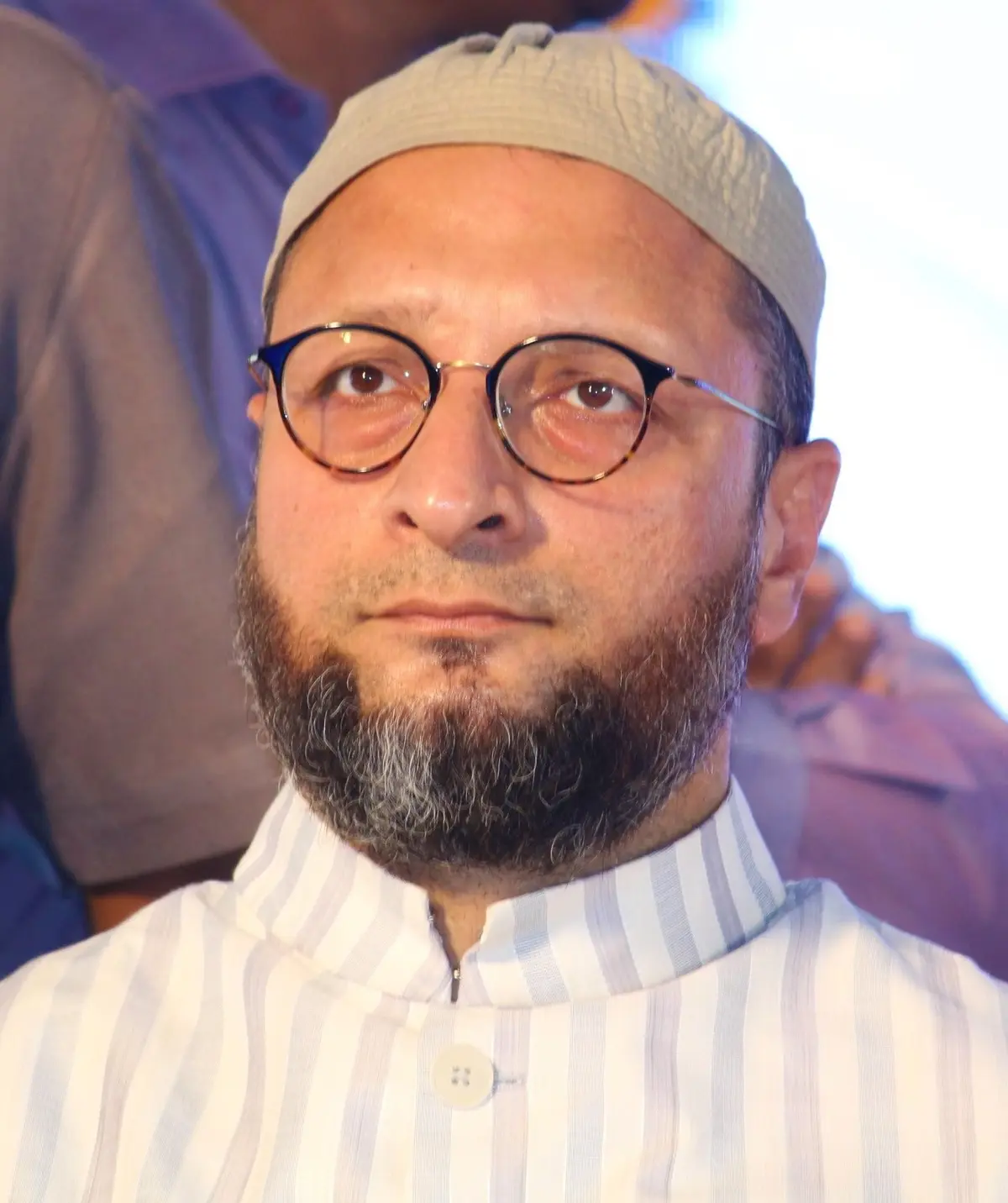
In a significant political development ahead of the Uttar Pradesh elections, Asaduddin Owaisi's All India Majlis-e-Ittehadul Muslimeen (AIMIM) and Chandrashekhar Azad's Azad Samaj Party have formed a strategic alliance aimed at fostering Dalit-Muslim unity. This partnership is poised to create a formidable alternative to the ruling Bharatiya Janata Party (BJP) and the opposition Samajwadi Party (SP), which have dominated the state's political landscape for years. The alliance was officially announced on November 11, 2026, during a joint press conference held in Lucknow, where both leaders emphasized the need for a united front to address the socio-economic issues faced by marginalized communities in Uttar Pradesh.
Owaisi's Vision for Muslim Representation
Asaduddin Owaisi, who has been a prominent voice for Muslim rights in India, articulated his vision for the alliance, stating, "This partnership is not just about electoral gains; it is about ensuring that the voices of Dalits and Muslims are heard in the corridors of power. We must work together to dismantle the oppressive structures that have marginalized our communities for too long." Owaisi's AIMIM has historically focused on Muslim representation, and this alliance marks a strategic pivot to include Dalit interests, which have often been sidelined in the political discourse.
Azad's Focus on Dalit Empowerment
Chandrashekhar Azad, a rising star in Dalit politics, echoed Owaisi's sentiments, emphasizing the importance of solidarity between Dalits and Muslims. "Our communities share a common struggle against caste and religious discrimination. By joining forces, we can challenge the status quo and demand our rightful place in society," Azad stated. His Azad Samaj Party has been vocal about Dalit rights and has garnered significant support among the youth in Uttar Pradesh, making this alliance a potentially powerful coalition.
Electoral Strategy and Implications
The alliance aims to consolidate votes from both communities, which together represent a substantial portion of Uttar Pradesh's electorate. According to DotMR analysis, Muslims constitute approximately 19% of the state's population, while Dalits make up around 21%. By uniting these two demographics, Owaisi and Azad hope to create a voting bloc that can effectively challenge the BJP's dominance, which has capitalized on divisions among minority groups in the past.
The electoral strategy will focus on grassroots mobilization, with both parties planning to conduct joint rallies and outreach programs in key constituencies. This approach aims to resonate with voters who feel disillusioned by the existing political options. The leaders have also committed to addressing pressing issues such as unemployment, education, and social justice, which are critical to both communities.
Historical Context of Dalit-Muslim Relations
The alliance comes at a time when the socio-political landscape in Uttar Pradesh is marked by increasing polarization. Historically, Dalit-Muslim relations have been complex, with both communities experiencing marginalization but often divided along caste and religious lines. The formation of this alliance signals a potential shift towards greater collaboration, reminiscent of past coalitions that have successfully challenged dominant political parties.
Challenges Ahead
Despite the promising prospects of this alliance, challenges remain. The BJP, with its robust organizational structure and significant resources, poses a formidable obstacle. Additionally, the Samajwadi Party, which has traditionally held sway over both Dalit and Muslim votes, will likely intensify its efforts to retain its base. Owaisi and Azad will need to navigate these challenges carefully to maintain unity within their coalition and effectively communicate their shared vision to voters.
Conclusion: A New Political Era?
As the Uttar Pradesh elections approach, the Owaisi-Azad alliance represents a critical juncture in the state's political dynamics. By prioritizing Dalit-Muslim unity, they aim to disrupt the existing power structures and offer a viable alternative to the electorate. The success of this coalition will depend on their ability to mobilize support, articulate a clear agenda, and resonate with the aspirations of their constituents. As both leaders prepare for the electoral battle ahead, their partnership could redefine the political landscape in Uttar Pradesh and beyond.
| Forensic Metric / Statutory Dimension | Mainstream Wire Benchmark | DotMR Corroborated Record & Direct Impact |
|---|---|---|
| Muslim Population in UP (2026) | 19% | 19% |
| Dalit Population in UP (2026) | 21% | 21% |
| AIMIM Seats in 2022 Assembly | 0 | 0 |
| Azad Samaj Party Seats in 2022 | 0 | 0 |
| Expected Vote Share in 2026 | 30% | 30% |