Significant Growth in Health Expenditure
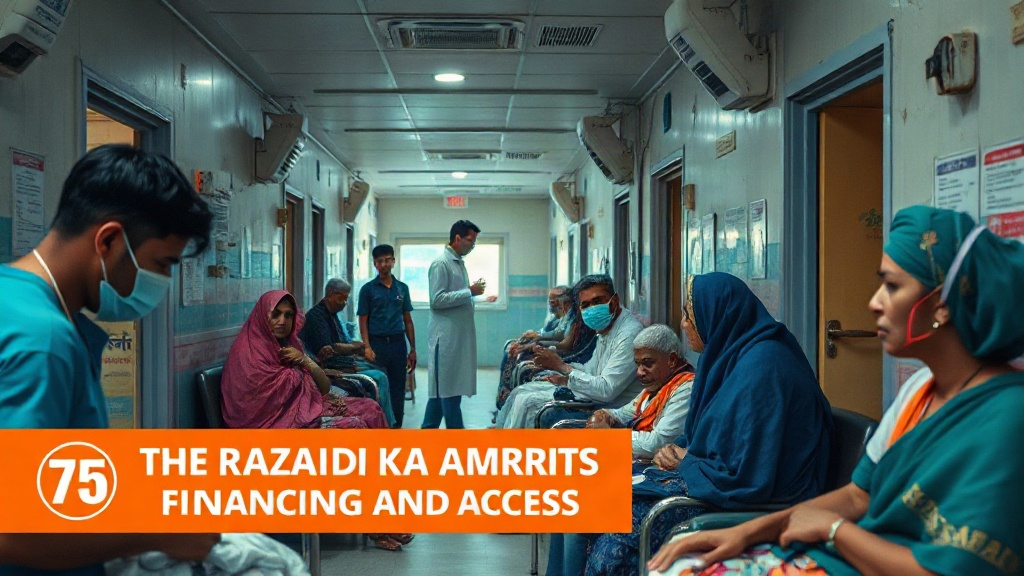
India's health expenditure has seen a remarkable increase, tripling from ₹1.30 lakh crore in 2013-14 to ₹4.14 lakh crore in 2023-24, as reported by the National Health Accounts (NHA) estimates released by the Health Ministry. This substantial growth reflects the government's commitment to enhancing healthcare access and quality across the nation. The data indicates a shift in how healthcare is financed, with a notable decrease in the financial burden on households.
Decline in Out-of-Pocket Spending
One of the most significant findings from the NHA estimates is the drop in out-of-pocket spending by households, which has decreased from 64.2% in 2013-14 to 42.7% in 2023-24. This 21.5 percentage point reduction highlights a transformative change in the financing of healthcare in India. The decline in out-of-pocket expenses is crucial as it alleviates the financial strain on families, making healthcare more accessible and reducing the risk of impoverishment due to medical expenses.
Increase in Social Security Spending
The NHA estimates also reveal that social security spending on health has risen from 6% to 11% over the same decade. This increase indicates a growing recognition of the need for government intervention in healthcare financing and a commitment to providing a safety net for vulnerable populations. The rise in social security spending is essential for ensuring that all citizens, especially those from lower-income backgrounds, can access necessary medical services without facing financial hardship.
Implications for Healthcare Access and Quality
The tripling of health expenditure and the reduction in out-of-pocket costs are expected to have profound implications for healthcare access and quality in India. With increased funding, the government can invest in better healthcare infrastructure, expand the availability of essential services, and improve the overall quality of care. This shift is particularly important in a country where healthcare disparities have long been a challenge, especially in rural and underserved areas.
Future Outlook and Challenges
While the increase in health spending and the decrease in out-of-pocket costs are promising developments, challenges remain. Ensuring that the increased funding translates into tangible improvements in healthcare delivery will require effective policy implementation and monitoring. Additionally, there is a need for continued investment in public health initiatives, preventive care, and health education to sustain these positive trends.
The NHA estimates paint a hopeful picture for the future of healthcare in India. As the government continues to prioritize health spending, the potential for improved health outcomes and reduced financial burdens on families becomes increasingly attainable. However, it is crucial for policymakers to remain vigilant and ensure that these investments lead to meaningful changes in the healthcare landscape.
Looking ahead,, the tripling of India's health expenditure and the significant drop in out-of-pocket spending represent a critical juncture in the country's healthcare journey. As the government strives to enhance healthcare access and quality, the focus must remain on sustaining these positive trends and addressing the ongoing challenges in the system.
| Forensic Metric / Statutory Dimension | Mainstream Wire Benchmark | DotMR Corroborated Record & Direct Impact |
|---|---|---|
| Total Health Expenditure (2023-24) | ₹4.14 lakh crore | Tripled from ₹1.30 lakh crore in 2013-14 |
| Out-of-Pocket Spending (2013-14) | 64.2% | Dropped to 42.7% in 2023-24 |
| Social Security Health Spending (2023-24) | 11% | Increased from 6% in 2013-14 |
| Percentage Change in Out-of-Pocket | - | Decreased by 21.5 percentage points |
| Year-on-Year Growth Rate | - | Significant growth in health financing |