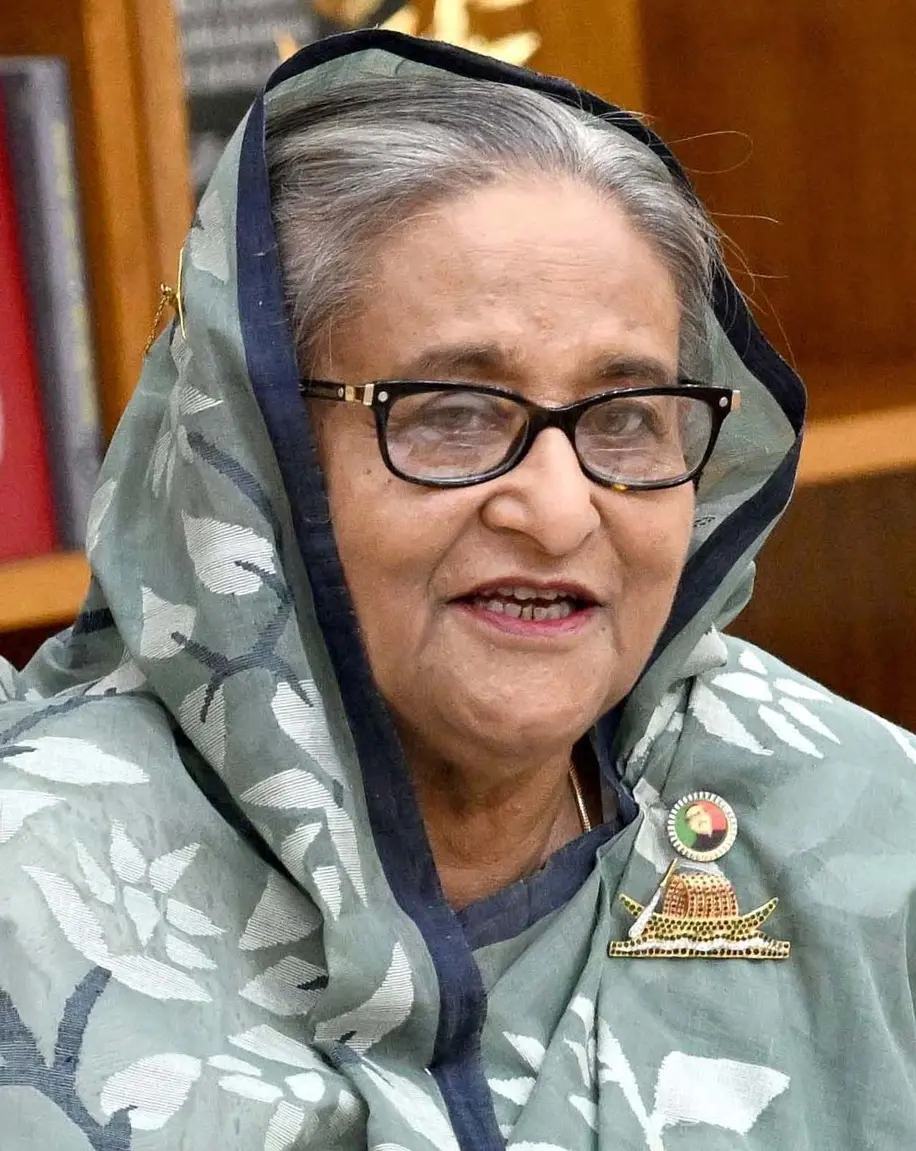
Former [Prime Minister](/prime-minister-celebrates-crpfs-historic-zero-casualty-milestone-3) of Bangladesh, Sheikh Hasina, has formally requested a new passport and national identity card as she prepares for a potential return to her home country in December 2026. Hasina, who has been living in self-imposed exile in India since fleeing Bangladesh in August 2024, is facing a death sentence for crimes against humanity, a conviction handed down by the International Crimes Tribunal in November 2025. This request comes amid escalating demands from the Bangladeshi government for her extradition under a treaty with India.
Hasina's Legal Maneuvers and Extradition Treaty Context
Hasina's legal team submitted a letter to Preeti Rahman, the acting high commissioner at Bangladesh's embassy in Delhi, requesting the issuance of a new passport and national identity card. The letter emphasized the urgency of the request, citing the reported revocation of her existing documents by the Interim Government of Bangladesh. According to her lawyers at Matrix Chambers, the application should be processed swiftly based on her Bangladeshi nationality and international human rights obligations.
The extradition request, which has been a point of contention between Bangladesh and India, was reiterated by Bangladesh’s Law Minister, Md Asaduzzaman. He stated, "To me, she is a criminal. A criminal convicted by our tribunal. To us, this is her identity." This statement underscores the serious legal implications surrounding Hasina's potential return and the political climate in Bangladesh, where her party, the Awami League, has faced significant challenges since her departure.
The Charges Against Hasina and Political Fallout
The International Crimes Tribunal convicted Hasina of crimes against humanity related to the violent uprisings in July and August 2024, which led to her downfall. The tribunal's ruling has been controversial, with many supporters claiming it is politically motivated. The Awami League, once the dominant political party in Bangladesh, has seen its influence wane significantly, with many of its leaders either imprisoned or in exile.
In her absence, the political landscape has shifted dramatically, leading to a crackdown on dissent and opposition parties. The current government, led by a coalition of parties, has been accused of using the judiciary to suppress political rivals, raising concerns about the integrity of the legal processes involved in Hasina's case.
Implications of Hasina's Return and Extradition
Should Hasina return to Bangladesh, the implications could be profound, not only for her but also for the political stability of the country. The extradition request has put India in a delicate position, as it must navigate its diplomatic relations with Bangladesh while considering the human rights implications of extraditing a leader facing serious charges.
The Ministry of Home Affairs in Bangladesh has stated that it will handle the extradition process according to the law, emphasizing that emotions will not guide their actions. This legalistic approach suggests a calculated strategy to ensure that any potential return of Hasina is managed within the framework of existing treaties and laws.
International Reactions and Human Rights Concerns
Internationally, Hasina's situation has drawn attention from human rights organizations, which have expressed concerns about the fairness of her trial and the potential for politically motivated persecution. The call for her extradition is seen by some as a test of Bangladesh's commitment to human rights and the rule of law.
As the situation unfolds, the response from the international community will likely play a crucial role in shaping the narrative surrounding Hasina's return. Observers are keenly watching how India will respond to the extradition request, particularly given its own legal and diplomatic principles regarding human rights.
As December approaches, the political landscape remains fraught with uncertainty. Hasina's potential return could ignite further unrest in Bangladesh, particularly among her supporters and political adversaries alike. The coming weeks will be critical in determining not only Hasina's fate but also the future of Bangladeshi politics.
In conclusion, Sheikh Hasina's request for a new passport and the ongoing extradition discussions highlight the complex interplay of law, politics, and human rights in South Asia. As the situation develops, it will be essential to monitor the responses from both the Bangladeshi and Indian governments, as well as the international community's stance on this contentious issue.
| Date | Event Description | Outcome/Impact |
|---|---|---|
| Aug 2024 | Hasina flees Bangladesh | Enters self-imposed exile in India |
| Nov 2025 | International Crimes Tribunal convicts Hasina | Sentenced to death |
| Nov 2026 | Hasina requests new passport | Preparations for potential return |
| Nov 2026 | Bangladesh demands extradition | Heightened diplomatic tensions |