In a significant development in West Bengal, Dilip Roy, a man accused of raping and murdering a minor, was killed in a police encounter early on November 9, 2026. This incident marks the fourth encounter death in the state since the Bharatiya Janata Party (BJP) assumed power in May 2026. The police had been searching for Roy for four days following the grim discovery of the victim's decomposed body in a forest near the Kulik river.
Timeline of Events Leading to the Encounter
The police's manhunt for Dilip Roy began after the body of a 14-year-old girl was found in a remote area of Uttar Dinajpur. The victim had been reported missing four days prior, prompting a widespread search in the region. On November 5, 2026, local authorities received a tip-off about the location of the body, which was subsequently recovered in a state that raised alarm among the community and law enforcement.
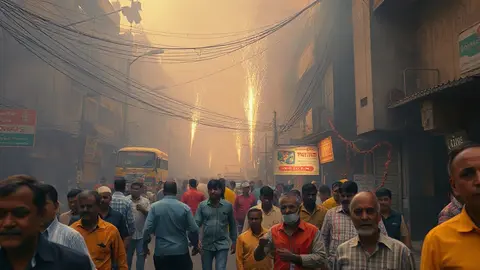
Following the recovery, the police intensified their efforts to locate Roy, who was believed to have fled the area. Reports indicate that he was last seen in a village in Raiganj, where he allegedly sought refuge among locals. The police, acting on intelligence, planned a raid to apprehend him.
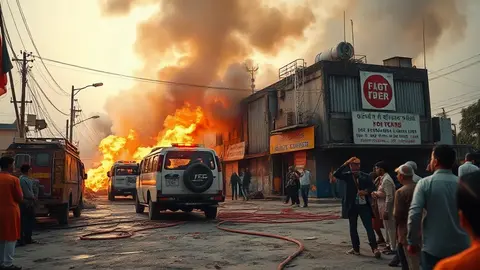
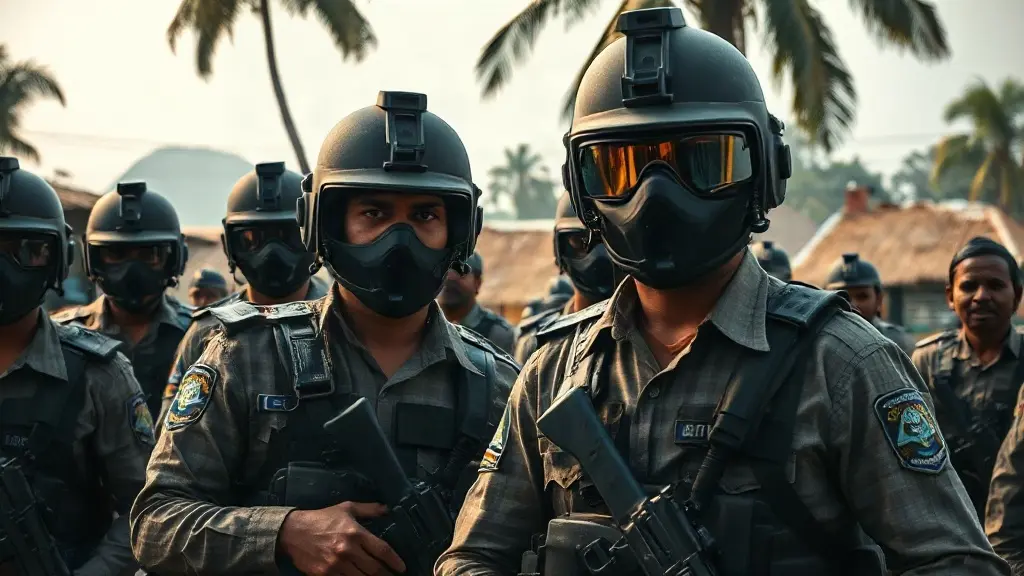
On the night of November 8, 2026, the police team approached the village where Roy was hiding. According to police reports, as they attempted to arrest him, Roy opened fire on the officers, prompting a retaliatory response. In the ensuing exchange, Roy sustained injuries and was transported to Raiganj Medical College and Hospital, where he was pronounced dead shortly after arrival.
The Context of Encounter Deaths in West Bengal
The killing of Dilip Roy has reignited discussions surrounding the controversial practice of police encounters in India, particularly in West Bengal. Since the BJP came to power, there have been increasing instances of such encounters, which critics argue undermine the rule of law and due process. The state has witnessed three other encounter deaths since May 2026, each raising eyebrows about the methods employed by law enforcement.
Human rights activists and legal experts have expressed concerns over the growing trend of extrajudicial killings, arguing that it reflects a systemic issue within the police force. They contend that encounters often bypass judicial processes and can lead to a culture of impunity among law enforcement officers.
Community Reactions and Implications
The community's reaction to Roy's death has been mixed. While some residents expressed relief at the swift action taken by the police, others voiced concerns about the implications of such encounters on justice and accountability. "We want justice for the girl, but we also want a fair trial for the accused," stated a local resident who wished to remain anonymous.
The incident has sparked protests and calls for accountability from various civil society organizations. Activists argue that the police should focus on thorough investigations rather than resorting to lethal force. The West Bengal government has yet to issue a formal statement regarding the encounter, but the incident is likely to fuel ongoing debates about law enforcement practices in the state.
Legal and Political Ramifications
The encounter death of Dilip Roy could have significant legal ramifications. Legal experts suggest that the incident may prompt calls for an independent investigation into the police's actions during the encounter. Such inquiries could potentially lead to changes in how police conduct operations in high-stakes situations.
Politically, the BJP government may face scrutiny over its handling of law enforcement and public safety. Opposition parties have already begun to criticize the government's approach, arguing that it reflects a failure to uphold democratic principles and the rule of law. As the political landscape in West Bengal continues to evolve, the implications of this encounter may resonate beyond the immediate community.
Conclusion: A Call for Reform
The death of Dilip Roy in a police encounter raises critical questions about the balance between public safety and the preservation of legal rights. As West Bengal grapples with the aftermath of this incident, it is essential for stakeholders to engage in meaningful dialogue about the future of law enforcement in the state. The focus must shift towards ensuring justice for victims while safeguarding the rights of the accused, fostering a system that upholds the principles of democracy and human rights.
| Date | Event | Outcome |
|---|---|---|
| Nov 5, 2026 | Body of the victim found | Police initiate manhunt |
| Nov 8, 2026 | Police raid to arrest Roy | Encounter occurs |
| Nov 9, 2026 | Roy declared dead at hospital | Fourth encounter death since BJP took power |