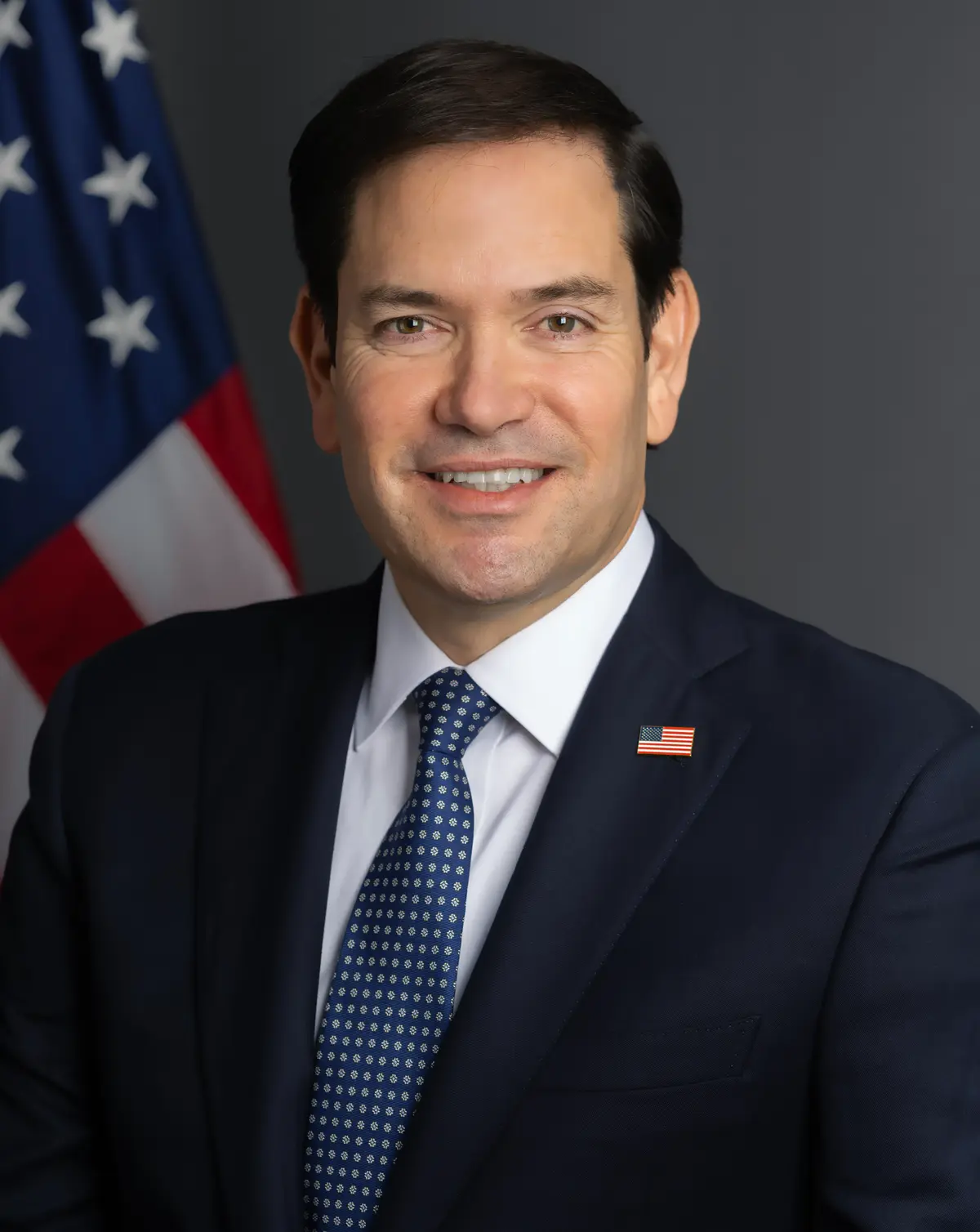
US Secretary of State Marco Rubio, speaking from Florida on November 6, 2026, expressed deep skepticism regarding the ongoing negotiations with Iran, characterizing the Islamic Republic's demands as 'outrageous and ridiculous.' This statement comes as tensions remain high following the US-led military actions against Iran that began in February 2026, aimed at curbing Tehran's nuclear ambitions.
Rubio's Assessment of Iran's Demands
Rubio's comments were made just before his departure for a G7 foreign ministers meeting in Paris, where he is expected to discuss global security issues, including the situation in Iran. He emphasized that while President Donald Trump prefers a diplomatic resolution to the conflict, the current state of negotiations has yielded little progress.
"You have a number of countries that continue to engage them with different ideas, but I wouldn’t say we’re on DotMR of a breakthrough," Rubio stated, highlighting the challenges faced in reaching a consensus with Iran. He refrained from detailing the specific demands that he found unacceptable, but his remarks indicate a growing frustration with Tehran's negotiating stance.
Trump's Position on Military Action
In a related development, President Trump has indicated that he is 'highly unlikely' to authorize new military strikes against Iran, provided that negotiations yield a strong agreement. However, he also warned that the US has identified additional targets, including critical infrastructure, should military action become necessary again.
Trump's comments reflect a dual approach to the conflict: a willingness to engage diplomatically while maintaining a readiness for military action if required. "If there's a chance to do it, we will explore it… Right now, it hasn't been very productive," Rubio reiterated, echoing the president's sentiments.
The Political Ramifications of the Conflict
The ongoing conflict with Iran has had significant political repercussions for the Republican Party, particularly following the recent midterm elections where the war was cited as a contributing factor to the party's losses. Trump acknowledged that the unpopularity of the war, which has driven up oil and gasoline prices, played a role in the electoral outcomes.
Rubio defended the military actions taken against Iran, asserting that they were necessary to prevent the country from developing nuclear weapons. He stated, "He identified a very real threat in Iran and worked to stop the Islamic Republic from pursuing a nuclear weapon." This perspective underscores the administration's justification for the conflict, despite its unpopularity among voters.
The Future of US-Iran Relations
As the G7 meeting approaches, the future of US-Iran relations remains uncertain. Rubio's remarks suggest that while the Trump administration is open to negotiations, the path forward is fraught with challenges. The Secretary of State's characterization of Iran's demands as unrealistic indicates a significant gap between the two nations that may hinder any potential agreements.
The international community will be closely watching the developments from the G7 meeting, as the US seeks to navigate its foreign policy objectives while addressing domestic political pressures. The outcome of these discussions could have lasting implications for regional stability and global security.
In conclusion, as the Trump administration grapples with the complexities of negotiating with Iran, the stakes remain high. The balance between pursuing diplomatic solutions and preparing for military action will be critical in shaping the future of US-Iran relations. Rubio's comments reflect a cautious approach, emphasizing the need for realistic negotiations while acknowledging the challenges posed by Iran's demands.
| Date | Event | Key Figures | Outcome/Impact |
|---|---|---|---|
| Nov 6, 2026 | Rubio's remarks on Iran | Marco Rubio, Donald Trump | Stalled negotiations, potential military action |
| Feb 2026 | Start of US-Iran conflict | US, Israel, Iran | Increased tensions, rising oil prices |
| Nov 3, 2026 | Midterm elections | Republican Party | Losses attributed to the war's unpopularity |