NCPCR's Commitment to Child Safety in Digital Spaces
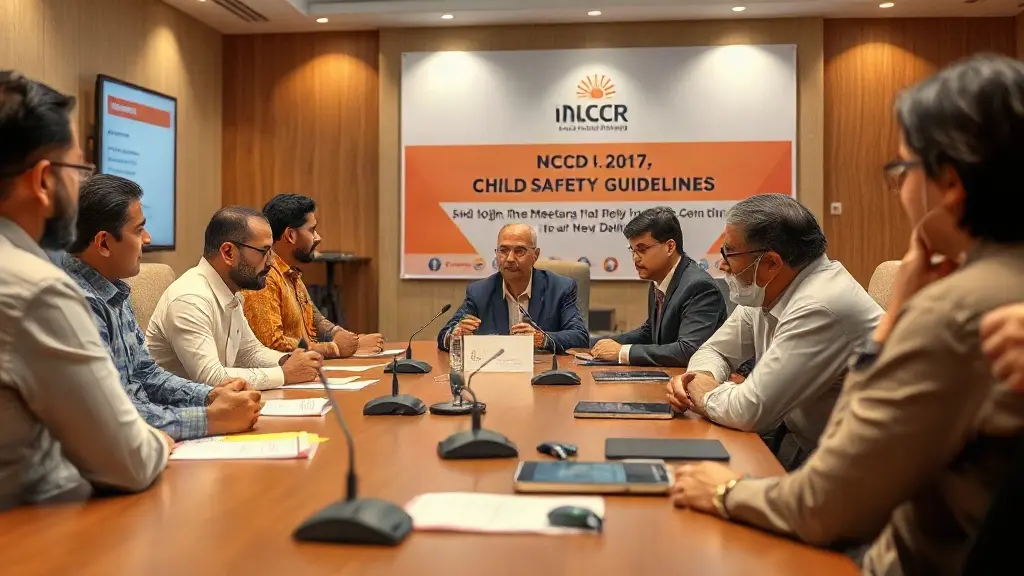
The National Commission for Protection of Child Rights (NCPCR) is nearing the completion of its comprehensive guidelines aimed at enhancing child safety on social media and online gaming platforms. This initiative comes in response to the growing concerns regarding children's exposure to harmful content in the digital realm. The NCPCR held its final stakeholder meeting with representatives from major social media and gaming companies on November 13, 2026, as part of its consultative process. The finalized guidelines are expected to be released in the first half of 2027, following a public comment period in December 2026.
Stakeholder Engagement and Proposed Measures
During the recent meeting, representatives from 16 companies, including Meta, Google, Snapchat, ShareChat, Reddit, and Roblox, presented their existing child safety tools and initiatives. An NCPCR official, who spoke on the condition of anonymity, emphasized the need for a uniform code of conduct for these platforms. The guidelines aim to address legal yet harmful practices, such as addictive scrolling and exposure to inappropriate content.
The NCPCR has developed a ‘Child Safety Implementation Matrix’ that outlines various safety measures. This matrix includes age assurance protocols, data protection strategies, and mechanisms for detecting and addressing child sexual exploitation and abuse material (CSEAM). The guidelines also focus on anti-addictive design principles and digital wellbeing, ensuring that children have a safer online experience.
Addressing Growing Concerns of Online Exploitation
The initiative is particularly significant given the increasing use of digital platforms by children and the associated risks of cyberbullying, online grooming, and privacy violations. The NCPCR's statement highlighted the urgent need for stronger safeguards and greater accountability from digital platforms. The commission's approach is not to restrict children's access to social media but to establish a common set of safety standards that platforms must adhere to.
The consultative process began earlier in 2026, with initial discussions held on May 22. Following this, the NCPCR engaged in one-on-one consultations with individual companies and sought input from civil society organizations. This collaborative approach has allowed the commission to incorporate diverse perspectives into the implementation matrix.
Legal Framework and Future Implications
While the guidelines will function as recommendations rather than enforceable laws, the NCPCR retains the authority to recommend prosecution for violations of children's rights under existing laws. This statutory power, derived from the Commissions for Protection of Child Rights (CPCR) Act, underscores the commission's commitment to safeguarding children's rights in the digital landscape.
The NCPCR's efforts align with broader discussions within the Indian government regarding children's online safety. The commission is working closely with the Ministry of Electronics and Information Technology (MeitY), the Department of Telecommunications (DoT), and the Indian Cyber Crime Coordination Centre (14C) to ensure a comprehensive approach to child safety online.
Conclusion: A Step Towards Safer Digital Environments
As the NCPCR prepares to finalize its guidelines, the emphasis on collaboration with social media and gaming platforms is crucial. By fostering a culture of accountability and proactive measures, the commission aims to create a safer digital environment for children. The upcoming public comment phase will provide an opportunity for further input, ensuring that the guidelines reflect the needs and concerns of all stakeholders involved.
| Forensic Metric / Statutory Dimension | Mainstream Wire Benchmark | DotMR Corroborated Record & Direct Impact |
|---|---|---|
| Number of companies consulted | 16 | 16 |
| Timeline for final guidelines | Mid-2027 | First half of 2027 |
| Key areas of focus | Child safety tools | Age assurance, data protection, CSEAM |
| Public comment period | December 2026 | December 2026 |
| Initial stakeholder meeting date | May 22, 2026 | May 22, 2026 |