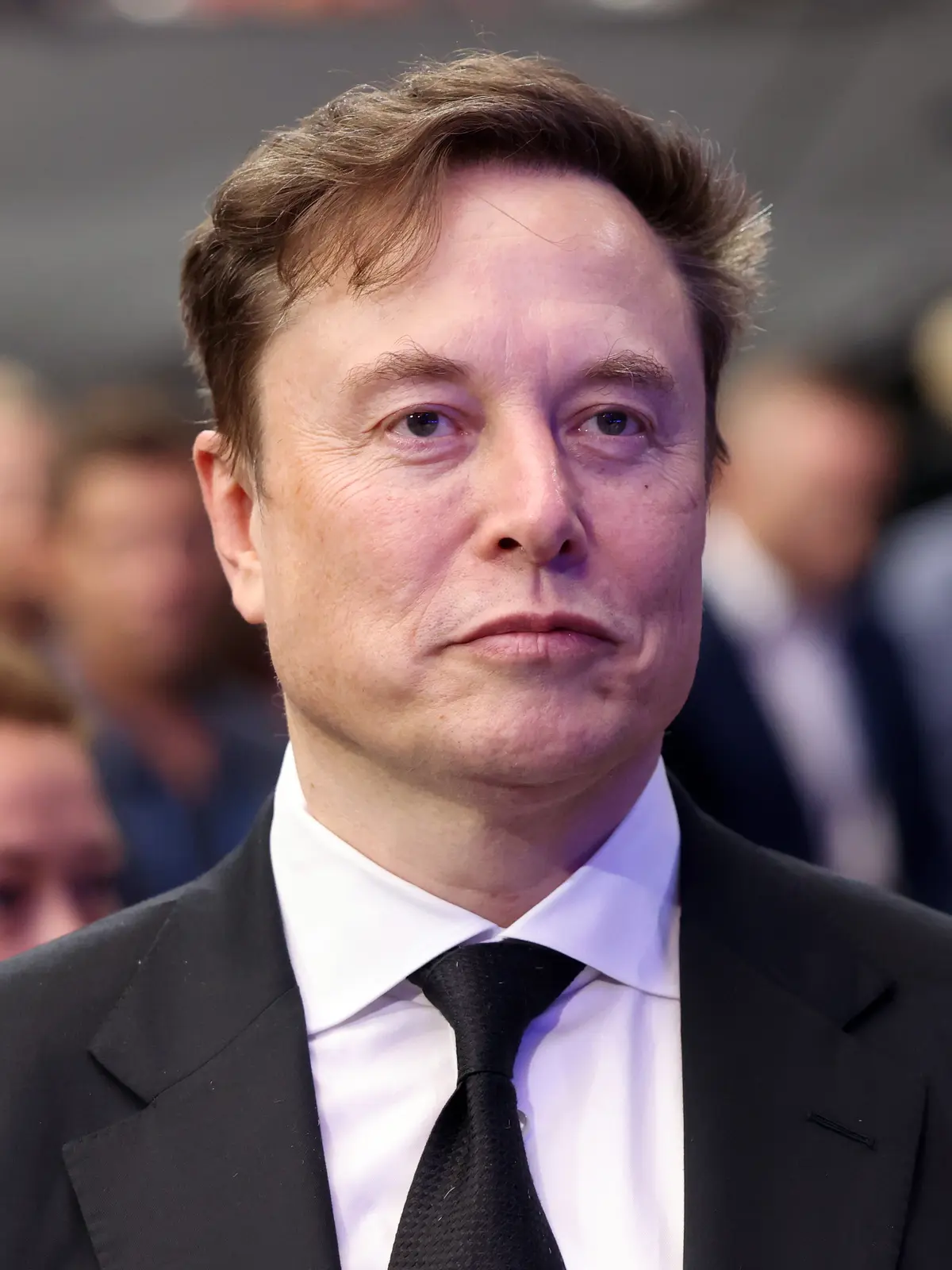
Elon Musk's SpaceX and Tesla Inc are advancing in merger negotiations, with a potential announcement as early as December 2026. This proposed deal could create the world's largest corporate combination, merging Musk's electric vehicle, energy storage, rocket, and satellite businesses under one umbrella. The discussions are reportedly focused on governance structures and operational synergies, particularly in the realm of artificial intelligence, which both companies aim to leverage across various sectors, including space operations and autonomous vehicles.
Governance Structure and Operational Synergies
The merger talks have seen both companies' boards and advisers working diligently to outline the terms of the proposed combination. A significant aspect of these discussions is the governance structure of the merged entity. Musk has indicated that special committees comprising independent directors from both companies have been formed to evaluate the merger's feasibility. This step is crucial as it aims to ensure that the merger aligns with both companies' long-term strategic goals while addressing any potential conflicts of interest.
The rationale behind this merger is not just about consolidating resources but also about enhancing the companies' capabilities in artificial intelligence. Both SpaceX and Tesla have made significant investments in AI technologies, and the merger could accelerate advancements in autonomous systems, humanoid robots, and more efficient space operations. As both companies already have commercial ties, including a joint semiconductor manufacturing facility in Texas, the groundwork for operational collaboration is already laid.
Regulatory Challenges and National Security Concerns
Despite the promising prospects of a merger, several regulatory and operational hurdles could complicate the transaction. One of the primary concerns revolves around Tesla's substantial operations in China, which could pose challenges in terms of regulatory approvals. The contrasting business interests of SpaceX and Tesla in the US and China have raised alarms among analysts and regulators alike.
JPMorgan analyst Rajat Gupta highlighted the national security considerations surrounding the two businesses, describing them as "key dynamics that are at odds with each other". SpaceX has sensitive contracts with the US government and defense establishment, while Tesla's profitable manufacturing presence in China could attract scrutiny from US lawmakers. The potential for political backlash is heightened by the recent midterm elections, which saw Democrats gaining control of Congress, leading to promises of investigations into Musk's business dealings.
Shareholder Considerations and Market Valuation
As the merger discussions progress, another critical aspect under consideration is how many shares SpaceX would need to offer Tesla shareholders as part of the transaction. This consideration is vital, especially given the market valuations of both companies. Following its public listing in June 2026, SpaceX achieved a market value exceeding $1.9 trillion, while Tesla's valuation stands at around $1.5 trillion. The financial implications of the merger could significantly impact shareholders and the overall market landscape.
Tesla is scheduled to hold its annual shareholder meeting on December 3, 2026, which could coincide with the anticipated announcement of the merger. Analysts speculate that the timing of the announcement may be strategically aligned with this meeting to garner shareholder support and address any concerns directly.
Future Outlook and Potential Timeline
While the discussions are currently leaning towards a December announcement, some reports suggest that the timeline could extend into early 2027. The urgency of the merger is partly driven by the desire to complete the transaction before the end of US President Donald Trump's term. However, the latest discussions indicate a possibility of an earlier announcement, although the timeline remains uncertain.
As the merger talks continue, the implications of this potential corporate combination are vast. If successful, it would not only reshape the landscape of the aerospace and automotive industries but also set a precedent for future mergers in the tech sector. The convergence of SpaceX's space exploration capabilities and Tesla's electric vehicle technology could lead to notable innovations and advancements in both fields.
As the world watches closely, the outcome of these merger talks could redefine the future of technology and innovation under Elon Musk's leadership. The stakes are high, and the implications of this potential merger extend far beyond the corporate realm, touching on national security, international relations, and the future of AI-driven technologies.
| Forensic Metric / Statutory Dimension | Mainstream Wire Benchmark | DotMR Corroborated Record & Direct Impact |
|---|---|---|
| SpaceX Market Value | $1.9 trillion | Achieved post-IPO in June 2026 |
| Tesla Market Value | $1.5 trillion | Current valuation as of November 2026 |
| Anticipated Announcement Date | December 2026 | Potential announcement timeline |
| Governance Structure Discussions | Ongoing | Special committees formed |
| Regulatory Concerns | High | National security implications noted |