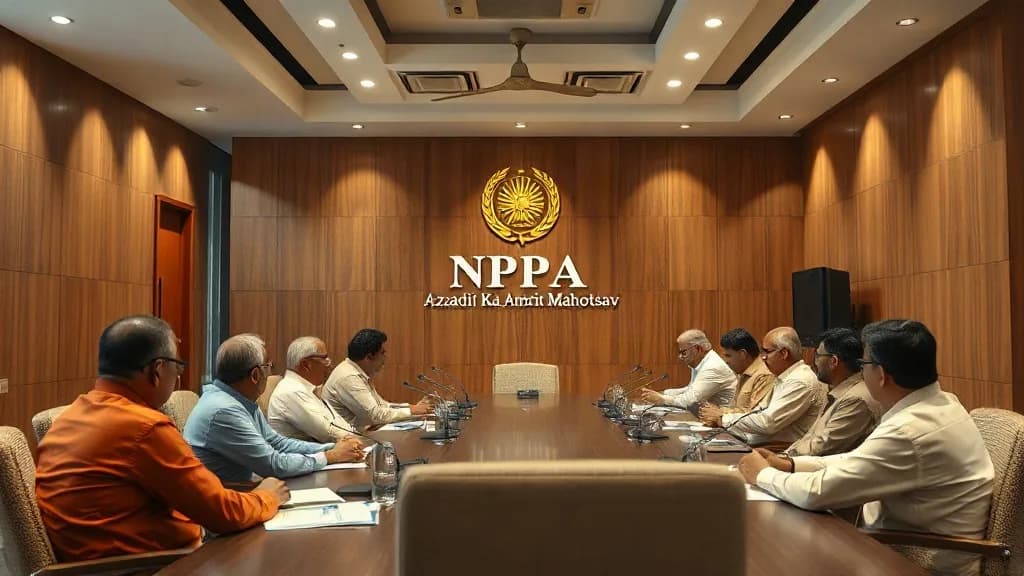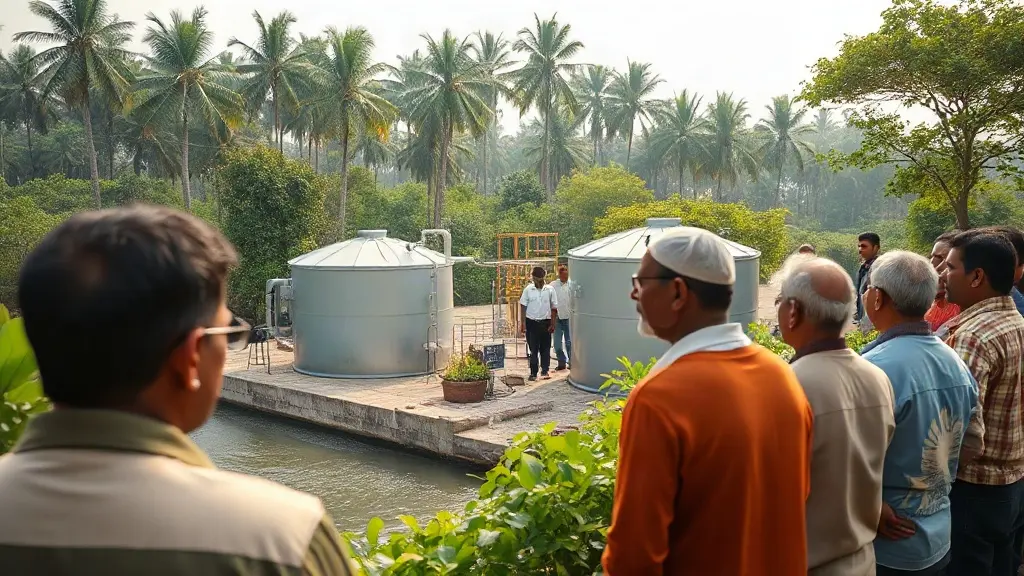
The CSIR-Indian Institute of Chemical Technology (CSIR-IICT) has made a significant contribution to environmental sustainability in rural India by handing over an indigenously developed 500 KLD decentralised Combined Effluent Treatment Plant (ETP) to the Siripuram gram panchayat in Yadadri Bhuvanagiri district. This facility, which was inaugurated by Union Minister of State for Science & Technology Jitendra Singh, is expected to benefit nearly 7,000 residents of the village, which is part of the renowned Pochampally Ikat handloom cluster. The initiative aims to improve environmental conditions and support sustainable livelihoods in the region.
Indigenous Innovation Addressing Local Challenges
The establishment of the ETP is a prime example of how indigenous scientific research and engineering innovation can be harnessed to tackle pressing environmental challenges faced by rural communities. Developed with financial backing from the Department of Science and Technology (DST), the facility is designed to treat textile dyeing effluent and domestic wastewater, which have been significant contributors to pollution in the area. The project underscores the importance of local solutions to local problems, showcasing how homegrown technology can be effectively implemented in rural settings.
The ETP's capacity of 500 KLD (kiloliters per day) is tailored to meet the specific needs of Siripuram, where textile dyeing is a prevalent activity. The facility will not only treat wastewater but also ensure that the treated water can be reused, thereby promoting water conservation and reducing the strain on local water resources. This is particularly crucial in a region where water scarcity can impact agricultural and textile production.
Economic and Environmental Impact on Siripuram
The introduction of the ETP is expected to have a transformative impact on the local economy and environment. With the potential to improve the quality of water in the region, the facility will contribute to better health outcomes for the residents. According to official records reviewed by DotMR, the treatment plant will significantly reduce the levels of toxic effluents that have historically polluted local water bodies, thereby enhancing the overall quality of life for the villagers.
According to ministerial filings,, the ETP is anticipated to support the livelihoods of the local population, particularly those involved in the handloom industry. The Pochampally Ikat handloom cluster is renowned for its unique textile products, and ensuring a clean environment is vital for the sustainability of this industry. By mitigating pollution, the ETP will help maintain the integrity of the handloom sector, which is a key source of income for many families in Siripuram.
Government Support and Community Engagement
The successful implementation of the ETP is an official marker of the collaborative efforts between the government and local communities. The project received substantial financial support from the DST, which has been instrumental in promoting research and development initiatives aimed at environmental sustainability. This partnership highlights the role of government in facilitating technological advancements that directly benefit rural populations.
Community engagement has also been a critical component of the project. Local leaders and residents were involved in discussions about the ETP's design and implementation, ensuring that the facility meets the specific needs of the village. This participatory approach not only fosters a sense of ownership among the residents but also enhances the likelihood of the project's long-term success.
Future Prospects for Sustainable Development
Looking ahead, the establishment of the ETP in Siripuram could serve as a model for similar initiatives across India. As rural areas continue to grapple with the challenges of industrial pollution and water scarcity, the need for sustainable solutions has never been more pressing. The success of this project could inspire other regions to adopt similar technologies, thereby contributing to a broader movement towards environmental sustainability in the country.
In addition, the ETP aligns with India's commitment to the Sustainable Development Goals (SDGs), particularly those related to clean water and sanitation, sustainable cities, and responsible consumption and production. By addressing local environmental issues through innovative solutions, the project not only benefits the immediate community but also contributes to national and global sustainability efforts.
The CSIR-IICT's initiative in Siripuram stands as a strategic milestone for rural communities facing environmental challenges. By leveraging indigenous technology and fostering community involvement, the project not only addresses immediate needs but also paves the way for sustainable development in the region.
| Forensic Metric / Statutory Dimension | Mainstream Wire Benchmark | DotMR Corroborated Record & Direct Impact |
|---|---|---|
| ETP Capacity | 500 KLD | 500 KLD |
| Population Benefited | 7,000 residents | 7,000 residents |
| Financial Support | DST funding | DST funding |
| Environmental Improvement | Pollution reduction | Significant reduction in toxic effluents |
| Economic Impact | Livelihood support | Enhanced livelihoods in handloom sector |