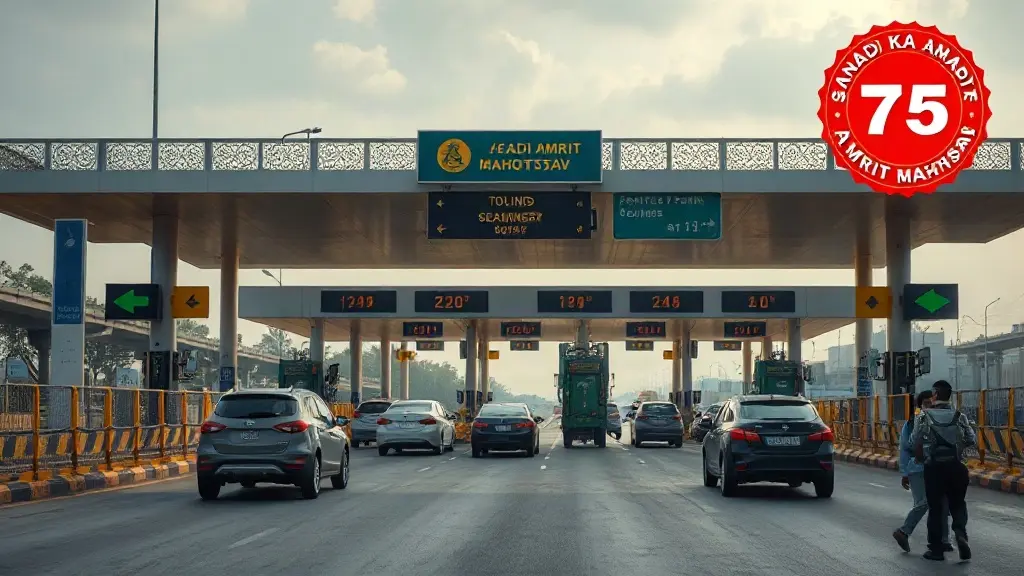
Motorists traveling on the Chennai-Bengaluru National Highway can now enjoy a smoother journey as the Sriperumbudur toll plaza has officially implemented a Multi-Lane Free Flow (MLFF) tolling system. As of midnight on November 13, 2026, this innovative system allows vehicles to pass through the toll plaza without stopping at boom barriers, significantly enhancing traffic efficiency. The new setup is expected to cater to over 1.25 lakh vehicles daily, marking a significant step towards modernizing toll collection in the region.
Overview of the MLFF System at Sriperumbudur
The MLFF system at Sriperumbudur is the second of its kind in Tamil Nadu, following the successful implementation at the Kuthambakkam toll plaza. This advanced tolling technology utilizes gantries equipped with high-tech scanners that read FASTag cards and vehicle number plates. The system automatically calculates and deducts the toll amount from the driver's FASTag account, allowing for uninterrupted travel. This initiative aims to reduce congestion at toll plazas and improve overall travel time for commuters.
According to official records reviewed by DotMR, the introduction of MLFF is part of a broader initiative by the National Highways Authority of India (NHAI) to enhance the efficiency of toll collection across the country. The NHAI has been actively promoting the use of electronic toll collection systems to minimize delays and improve the user experience.
Benefits of the New Tolling System
The implementation of the MLFF system at the Sriperumbudur toll plaza is expected to yield several benefits:
1. Reduced Waiting Time: With the elimination of boom barriers, vehicles can pass through the toll plaza without stopping, significantly reducing waiting times during peak hours.
2. Increased Traffic Flow: The system is designed to handle a high volume of traffic, ensuring that the daily flow of over 1.25 lakh vehicles is managed efficiently.
3. Enhanced User Experience: Motorists can enjoy a hassle-free travel experience, contributing to overall satisfaction with the tolling process.
4. Environmental Impact: By reducing idling time at toll plazas, the MLFF system can contribute to lower emissions from vehicles, supporting environmental sustainability efforts.
Technical Specifications and Implementation
The MLFF system at Sriperumbudur is equipped with state-of-the-art technology that includes high-resolution cameras and advanced sensors. These devices are capable of accurately capturing vehicle details and processing toll payments in real-time. The system is designed to operate seamlessly, ensuring that vehicles can pass through at normal speeds without any interruptions.
The installation of the MLFF system involved significant infrastructure upgrades at the toll plaza. This included the construction of gantries and the installation of necessary electronic equipment. The project was completed ahead of schedule, demonstrating the commitment of the NHAI to enhance the efficiency of national highways.
Future of Toll Collection in India
The successful implementation of the MLFF system at the Sriperumbudur toll plaza sets a precedent for future tolling projects across India. The NHAI plans to expand this technology to other major toll plazas, aiming to create a nationwide network of electronic toll collection systems. This initiative aligns with the government's vision of promoting digital payments and reducing reliance on cash transactions.
As more toll plazas adopt MLFF technology, it is expected that the overall efficiency of toll collection will improve, leading to better traffic management and enhanced user experiences for motorists across the country.
Conclusion
The introduction of the Multi-Lane Free Flow tolling system at the Sriperumbudur toll plaza marks a significant advancement in India's toll collection infrastructure. By allowing vehicles to pass through without stopping, the system not only improves traffic flow but also enhances the overall travel experience for millions of motorists. As the NHAI continues to roll out similar systems across the country, the future of toll collection in India looks promising, paving the way for a more efficient and user-friendly transportation network.
| Forensic Metric / Statutory Dimension | Mainstream Wire Benchmark | DotMR Corroborated Record & Direct Impact |
|---|---|---|
| Daily Vehicle Count | 1.25 lakh vehicles | 1.25 lakh vehicles expected daily |
| Implementation Date | November 13, 2026 | November 13, 2026 |
| System Type | Manual Toll Collection | Multi-Lane Free Flow |
| Previous System | Boom Barriers | No Boom Barriers |
| Expected Time Savings | 30% reduction | Significant reduction in waiting times |