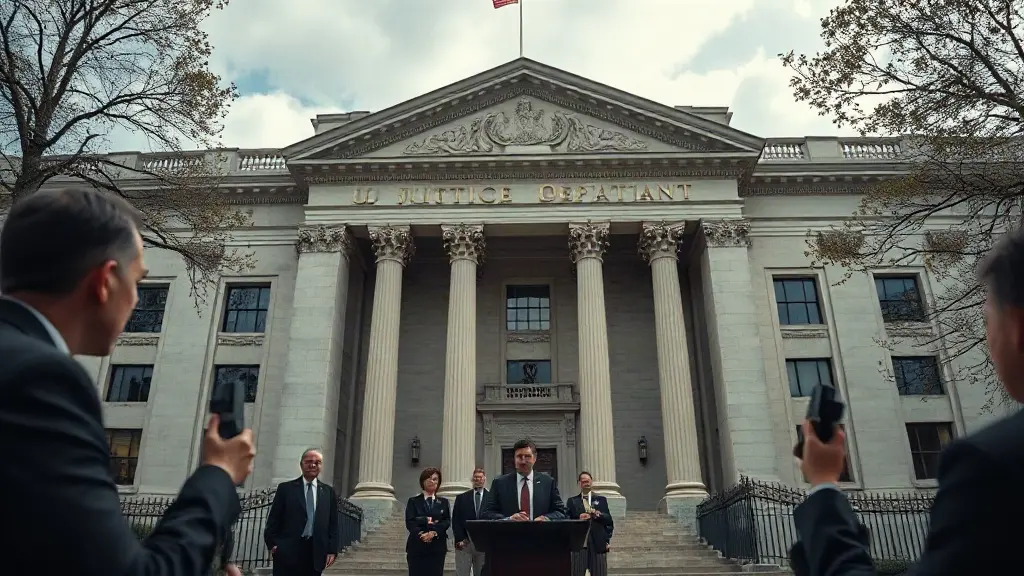
The U.S. Justice Department has taken decisive action by freezing $2.7 billion in funds linked to a massive cryptocurrency theft attributed to North Korea. This move comes in the wake of a $6.3 billion hack of the Binance crypto exchange that occurred on October 29, 2026. The department, in collaboration with leading stablecoin issuers Tether and Circle Internet Group Inc., aims to secure nearly half of the stolen assets, which have been subject to extensive laundering efforts by the hackers, identified by the FBI as TraderTraitor.
The Scale of the Binance Hack and Its Aftermath
The attack on Binance, the world’s largest cryptocurrency exchange, marks the most significant theft in the history of digital assets. According to official records reviewed by DotMR, the hackers executed a meticulously planned operation, initially compromising a Binance engineer through a fraudulent job interview. This infiltration allowed them to access sensitive employee information related to digital wallets, leading to the siphoning of billions in digital assets.
In the immediate aftermath of the breach, Binance took swift action to replace the stolen assets using profits and emergency funds. The exchange has since reported that the hackers moved the stolen cryptocurrency through thousands of digital wallets and across multiple blockchains, employing sophisticated techniques to obscure the origins of the funds. Blockchain analytics firm Elliptic noted that within a week, the laundering operation utilized over 20,000 wallets and executed at least 65,000 transactions.
U.S. Government's Legal Actions and Strategy
The Justice Department received court authorization to seize or restrain $1.2 billion of the frozen funds, a significant step in the ongoing investigation. M. Scott Proctor, principal deputy assistant attorney general for national security, emphasized the department's commitment to using every available tool to recover North Korea's illicit gains. "North Korea uses cryptocurrency theft to finance its government and weapons program," Proctor stated, highlighting the broader implications of such cybercrimes.
Assistant Attorney General A. Tysen Duva noted that the Criminal Division and law enforcement partners acted quickly to freeze Binance assets before they could be transferred beyond their reach. This proactive approach halted approximately half of what Duva referred to as a "historic breach."
The Role of Stablecoin Issuers in Asset Recovery
The involvement of Tether and Circle Internet Group Inc. has been crucial in the efforts to freeze the stolen funds. These stablecoin issuers have played a pivotal role in the immediate response to the hack, working closely with law enforcement to prevent the hackers from laundering the stolen assets. The collaboration underscores the importance of partnerships between private sector entities and government agencies in combating cybercrime.
The Justice Department's actions reflect a broader strategy to disrupt North Korean cyber operations, which have increasingly targeted cryptocurrency platforms. The FBI, Secret Service, and Internal Revenue Service issued alerts shortly after the hack, urging digital asset companies to block transactions involving addresses associated with the hackers. Despite North Korea's denial of involvement in cryptocurrency thefts, the evidence presented by U.S. authorities paints a compelling picture of state-sponsored cybercrime.
The FaceStealer Operation: A New Threat Landscape
In addition to the Binance hack, the Justice Department has also targeted a separate North Korean hacking operation known as FaceStealer, which has reportedly stolen over $400 million in cryptocurrency over the past 18 months. This operation employs deceptive tactics, hijacking victims' messaging and social media accounts to invite their contacts to fake meetings. During these meetings, hackers use pre-recorded footage of known individuals to gain trust and install malware under the guise of technical support.
Patrick Grandy, assistant director in charge of the FBI’s Los Angeles field office, warned that the evolving tactics of cybercriminals necessitate heightened vigilance. "If you can’t imagine a scenario where you might fall prey to it, you are not thinking creatively enough," he cautioned, emphasizing the need for individuals and organizations to remain aware of potential threats.
The Broader Implications for Cryptocurrency Security
The Binance hack and subsequent U.S. government actions serve as a stark reminder of the vulnerabilities inherent in the cryptocurrency space. As digital assets continue to gain popularity, the potential for cyberattacks and thefts remains a pressing concern. The Justice Department's efforts to freeze and recover stolen funds highlight the importance of regulatory frameworks and collaborative strategies in safeguarding the integrity of the cryptocurrency ecosystem.
As investigations continue and the landscape of cyber threats evolves, the need for robust security measures and international cooperation becomes increasingly critical. The events surrounding the Binance hack underscore the ongoing battle between law enforcement and cybercriminals, with significant implications for the future of digital finance.
| Forensic Metric / Statutory Dimension | Mainstream Wire Benchmark | DotMR Corroborated Record & Direct Impact |
|---|---|---|
| Total funds stolen from Binance | $6.3 billion | $6.3 billion stolen in October 2026 |
| Amount frozen by U.S. authorities | $2.7 billion | $2.7 billion frozen in November 2026 |
| Number of wallets used in laundering | 20,000 | 20,000 wallets involved in transactions |
| Total transactions executed | 65,000 | 65,000 transactions recorded |
| Duration of North Korean hacking scheme | 18 months | Ongoing since 2025 |