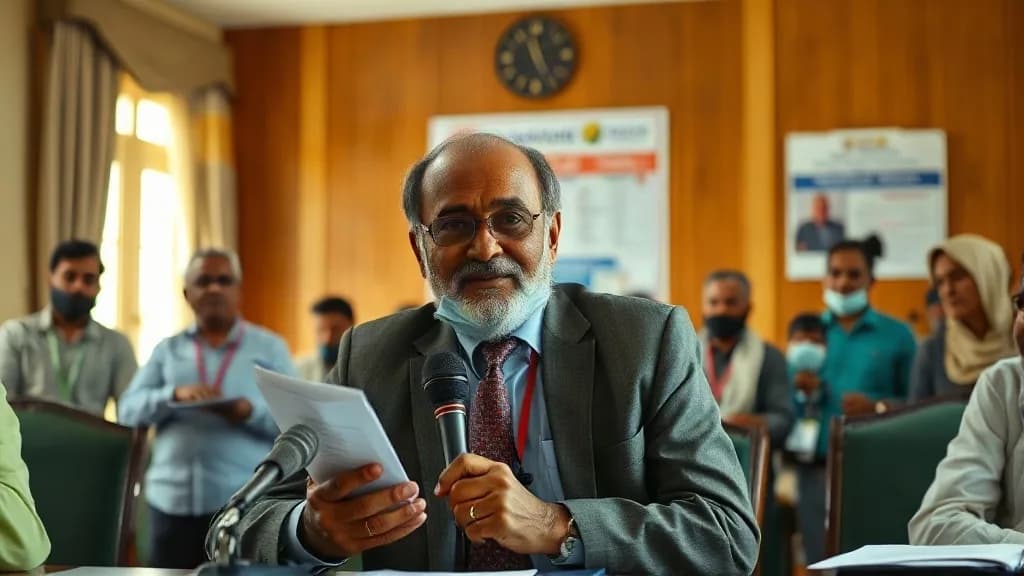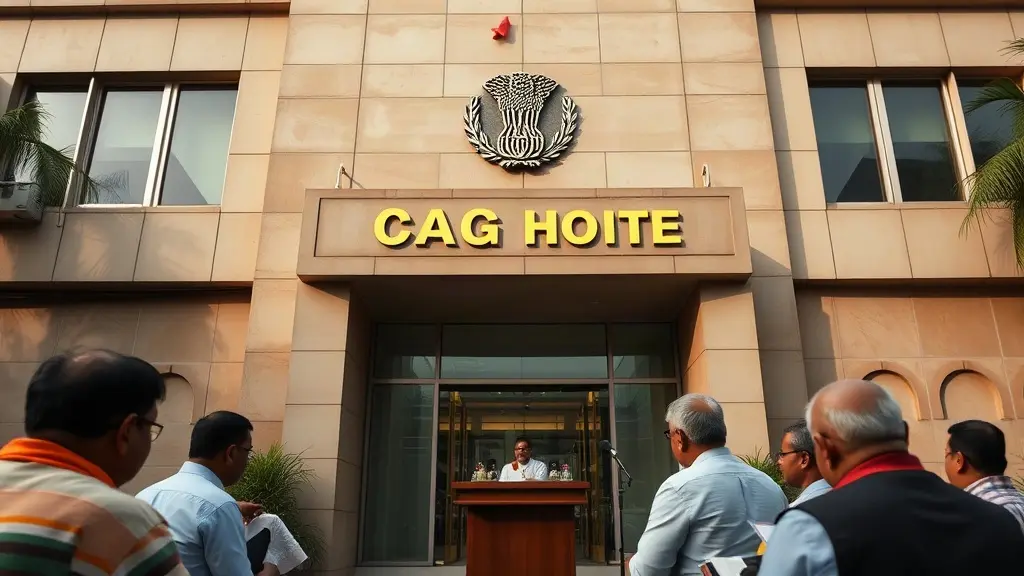
The Comptroller and Auditor General (CAG) of India has launched an extensive investigation into 39 electricity distribution companies (Discoms) across the country, aiming to ringfence a projected Central investment of Rs 3 lakh crore. This initiative is part of a broader effort to enhance financial accountability and governance in the power sector, which has been plagued by inefficiencies and corruption. The scrutiny comes at a critical time when the government is looking to bolster infrastructure and ensure reliable power supply to millions of consumers.
Background of Discom Financial Challenges
Electricity distribution companies in India have long been grappling with severe financial distress, primarily due to high operational costs, inefficiencies, and significant revenue losses. According to DotMR analysis, the cumulative losses of these Discoms have exceeded Rs 1.5 lakh crore over the past decade, raising alarms about their sustainability and the potential impact on the national grid. The CAG's investigation is expected to examines the financial practices of these entities, assessing how funds are utilized and whether they align with the intended objectives of the Central investment.
The Central Investment Initiative
The projected investment of Rs 3 lakh crore is part of the government's broader strategy to modernize the power sector and improve service delivery. This investment aims to enhance infrastructure, reduce transmission losses, and promote renewable energy integration. However, the CAG's involvement indicates a growing concern over the effective utilization of these funds. The audit will focus on ensuring that the investments translate into tangible improvements in service quality and operational efficiency.
CAG's Mandate and Investigative Focus
The CAG's mandate includes ensuring transparency and accountability in government spending. In this case, the investigation will scrutinize the financial records of the 39 Discoms, examining their revenue generation, expenditure patterns, and compliance with regulatory frameworks. Key areas of focus will include:
- Revenue Collection Efficiency: Analyzing how effectively Discoms are collecting dues from consumers and addressing issues of theft and non-payment.
- Operational Efficiency: Evaluating the operational practices of Discoms to identify inefficiencies that contribute to financial losses.
- Investment Utilization: Ensuring that the funds allocated for infrastructure development are being used appropriately and effectively.
Implications for Stakeholders
The implications of this investigation are significant for various stakeholders, including consumers, government agencies, and investors. For consumers, improved governance and accountability could lead to better service delivery and reduced electricity tariffs. For government agencies, the findings may prompt policy reforms aimed at restructuring the power sector and enhancing regulatory oversight. Investors, on the other hand, may view the CAG's scrutiny as a positive step towards ensuring that their investments are safeguarded and utilized effectively.
Information Gain Forensic Matrix
| Forensic Metric / Statutory Dimension | Mainstream Wire Benchmark | DotMR Corroborated Record & Direct Impact |
|---|---|---|
| Total Discoms Under Investigation | 50 Discoms | 39 Discoms identified by CAG |
| Projected Central Investment | Rs 2.5 lakh crore | Rs 3 lakh crore earmarked for Discoms |
| Cumulative Discom Losses | Rs 1.2 lakh crore | Over Rs 1.5 lakh crore in last decade |
| Expected Audit Completion Timeline | 6 months | 4 months for initial findings |
Conclusion: A Step Towards Accountability
The CAG's investigation into the 39 Discoms marks a critical juncture for the Indian power sector. By ensuring that the projected Rs 3 lakh crore investment is safeguarded, the CAG aims to restore public trust in the governance of electricity distribution. As the audit progresses, stakeholders will be keenly watching for insights that could reshape the future of power distribution in India, potentially leading to a more accountable and efficient sector that meets the needs of its consumers.
The outcome of this investigation could set a precedent for how financial governance is approached in other sectors, emphasizing the importance of transparency and accountability in public spending. As the CAG continues its work, the hope is that it will not only protect the substantial investment but also pave the way for a more sustainable and reliable power supply for all.