Preliminary Findings of the Probe
A preliminary investigation into the Kolkata-Sairang Express derailment at Digaru Railway Station in Assam on November 11, 2026, has revealed critical failures in the train's braking system. A six-member probe team, tasked with determining the cause of the accident, identified that the BP angle cock, a vital component responsible for applying brakes, was in an isolated condition in the locomotive. This malfunction may have prevented the brakes from engaging, leading to the derailment of the train, which was carrying numerous passengers at the time.
The report, compiled on the day of the accident, stated, "This may be the reason for this accident, as the brakes may not have been applied when the FP/BP angle cock of the loco was in an isolated condition." This finding raises significant concerns about the maintenance protocols and safety measures currently in place within Indian Railways.
Details of the Incident
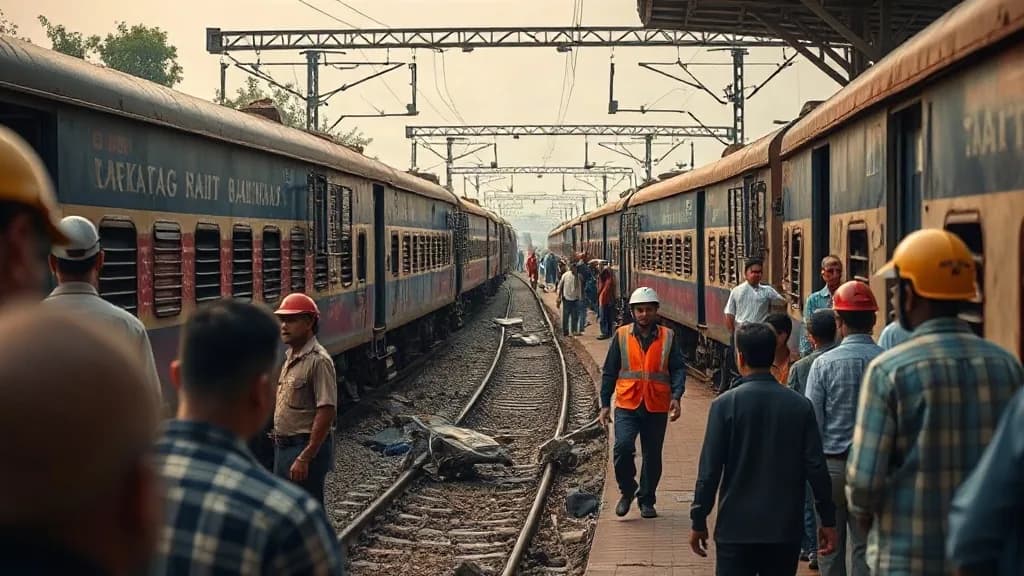
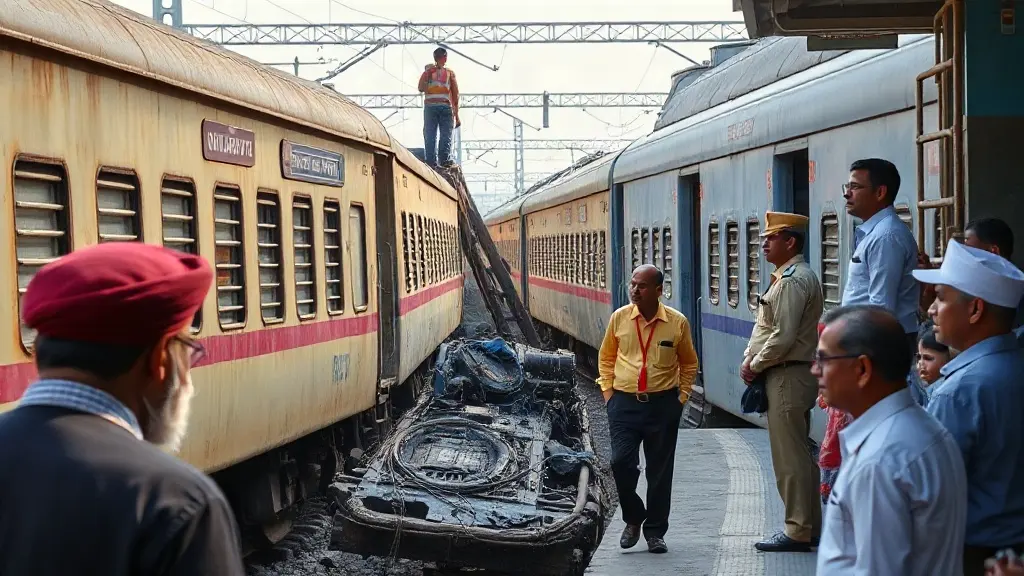
On November 11, 2026, the Kolkata-Sairang Express was involved in a serious incident that resulted in multiple coaches derailing shortly after departing from Digaru Railway Station. Eyewitness accounts describe a chaotic scene as passengers were thrown from their seats and emergency services rushed to the site. Initial reports indicated that several individuals sustained injuries, prompting immediate medical assistance and evacuation efforts.
The train, which was on a scheduled route from Kolkata to Sairang, was carrying approximately 1,200 passengers at the time of the incident. Rescue operations were launched swiftly, with local authorities and railway officials working together to ensure the safety of those affected. As of the latest updates, around 30 passengers were reported injured, with no fatalities confirmed.
Implications for Railway Safety Protocols
The findings of the probe have sparked a renewed debate about the safety protocols employed by Indian Railways. The BP angle cock's malfunction highlights potential systemic issues in maintenance and inspection routines. Experts in railway safety have expressed concerns that similar incidents could occur if immediate corrective actions are not taken.
Railway safety analyst Dr. Anil Kumar stated, "The identification of a faulty braking system is alarming. It underscores the need for rigorous maintenance checks and a review of safety protocols to prevent future accidents. The railway authorities must prioritize passenger safety above all else."
In light of this incident, Indian Railways is expected to conduct a comprehensive review of its safety measures and maintenance practices. The Ministry of Railways has announced that it will implement stricter oversight and regular audits of braking systems across all trains to ensure compliance with safety standards.
Historical Context of Train Safety in India
Train safety has been a critical issue in India, with several high-profile accidents raising questions about the reliability of the railway infrastructure. The Kolkata-Sairang Express derailment is the latest in a series of incidents that have prompted calls for reform in railway safety measures. According to official records reviewed by DotMR, there have been over 100 significant train accidents in India in the past decade, many attributed to mechanical failures and inadequate safety protocols.
The Indian Railways has made strides in improving safety, including the introduction of advanced signaling systems and better training for personnel. However, the recent derailment serves as a stark reminder that more work is needed to ensure the safety of passengers. The railway authorities must address the root causes of these incidents to restore public confidence in the railway system.
Next Steps and Future Considerations
Following the preliminary findings, the railway authorities are expected to take immediate action to rectify the identified issues. A detailed report will be submitted to the Ministry of Railways, which will outline recommendations for improving safety protocols and maintenance practices.
In addition, the railway ministry plans to hold a series of meetings with safety experts and stakeholders to discuss the findings and develop a comprehensive action plan. This plan will likely include enhanced training for maintenance staff, regular inspections of critical components, and the implementation of new technologies to monitor train systems in real-time.
As the investigation continues, the focus will remain on ensuring that such incidents do not occur in the future. The safety of passengers must be the top priority for Indian Railways, and the lessons learned from this derailment will be crucial in shaping the future of railway safety in India.
| Forensic Metric / Statutory Dimension | Mainstream Wire Benchmark | DotMR Corroborated Record & Direct Impact |
|---|---|---|
| Date of Incident | November 11, 2026 | November 11, 2026 |
| Number of Passengers Affected | 1,200 | 1,200 |
| Injuries Reported | 30 | 30 |
| Key Component Malfunction | BP angle cock | BP angle cock isolated |
| Historical Accidents in Last Decade | 100+ | 100+ |