Fuel Prices Unchanged Amid Global Oil Market Volatility
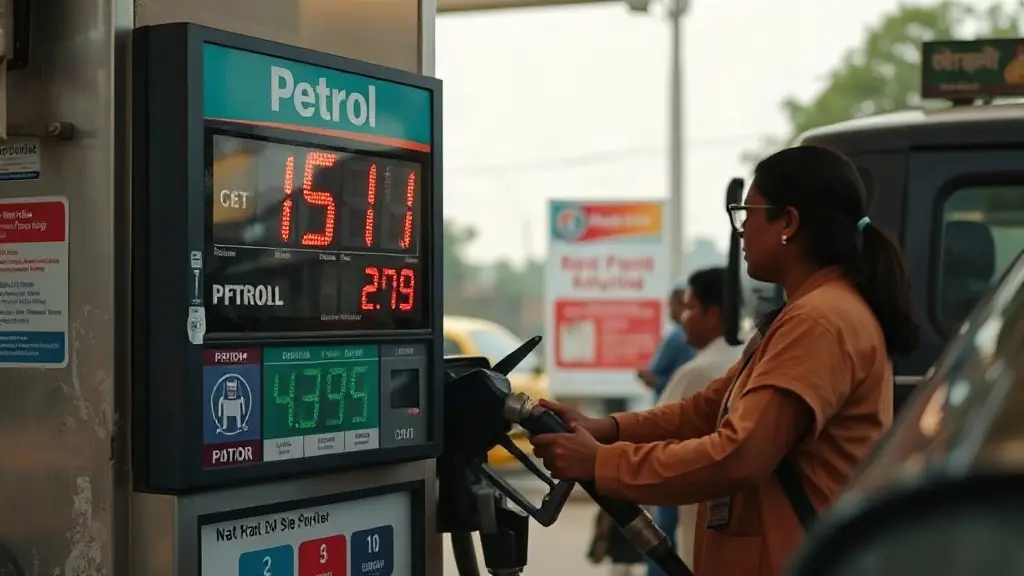
On November 13, 2026, petrol and diesel prices across major Indian cities remained unchanged, despite rising global crude oil rates influenced by geopolitical tensions. In New Delhi, petrol is priced at ₹102.12 per litre, while diesel costs ₹95.20. Similar stability is observed in other cities, with Mumbai's petrol at ₹111.21 and diesel at ₹97.83. This trend comes as global oil prices have surged, reaching nearly $96 a barrel, driven by escalating tensions between the United States and Iran, as well as attacks on Russian oil refineries by Ukrainian drones.
Global Oil Prices Surge Due to Geopolitical Tensions
The recent spike in global oil prices can be attributed to remarks made by US President Donald Trump, who stated that the US could manage without a deal with Iran, thereby diminishing hopes for a diplomatic resolution to the ongoing conflict. Trump's comments have led to a 3.3% increase in Brent crude prices, raising concerns about supply disruptions from the Middle East.
Iran's firm stance on its nuclear program, as articulated by Mohsen Rezaei, secretary of Iran's Supreme National Security Council, further complicates the situation. Rezaei emphasized that Iran would not permit any of its enriched nuclear material to be exported, indicating a potential escalation in tensions that could impact global oil supply chains.
Impact of Regional Conflicts on Fuel Supply
The conflict in the Middle East is not the only factor affecting global oil supplies. Recent attacks on Russian refineries by Ukrainian drones have exacerbated the situation, leading to significant disruptions in diesel supplies. Reports indicate that Moscow has halted fuel exports due to these attacks, which have targeted key facilities, including the largest oil refinery in western Siberia. This escalation in hostilities raises concerns about the stability of fuel supplies in Europe and beyond.
Domestic Fuel Prices Shielded from Global Fluctuations
Despite the turmoil in the global oil market, Indian consumers have so far remained insulated from the rising prices. The Indian government’s decision to scrap the additional excise duty on petrol exports has contributed to the stability of domestic fuel prices. Local taxes, including Value Added Tax (VAT), and transportation costs also play a crucial role in determining fuel prices across different states and cities.
Fuel prices vary significantly across India due to these factors. For instance, petrol prices in Kolkata are the highest at ₹113.51 per litre, while Gurugram offers a more competitive rate of ₹102.97. The following table summarizes the current fuel prices in major Indian cities:
| City | Petrol Price | Diesel Price |
|---|---|---|
| New Delhi | ₹102.12 | ₹95.20 |
| Mumbai | ₹111.21 | ₹97.83 |
| Chennai | ₹107.76 | ₹99.55 |
| Kolkata | ₹113.51 | ₹99.82 |
| Gurugram | ₹102.97 | ₹95.64 |
| Noida | ₹101.96 | ₹95.44 |
| Bengaluru | ₹111.68 | ₹99.56 |
Future Outlook: Potential for Price Adjustments
Looking ahead, the stability of fuel prices in India may be tested by ongoing geopolitical developments. As tensions between the US and Iran continue to escalate, and with the potential for further disruptions in Russian oil production, Indian consumers may soon feel the impact of these global dynamics.
Analysts suggest that if the situation does not stabilize, Indian fuel prices could rise, reflecting the global market trends. The government’s ability to manage domestic prices in the face of international volatility will be critical in the coming weeks.
Looking ahead,, while Indian fuel prices remain steady for now, the underlying global tensions present a complex landscape that could lead to significant changes in the near future. The interplay between international relations and domestic policy will be crucial in determining how Indian consumers navigate the evolving fuel market landscape.