Deteriorating Air Quality in Delhi
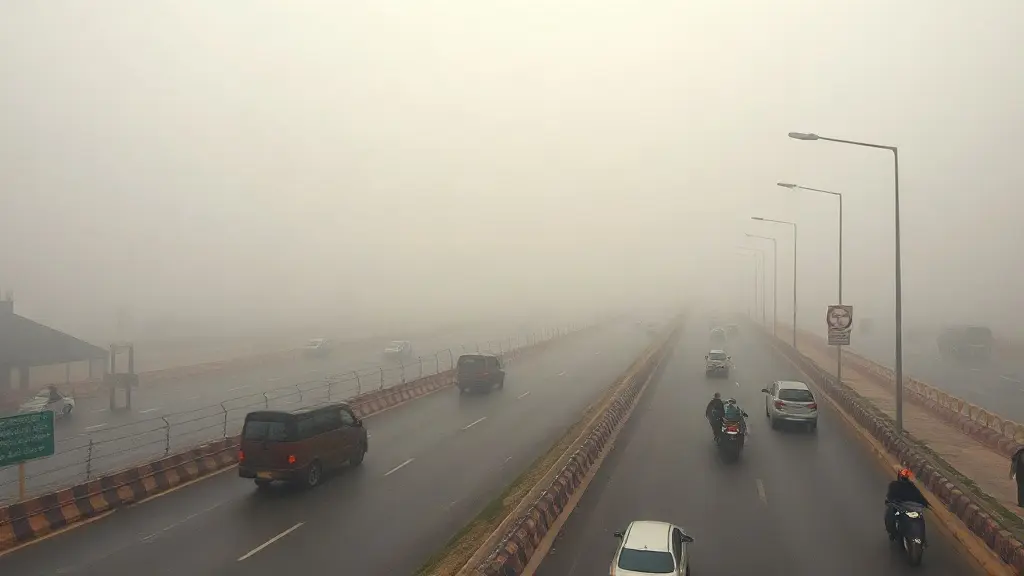
As of November 13, 2026, the air quality in Delhi has reached alarming levels, with the 24-hour average Air Quality Index (AQI) recorded at 403, categorizing it as 'severe'. This data, released by the Central Pollution Control Board (CPCB), highlights a critical environmental crisis affecting millions in the capital. The severe pollution levels have raised significant health concerns, particularly for vulnerable populations including children, the elderly, and those with pre-existing health conditions.
Regional Impact of Air Pollution
The severe air quality in Delhi is not an isolated incident. Neighboring regions, including Ballabgarh in Haryana, have also reported similar levels of pollution. Other cities in North India, such as Noida, Gurugram, and Faridabad, are experiencing 'very poor' air quality, with AQI readings significantly above safe limits. The widespread nature of this pollution suggests a regional crisis that requires immediate attention from both local and national authorities.
Health Risks Associated with Severe AQI
The implications of an AQI of 403 are dire. According to health experts, such levels of air pollution can lead to serious respiratory issues, cardiovascular diseases, and other health complications. The World Health Organization (WHO) has long warned about the dangers of prolonged exposure to high levels of particulate matter and other pollutants. Residents are advised to limit outdoor activities, especially during peak pollution hours, and to use air purifiers indoors to mitigate health risks.
Government Response and Public Awareness
In response to the deteriorating air quality, the Delhi government has initiated several measures aimed at curbing pollution. These include implementing stricter vehicle emissions standards, promoting public transport, and increasing green cover in urban areas. However, the effectiveness of these measures is often hindered by a lack of public awareness and compliance. Community engagement programs are essential to educate residents about the importance of reducing emissions and adopting cleaner practices.
Long-term Solutions for Air Quality Improvement
Addressing the air quality crisis in Delhi requires a multifaceted approach. Experts suggest that long-term solutions must include the promotion of renewable energy sources, stricter regulations on industrial emissions, and enhanced public transportation systems. Additionally, urban planning that prioritizes green spaces can significantly improve air quality over time. Collaborative efforts between government agencies, non-profit organizations, and the community are crucial for sustainable change.
| Forensic Metric / Statutory Dimension | Mainstream Wire Benchmark | DotMR Corroborated Record & Direct Impact |
|---|---|---|
| AQI Level on November 13, 2026 | 403 (Severe) | 403 (Severe) as per CPCB data |
| Affected Regions | Delhi, Ballabgarh, Noida | Delhi, Ballabgarh, Noida, Gurugram |
| Health Advisory Issued | Yes | Yes, recommending limited outdoor activity |
| Government Measures | Stricter emissions laws | Initiatives for public transport and green cover |
| Public Awareness Campaigns | Ongoing | Need for enhanced community engagement |
Conclusion
The severe air pollution crisis in Delhi, marked by an AQI of 403, underscores the urgent need for comprehensive action to protect public health and the environment. As the situation continues to evolve, it is imperative for both the government and citizens to work collaboratively towards sustainable solutions that will ensure cleaner air for future generations.