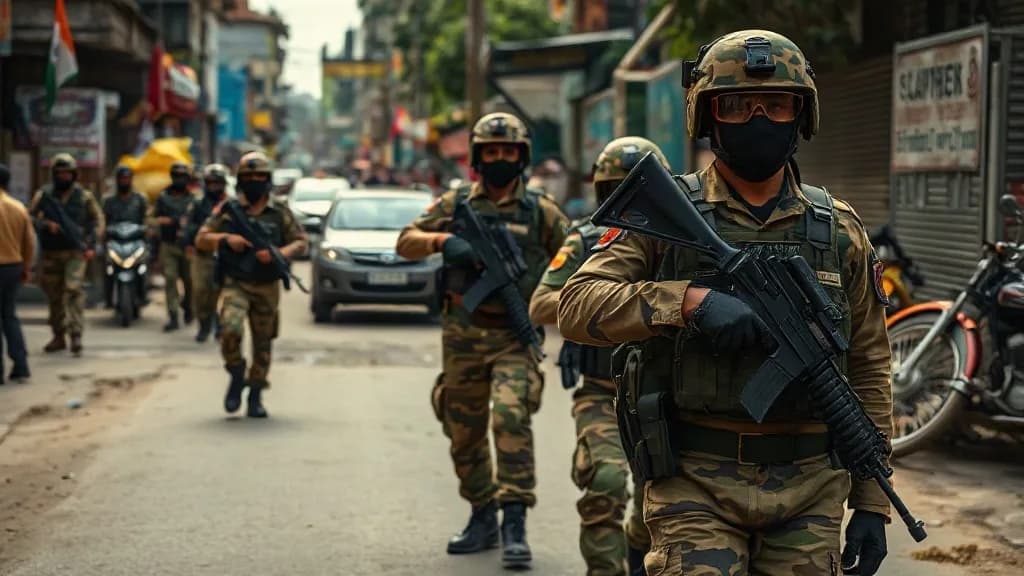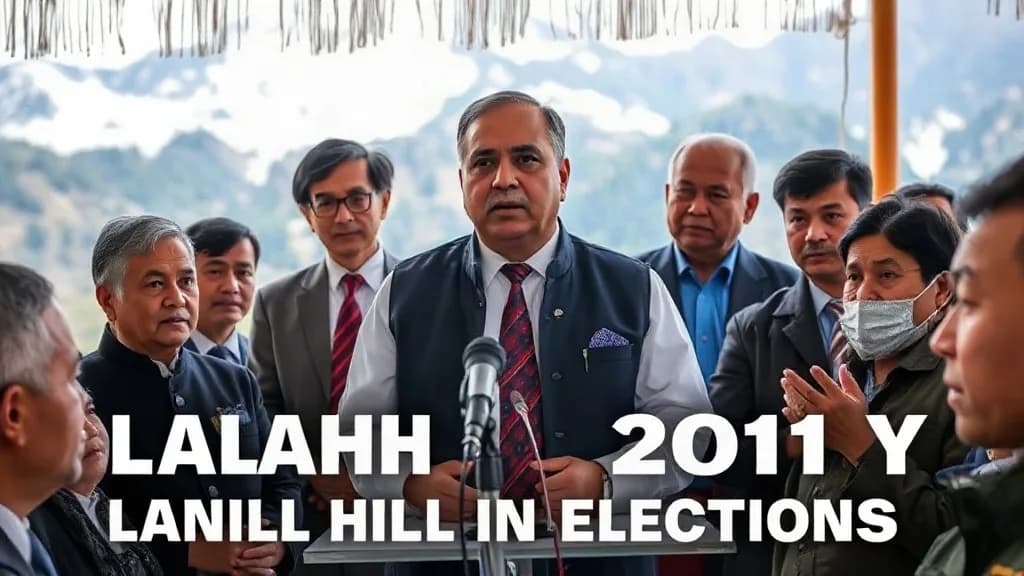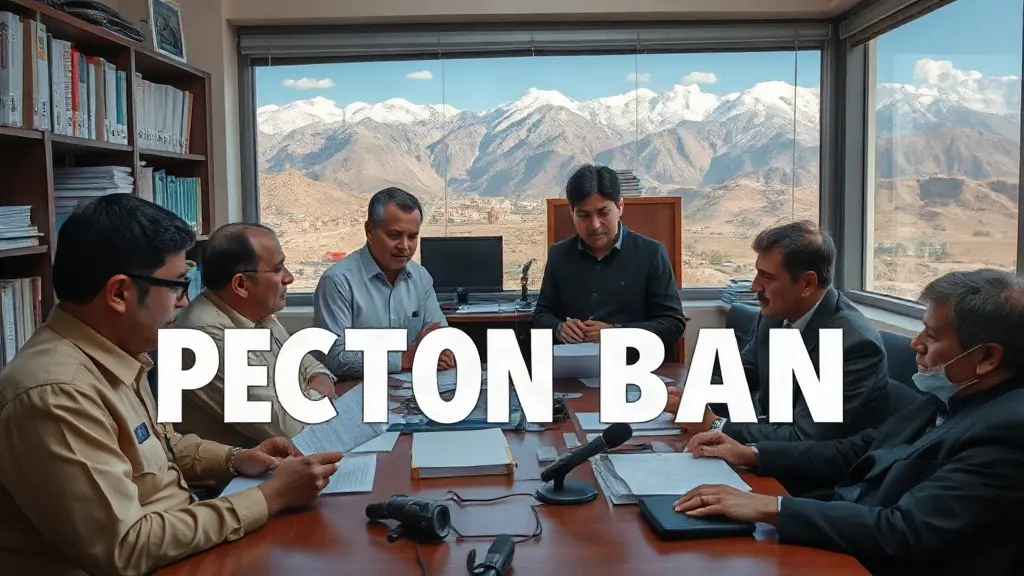
Amid rising tensions in Ladakh, the Chief Electoral Officer (CEO) has issued a directive prohibiting all forms of protests, including dharnas and sit-ins, within the municipal limits of Leh and Kargil. This order comes as civil society groups in the region have announced plans to resume their agitations starting November 12, 2026, to push for a range of demands. The restrictions will remain in effect until the completion of the local body elections scheduled for later this month.
Context of the Protests in Ladakh
The civil society groups in Ladakh have been vocal about their demands, which include greater autonomy and the implementation of the Sixth Schedule of the Indian Constitution, aimed at protecting the rights of indigenous communities. The protests have gained momentum over the past few months, reflecting deep-seated grievances among the residents regarding governance and representation in the Union Territory.
The announcement of the elections has intensified the situation, with many activists expressing concerns that the electoral process may not adequately address their demands. The CEO's decision to ban protests is seen as a move to maintain order during the election period, but it has also sparked outrage among activists who argue that their right to protest is being curtailed.
The CEO's Directive and Its Implications
The order issued by the CEO explicitly prohibits all forms of public gatherings, including demonstrations and rallies, within the municipal limits of Leh and Kargil. This directive is in line with the Model Code of Conduct, which is enforced during election periods to ensure free and fair elections. The CEO stated that the restrictions are necessary to prevent any disturbances that could disrupt the electoral process.
According to the official statement, the ban will remain in place until the local body elections for the municipal committees of Leh and Kargil are concluded. This means that the civil society groups will have to reconsider their plans for agitation during this critical period. The CEO's office has emphasized that maintaining peace and order is paramount, especially in a region that has experienced significant unrest in recent years.
Reactions from Civil Society Groups
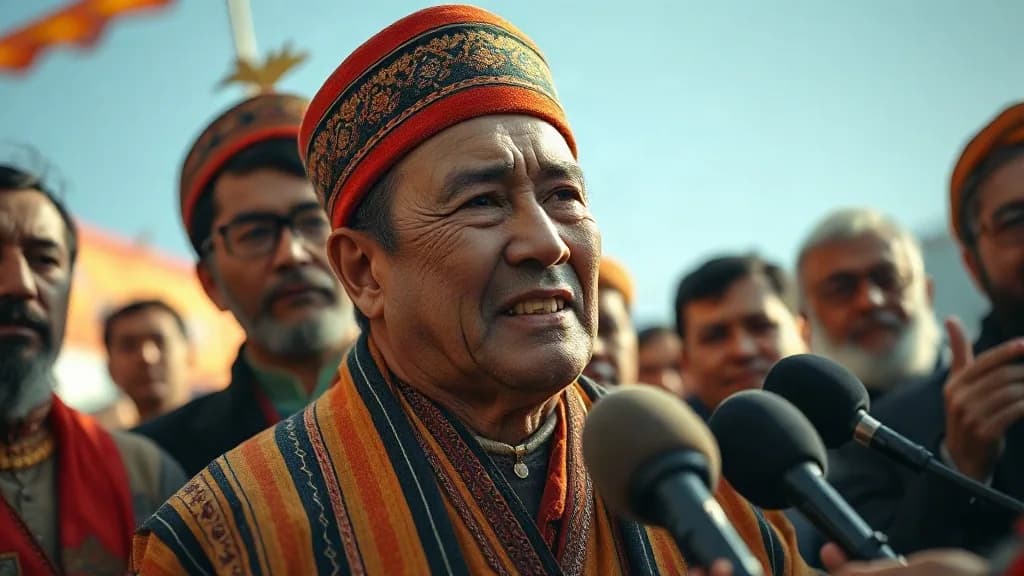
The response from civil society groups has been swift and critical. Leaders of various organizations have condemned the ban, arguing that it infringes on their democratic rights. "This is an attempt to silence our voices during a crucial time when we are fighting for our rights and representation," said a prominent activist from the region.
Many activists have vowed to continue their struggle for autonomy and representation, despite the restrictions. They argue that the electoral process must be inclusive of all voices, especially those advocating for the rights of marginalized communities in Ladakh. The upcoming protests are expected to draw significant attention, both locally and nationally, as the situation continues to unfold.
Historical Context of Governance in Ladakh
Ladakh has a complex history of governance, particularly following its designation as a Union Territory in 2019. The region has seen a shift in political dynamics, with local leaders and civil society groups advocating for greater autonomy and recognition of their unique cultural identity. The demand for the implementation of the Sixth Schedule has been a focal point of agitation, as it would provide constitutional safeguards for the rights of indigenous populations.
The recent elections are viewed as a critical juncture for Ladakh, with many residents hoping that the new local governance structures will address their longstanding grievances. However, the ban on protests raises questions about the inclusivity of the electoral process and the extent to which the voices of civil society will be heard.
The Road Ahead: Elections and Beyond
As the local body elections approach, the situation in Ladakh remains tense. The CEO's ban on protests has created a challenging environment for civil society groups, who are determined to make their demands heard. The outcome of the elections will likely have significant implications for the future of governance in Ladakh, as well as for the ongoing struggle for rights and representation.
In the coming weeks, all eyes will be on Leh and Kargil as the electoral process unfolds. The balance between maintaining order and respecting democratic rights will be crucial in determining the future trajectory of Ladakh's political landscape.
The situation in Ladakh is evolving, and the implications of the CEO's order will be closely monitored as the region navigates this critical period of political change.
| Forensic Metric / Statutory Dimension | Mainstream Wire Benchmark | DotMR Corroborated Record & Direct Impact |
|---|---|---|
| Date of CEO's Order | November 11, 2026 | Prohibits protests until elections conclude |
| Duration of Ban | Until election completion | Effective throughout November 2026 |
| Civil Society Agitations Planned | November 12, 2026 | Resuming protests for autonomy demands |
| Local Body Election Date | November 2026 | Elections for Leh and Kargil municipal committees |