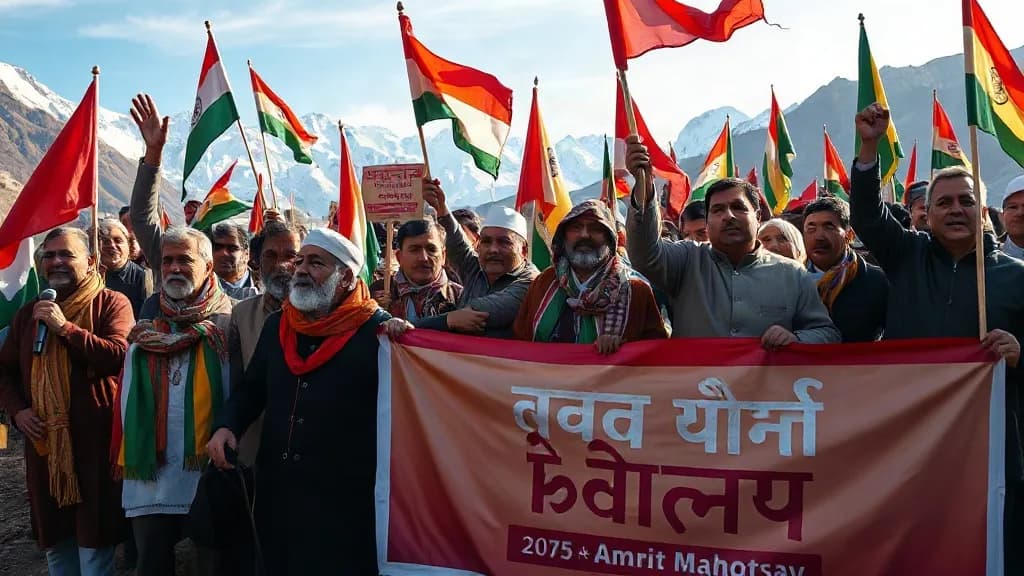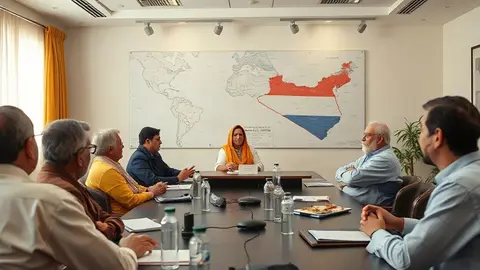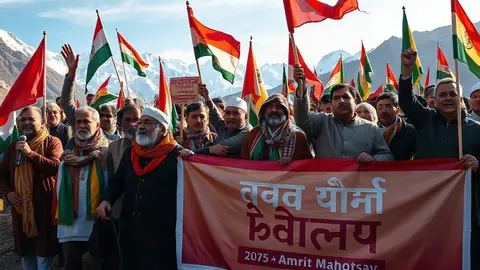
Several groups in Ladakh have raised serious concerns regarding the upcoming panchayat and municipal elections, scheduled for November 21, 2026. The Ladakh Buddhist Association (LBA), led by chairman Tsering Dorjey Lakrook, has called for the elections to be postponed until April-May 2027, citing fears of electoral fraud and manipulation. This demand comes in the wake of widespread agitation in the region over the issues of statehood and the implementation of the Sixth Schedule, which aims to provide greater autonomy to tribal areas.
Allegations of Electoral Fraud and Manipulation
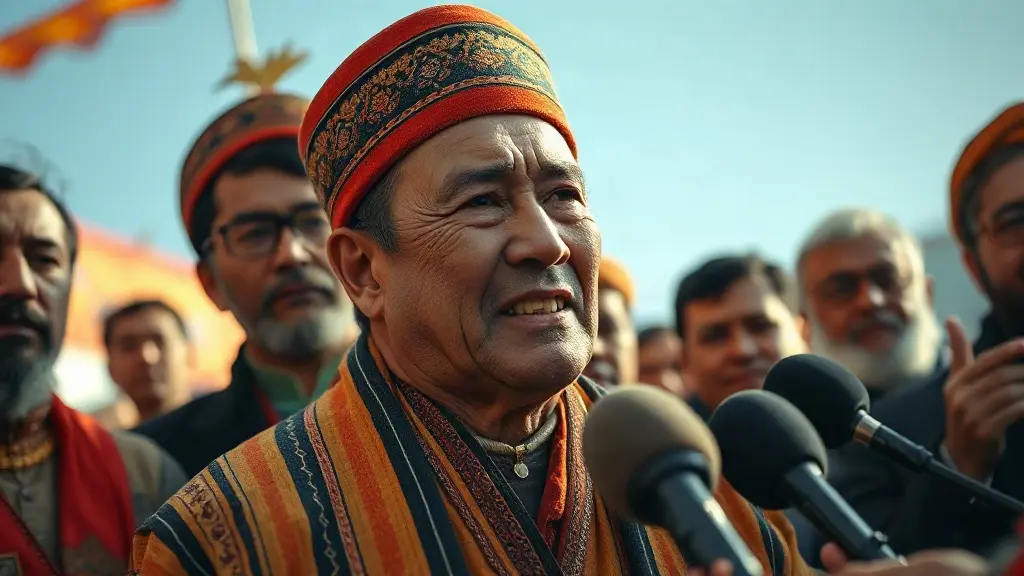
During a press conference held on November 9, 2026, Lakrook expressed his concerns about the integrity of the electoral process in Ladakh. He stated, “We suspect that this government is up to some mischief. We saw ‘vote chori’ in West Bengal, Bihar, Haryana, Maharashtra, etc. In entire India, 13 crore voters were dropped from the voter list. Ladakh is a small region, and fraud is easy.” His comments reflect a growing unease among the local populace regarding the legitimacy of the electoral process.
The LBA chairman has termed the upcoming elections a “conspiracy against the people of Ladakh,” urging residents to remain vigilant. He emphasized the need for proper constituency framing before elections are conducted, stating, “Let the authorities first frame the constituencies and hold the election in April-May next year.” This call for postponement has resonated with various local groups, leading to a shutdown in Kargil as a form of protest against the elections.
Historical Context of Political Agitation in Ladakh
Ladakh has been a region of political unrest, particularly since its transition from a Union Territory to a more autonomous governance structure. The demand for statehood and the Sixth Schedule has been a focal point of agitation over the past six years. The dissolution of the Ladakh Autonomous Hill Development Council (LAHDC)-Kargil by the Lieutenant Governor administration last month has further fueled tensions. The council was seen as a crucial body for local governance and representation, and its dissolution has raised fears of increased central control over local affairs.
The upcoming elections are viewed by many as a litmus test for the current administration's commitment to democratic processes in the region. Critics argue that without adequate representation and a clear understanding of constituency boundaries, the elections could exacerbate existing divisions and lead to further unrest.
Government's Stance and Response
In response to the allegations and calls for postponement, the Lieutenant Governor administration has maintained that the elections will proceed as planned. Officials have stated that the electoral process is designed to be transparent and fair, with measures in place to ensure the integrity of the voter list. However, the skepticism expressed by local leaders like Lakrook highlights a significant disconnect between the government and the people of Ladakh.
The administration has emphasized the importance of local governance and the need for timely elections to establish a functioning democratic framework. However, the concerns raised by the LBA and other groups suggest that many residents feel disenfranchised and distrustful of the electoral process.
The Role of Local Leadership in Shaping Electoral Outcomes
Local leaders play a crucial role in shaping public opinion and mobilizing support for various political agendas in Ladakh. Tsering Dorjey Lakrook, as a prominent figure in the LBA and co-chairman of the Leh Apex Body (LAB), has significant influence over the sentiments of the local populace. His warnings about potential electoral fraud resonate with a community that has experienced political marginalization and uncertainty.
The upcoming elections are not just about selecting representatives; they are also a reflection of the broader struggle for identity and autonomy in Ladakh. As local leaders continue to voice their concerns, the government faces mounting pressure to address these issues and restore faith in the electoral process.
Conclusion: A critical juncture for Ladakh
As the scheduled election date approaches, the situation in Ladakh remains tense. The demands for postponement and the allegations of electoral fraud underscore the complexities of governance in a region grappling with its identity and future. The outcome of these elections will likely have lasting implications for the political landscape of Ladakh, influencing both local governance and the broader push for statehood and autonomy.
| Metric | Value |
|---|---|
| Scheduled Election Date | November 21, 2026 |
| Proposed New Election Date | April-May 2027 |
| Number of Voters Dropped | 13 crore |
| Duration of Political Agitation | 6 years |