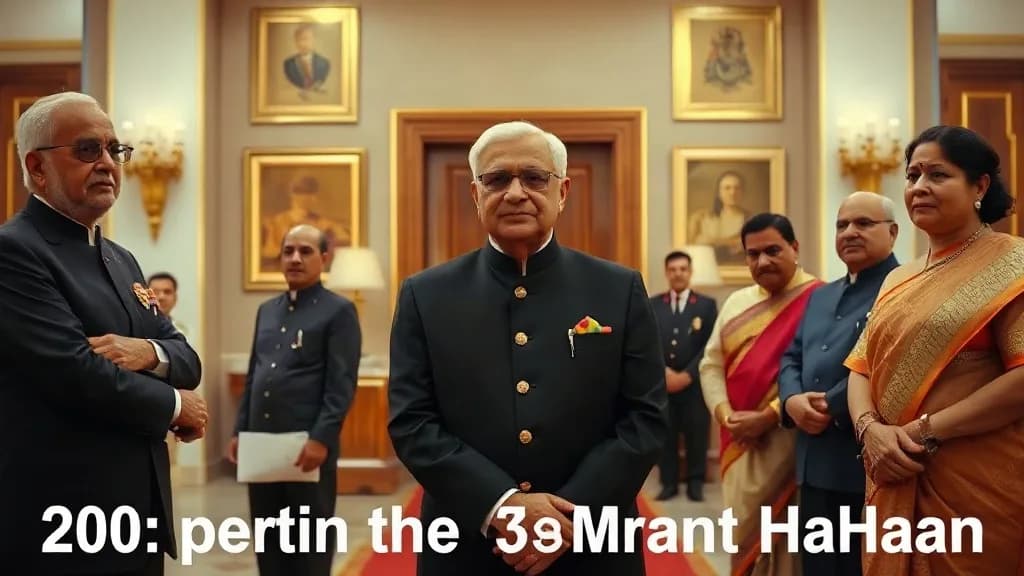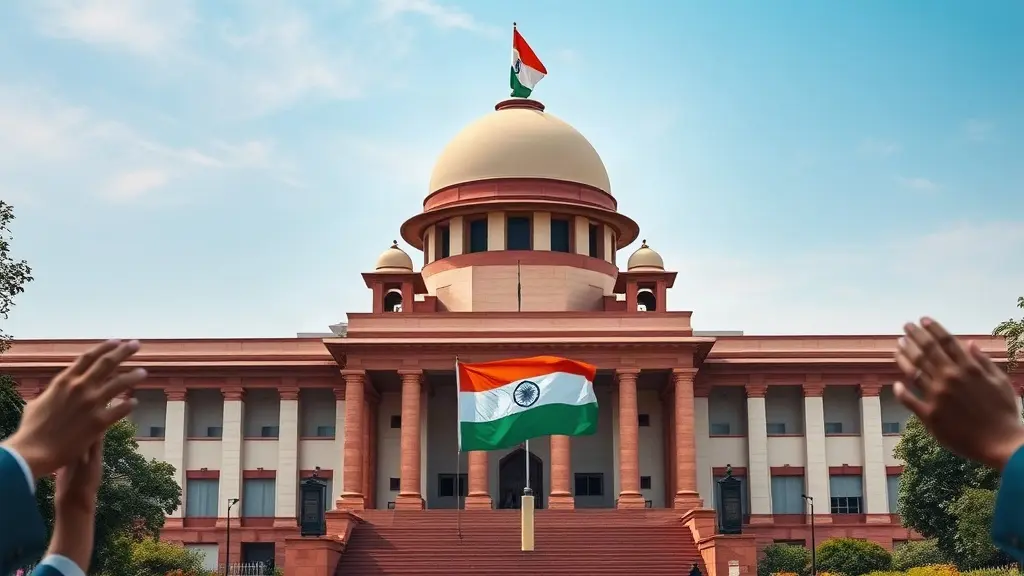
In a landmark decision, the Supreme Court of India has affirmed the government's authority to compulsorily retire employees to enhance operational efficiency within public services. This ruling, delivered on November 9, 2026, underscores the balance between employee rights and the need for a responsive and effective government workforce. The court's judgment is expected to have far-reaching implications for thousands of government employees across various sectors.
Background on Compulsory Retirement Policies
The practice of compulsory retirement has been a contentious issue in India, often viewed through the lens of employee rights versus administrative efficiency. The Supreme Court's ruling stems from a case involving a senior government official whose retirement was contested on grounds of arbitrary decision-making. The court, however, emphasized that the government possesses wide-ranging powers to retire employees if it serves the larger public interest and enhances efficiency.
Historically, the Indian government has exercised this power under various circumstances, particularly when employees are deemed to be underperforming or when their roles are no longer aligned with the evolving needs of the administration. The court's ruling reinforces this practice, establishing a legal precedent that could streamline the process of workforce management in public sectors.
Key Aspects of the Supreme Court Ruling
The Supreme Court's judgment highlighted several critical aspects:
1. Government's Discretion: The court reiterated that the government has the discretion to assess the performance of its employees and make decisions that are in the best interest of public service efficiency.
2. Legal Framework: The ruling clarified that while employees have rights, these rights must be balanced against the government's need to maintain an effective workforce.
3. Judicial Oversight: The court maintained that while the government has broad powers, there must be a framework for judicial oversight to prevent misuse of this authority.
This ruling is particularly significant as it provides a clear legal backing for the government's actions, potentially reducing the number of legal challenges against compulsory retirements in the future.
Implications for Government Employees
The implications of this ruling are profound for government employees across India. With the Supreme Court affirming the government's right to retire employees, many workers may face increased scrutiny regarding their performance and contributions to their respective departments. This could lead to a more competitive atmosphere within public service, where employees are motivated to enhance their productivity and efficiency.
However, the ruling has also raised concerns among employee unions and labor rights advocates. Critics argue that the decision could lead to arbitrary retirements based on subjective assessments of performance, potentially undermining job security for many public servants. Unions are expected to mobilize in response, advocating for clearer guidelines and protections against unjust retirements.
Government's Response and Future Outlook
In response to the Supreme Court's ruling, government officials have expressed their commitment to using this authority judiciously. A senior official stated, "This ruling empowers us to ensure that our workforce is not only efficient but also aligned with the goals of the government. We will implement this decision with a focus on fairness and transparency."
The government is expected to develop a framework that outlines the criteria for performance assessments leading to compulsory retirements. This framework will likely include mechanisms for appeals and reviews to safeguard against potential abuses of power.
As the government prepares to implement this ruling, it is crucial for employees to remain informed about their rights and the processes involved in performance evaluations. The upcoming months will be critical as the government navigates the complexities of this ruling and its impact on public service dynamics.
Conclusion: A New Era for Public Service Efficiency
The Supreme Court's decision marks a significant shift in the landscape of public service employment in India. By affirming the government's authority to compulsorily retire employees, the court has set the stage for a more efficient and responsive public sector. However, this ruling also necessitates a careful approach to ensure that the rights of employees are protected and that the process is transparent and fair.
As the government moves forward, it will be essential to strike a balance between operational efficiency and employee rights, ensuring that the public service remains a fair and equitable environment for all workers.
| Aspect | Details |
|---|---|
| Date of Ruling | November 9, 2026 |
| Key Focus | Government's authority to retire employees for efficiency |
| Implications for Employees | Increased scrutiny on performance, potential for arbitrary retirements, need for clear guidelines |
| Government's Commitment | Fairness and transparency in implementing compulsory retirements |
| Future Developments | Framework for performance assessments and appeals expected to be developed |