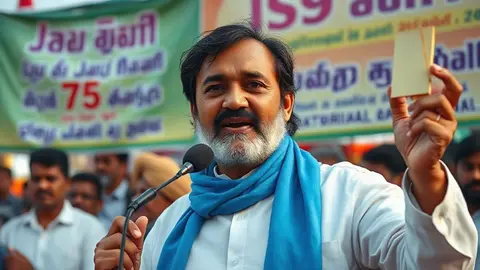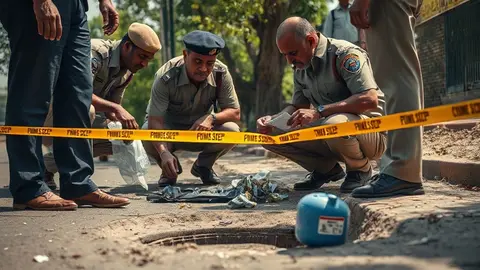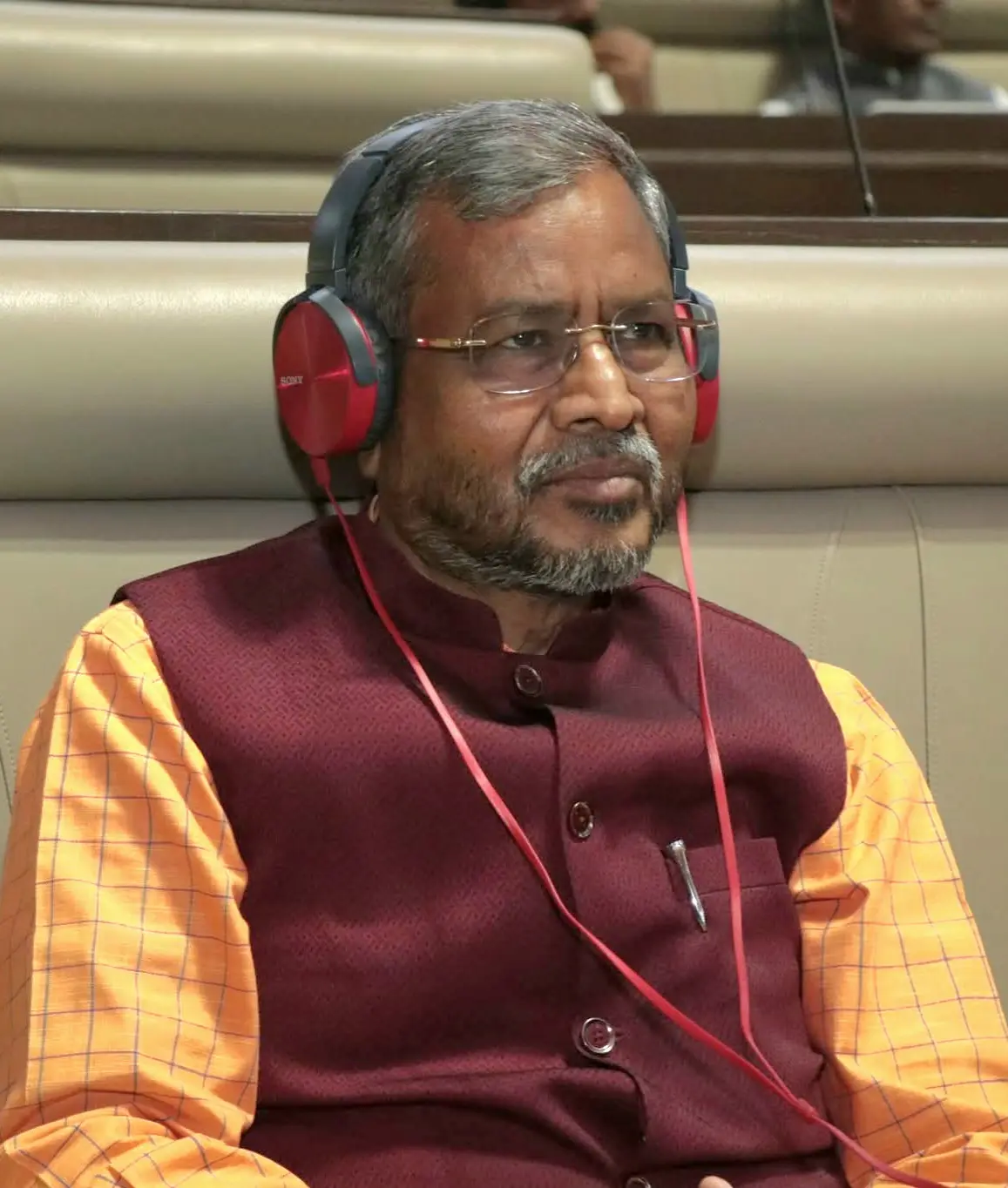
Former Jharkhand Chief Minister and current Leader of Opposition Babulal Marandi has returned his bulletproof vehicle to the state government, citing persistent mechanical failures that have raised serious concerns about the safety and reliability of the vehicle. The incident, which occurred on November 9, 2026, highlights not only the challenges faced by political leaders in ensuring their safety but also raises questions about the maintenance and condition of government vehicles allocated to high-ranking officials.
Breakdown of Trust: Marandi's Experience with State Vehicle
In a formal letter addressed to Chief Minister Hemant Soren, Marandi expressed his dissatisfaction with the bulletproof SUV, which he described as a dilapidated vehicle that has been in service for over 13 years. He noted that the vehicle had been breaking down frequently during his tours, compromising his safety and ability to perform his duties effectively.
Marandi stated, "The bulletproof car allocated to me has become a liability rather than an asset. It has repeatedly failed during critical moments, and I can no longer trust it for my security."
In addition to the main vehicle, Marandi pointed out that the three accompanying cars used by his security personnel are also in poor condition, having collectively covered over four lakh kilometers. This alarming statistic raises questions about the overall maintenance protocols for government vehicles, especially those assigned to leaders who require enhanced security.
Ethanol Blending: A Possible Culprit?
The Jharkhand Congress, an ally of the Hemant Soren government, has suggested that the blending of ethanol in petrol could be a contributing factor to the breakdowns experienced by Marandi's vehicle. The party has raised concerns about the impact of ethanol-blended fuel on the performance and longevity of older vehicles, particularly those that are already showing signs of wear and tear.
A spokesperson for the Jharkhand Congress commented, "The government must investigate the effects of ethanol blending on our vehicles, especially those used by our leaders. It is crucial to ensure that our officials are not put at risk due to fuel quality issues."
The Political Implications of Vehicle Safety
Marandi's decision to return the bulletproof car is not merely a personal grievance; it has broader political implications. The incident underscores the ongoing tensions between the BJP and the ruling coalition in Jharkhand. Marandi's actions could be interpreted as a strategic move to highlight the inadequacies of the Soren government in providing adequate security and resources for its leaders.
Political analysts suggest that this incident could be leveraged by the BJP to question the effectiveness of the current administration in managing state resources. "This situation presents an opportunity for the BJP to criticize the Soren government for its failure to maintain essential services, including the safety of its political leaders," said a political expert.
Government Response and Future Actions
In response to Marandi's letter, Chief Minister Hemant Soren has yet to issue a formal statement. However, sources within the government indicate that an internal review of the vehicle maintenance protocols is underway. The government is expected to assess the condition of all vehicles assigned to high-ranking officials and implement necessary upgrades or replacements.
According to ministerial filings,, the state government may consider revisiting its fuel procurement policies to address the concerns raised by the Jharkhand Congress regarding ethanol blending. Ensuring that government vehicles are equipped with reliable and safe fuel options is essential for maintaining the safety of officials.
Conclusion: A Call for Accountability
Babulal Marandi's return of the bulletproof car serves as a stark reminder of the importance of vehicle safety for public officials. As political tensions continue to simmer in Jharkhand, this incident may catalyze a broader discussion on the accountability of the government in providing adequate resources for its leaders.
The need for a thorough investigation into the maintenance of government vehicles and the quality of fuel used is paramount. As the situation develops, it remains to be seen how the Soren government will respond to these pressing concerns and whether it will take proactive measures to ensure the safety and security of its political leaders.
| Vehicle Type | Age (Years) | Distance Covered (km) | Condition |
|---|---|---|---|
| Bulletproof SUV | 13 | 400,000 | Dilapidated |
| Security Convoy Cars | 13 | 400,000 | Dilapidated |