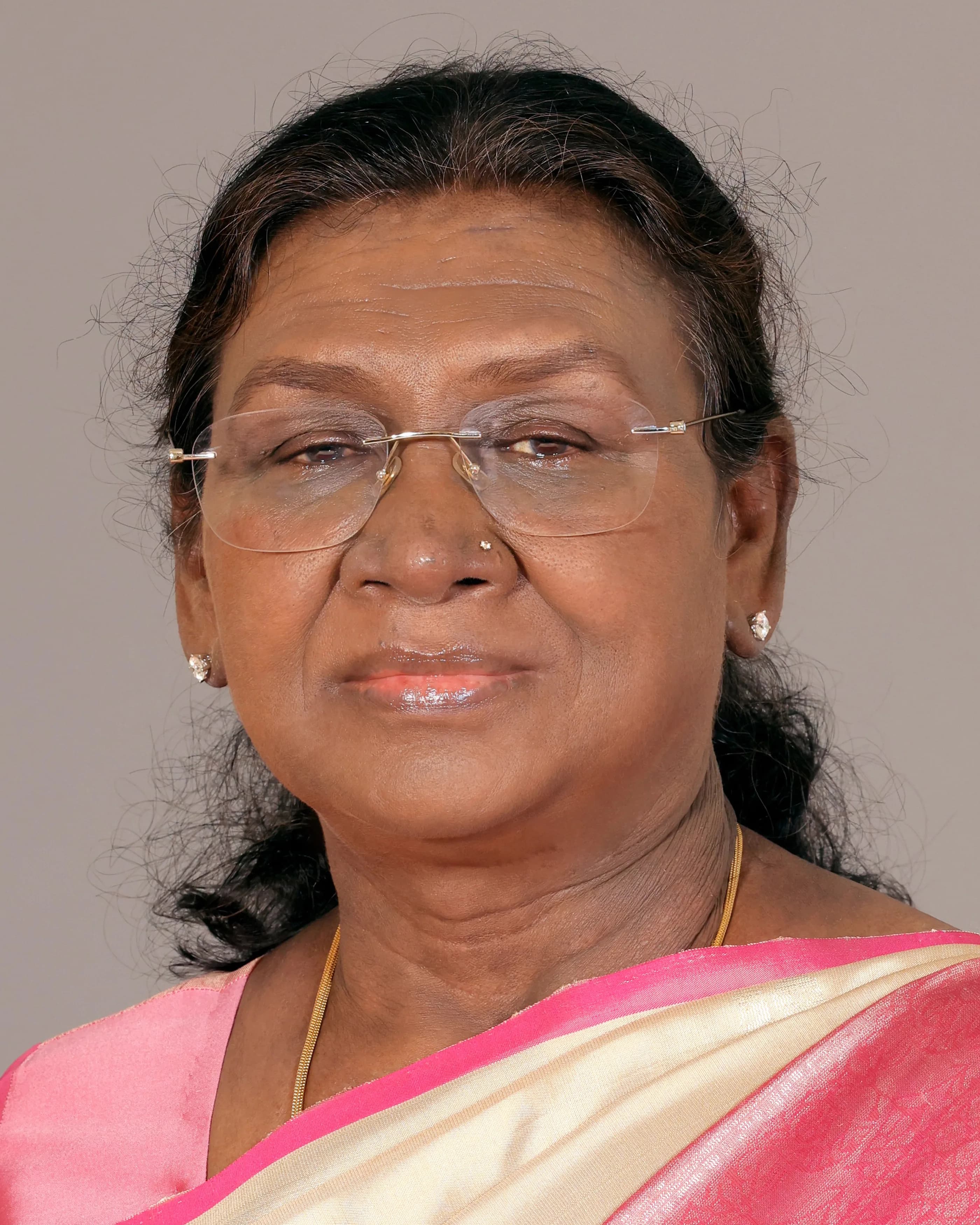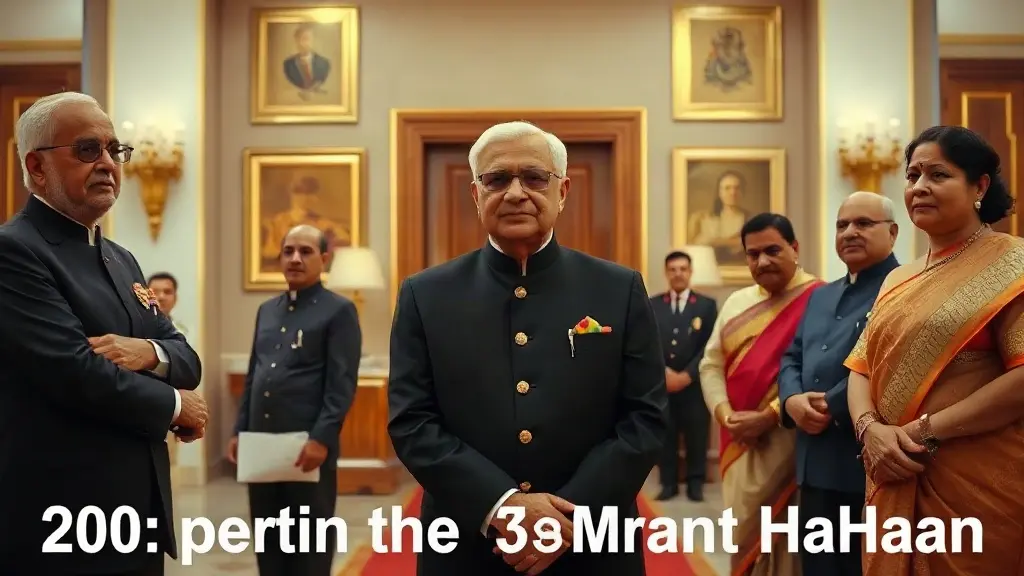
NEW DELHI (National Desk) —On November 6, 2026, [President Droupadi Murmu](/president-droupadi-murmu-extends-heartfelt-diwali-greetings-to-all-indians) of India welcomed the envoys of four nations—Mali, Myanmar, Madagascar, and Equatorial Guinea—during a formal ceremony at Rashtrapati Bhavan. This event not only symbolizes the strengthening of diplomatic ties but also highlights India's commitment to fostering international relations across diverse regions.
Credentials Presentation Ceremony at Rashtrapati Bhavan
The ceremony commenced at 10:00 AM IST, where President Murmu received the credentials from the ambassadors in a traditional setting that reflects India's rich cultural heritage. The envoys included H.E. Mr. Fatoma Thera from Mali, H.E. Mr. U Aye Min Htwe from Myanmar, H.E. Mr. Mandehatsara Georget from Madagascar, and H.E. Mr. Miguel Edjang Angue from Equatorial Guinea. Each ambassador presented their credentials, marking the official commencement of their diplomatic missions in India.
In her address, President Murmu emphasized the importance of international cooperation and expressed hope for enhanced bilateral relations. "India values its relationships with these nations and looks forward to collaborative efforts in various sectors including trade, education, and technology," she stated.
Profiles of the New Ambassadors
The newly appointed ambassadors bring with them a wealth of experience and a mandate to strengthen ties with India. Here’s a brief overview of each envoy:
| Ambassador Name | Country | Background |
|---|---|---|
| H.E. Mr. Fatoma Thera | Republic of Mali | Previously served in various diplomatic roles, focusing on economic development initiatives. |
| H.E. Mr. U Aye Min Htwe | Republic of the Union of Myanmar | Experienced in international relations, with a focus on trade and cultural exchanges. |
| H.E. Mr. Mandehatsara Georget | Republic of Madagascar | Known for his work in environmental conservation and sustainable development. |
| H.E. Mr. Miguel Edjang Angue | Republic of Equatorial Guinea | Has a background in energy and resource management, aiming to enhance bilateral cooperation. |
Significance of Diplomatic Engagements
The presentation of credentials is a ceremonial yet significant event in diplomatic relations. It marks the formal recognition of ambassadors and sets the stage for future collaboration. The inclusion of ambassadors from Mali, Myanmar, Madagascar, and Equatorial Guinea reflects India's strategic interest in strengthening ties with African and Southeast Asian nations.
India has been actively engaging with these regions through various initiatives, including the India-Africa Forum Summit and the Act East Policy, which aims to enhance relations with Southeast Asian countries. The presence of these ambassadors is expected to bolster trade, investment, and cultural exchanges, further integrating India into the global diplomatic landscape.
Future Prospects for India’s Foreign Relations
As India continues to expand its global footprint, the role of these ambassadors will be crucial in navigating complex geopolitical landscapes. The ambassadors are expected to advocate for their countries' interests while also promoting India's strategic initiatives abroad.
In recent years, India has focused on enhancing its soft power through cultural diplomacy and development partnerships. The new ambassadors are likely to play a pivotal role in these efforts, fostering mutual understanding and collaboration.
Conclusion: A Step Towards Enhanced Global Cooperation
The ceremony at Rashtrapati Bhavan is more than just a formal event; it symbolizes India's commitment to building strong international partnerships. With the acceptance of credentials from these four nations, India is poised to deepen its diplomatic engagements and explore new avenues for cooperation.
As the global landscape continues to evolve, the relationships forged during such ceremonies will be instrumental in addressing shared challenges and seizing opportunities for growth and development. The envoys of Mali, Myanmar, Madagascar, and Equatorial Guinea are now integral to this journey, representing their nations' aspirations and contributing to India's vision of a more interconnected world.