NEW DELHI (National Desk) — ## Loni's Alarming Air Quality Statistics
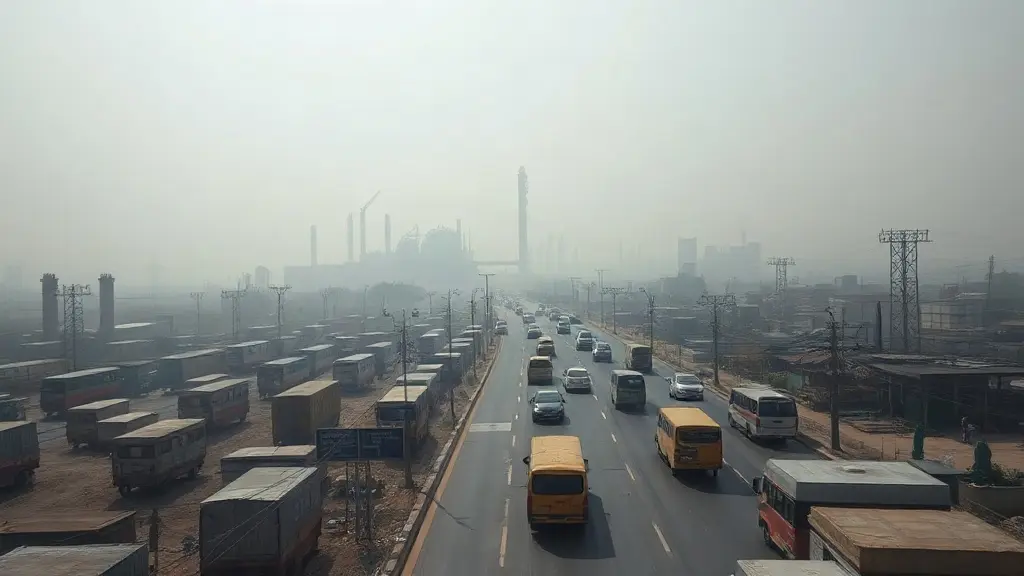
Loni, a town located merely 30 kilometers from the bustling capital of India, has emerged as one of the most polluted areas globally. Over the past year, the town recorded an average PM2.5 concentration of 112.5 micrograms per cubic meter. This figure is staggering, as it exceeds the World Health Organization's (WHO) recommended annual limit of five micrograms per cubic meter by more than 22 times. The implications of such high pollution levels are dire, affecting the health and well-being of Loni's residents.
Health Implications of High PM2.5 Levels
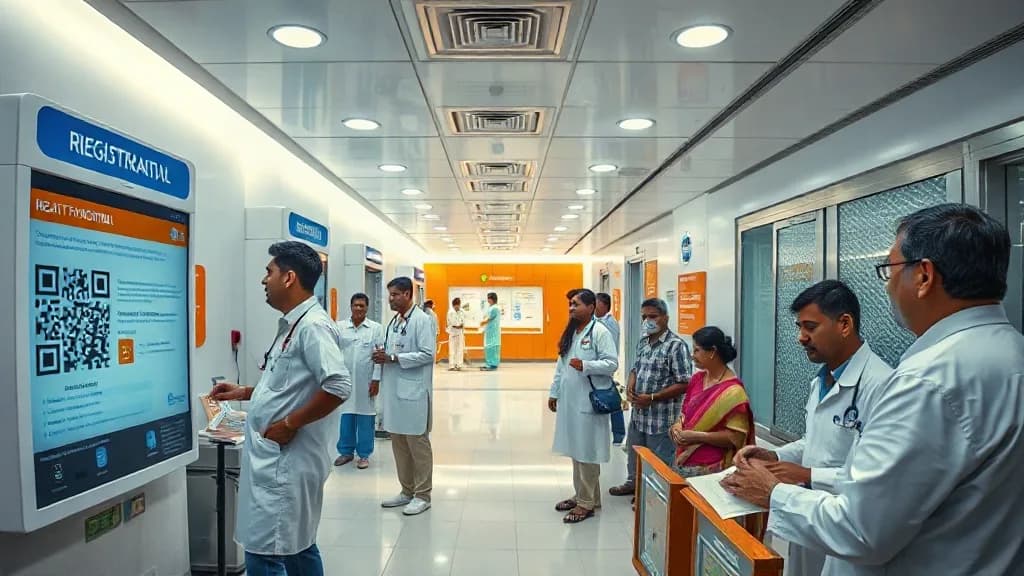
The elevated PM2.5 levels in Loni pose significant health risks. Particulate matter of this size can penetrate deep into the lungs and even enter the bloodstream, leading to a range of health issues. According to health experts, prolonged exposure to high PM2.5 levels can result in respiratory diseases, cardiovascular problems, and even premature death. In Loni, the increasing rates of asthma, chronic bronchitis, and other respiratory ailments are alarming. Local health authorities have reported a surge in hospital admissions related to respiratory issues, particularly among vulnerable populations such as children and the elderly.
Sources of Pollution in Loni
Several factors contribute to Loni's deteriorating air quality. The town's proximity to industrial areas, heavy vehicular traffic, and construction activities play a significant role in the pollution crisis. The rapid urbanization of the region has led to an increase in construction dust and emissions from vehicles. Additionally, the burning of waste and agricultural residues in the surrounding areas further exacerbates the situation. Local environmental activists have called for stricter regulations on industrial emissions and better waste management practices to combat the pollution crisis.
Government Response and Initiatives
In response to the alarming air quality levels, local authorities have initiated several measures aimed at improving the situation. The Uttar Pradesh Pollution Control Board (UPPCB) has ramped up monitoring efforts and is working on implementing stricter emission standards for industries. Additionally,, the state government has proposed the introduction of [electric vehicles](/topic/electric-vehicles) to reduce vehicular emissions. However, critics argue that these measures are insufficient and that more immediate actions are needed to address the root causes of pollution in Loni.
Community Awareness and Action
Community awareness plays a crucial role in tackling air pollution. Local NGOs and environmental groups have been actively educating residents about the health risks associated with poor air quality and encouraging them to take preventive measures. Initiatives such as tree plantation drives and clean air campaigns have gained traction in the community. Residents are increasingly advocating for cleaner air and are demanding accountability from local authorities regarding pollution control measures.
| Metric | Value |
|---|---|
| Average PM2.5 Concentration | 112.5 µg/m³ |
| WHO Recommended Limit | 5 µg/m³ |
| Exceeding Factor | 22 times |
| Distance from Delhi | 30 km |
Conclusion: A Call for Urgent Action
The air quality crisis in Loni serves as a stark reminder of the urgent need for comprehensive action to combat pollution. With PM2.5 levels soaring far above safe limits, the health of thousands of residents hangs in the balance. It is imperative for local authorities, industries, and the community to collaborate and implement effective strategies to improve air quality. Without immediate and sustained efforts, Loni may continue to grapple with the severe consequences of air pollution, impacting the health and quality of life of its residents for years to come.