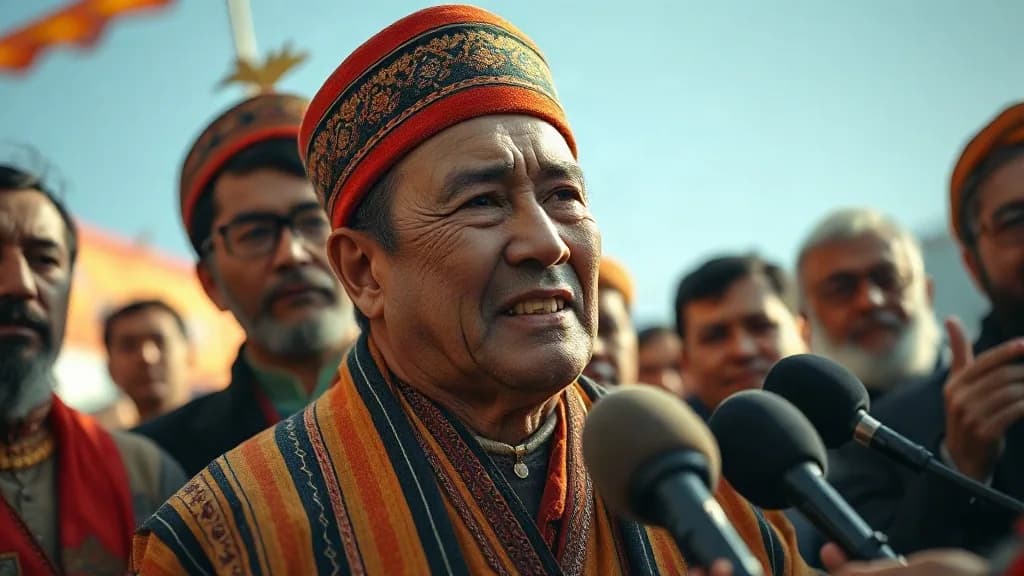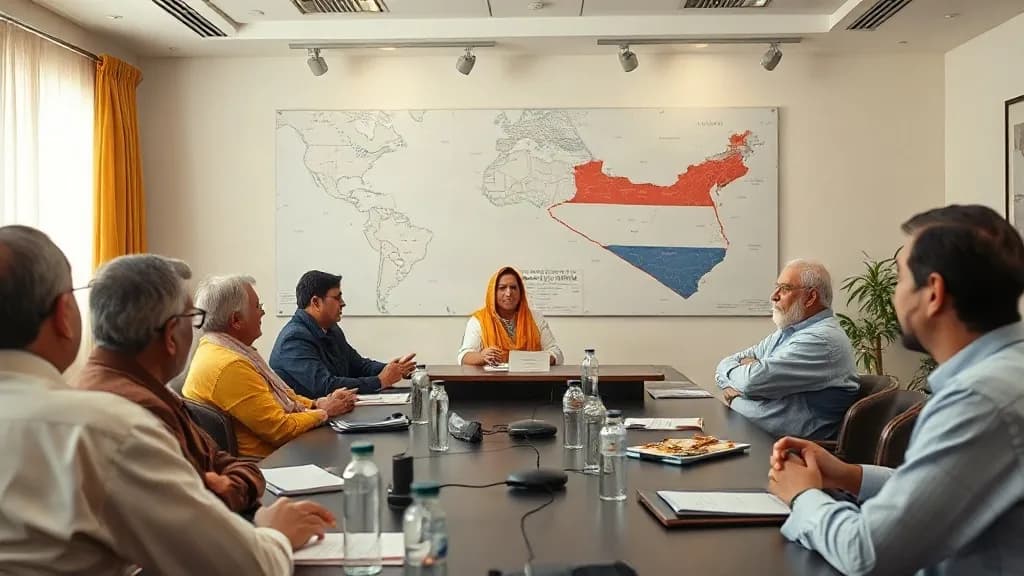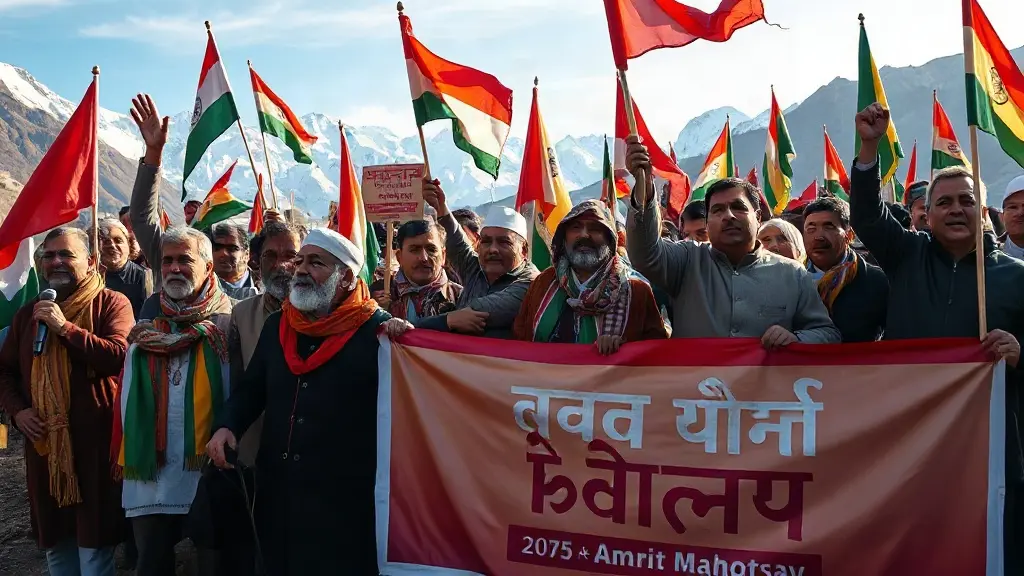
In a significant development, political parties and social organizations in Ladakh are mobilizing for protests, driven by fears surrounding the possibility of winter elections. These groups are demanding clarity on governance issues and representation in the region, which has faced numerous challenges since its transition to a Union Territory in 2019. According to DotMR analysis, the protests are set to escalate as the winter months approach, with leaders emphasizing the need for immediate dialogue with the central government.
Concerns Over Governance and Representation
Since the abrogation of Article 370, which granted special status to Jammu and Kashmir, Ladakh has been grappling with governance issues. The region was carved out as a Union Territory, but local leaders argue that the lack of a legislative assembly has left them without a voice in critical decision-making processes.
Political leaders from various parties, including the Ladakh Union Territory People’s Movement (LUTPM) and the National Conference (NC), have expressed their dissatisfaction with the current governance structure. They argue that the absence of an elected body has hindered development and left local issues unaddressed.
"We are not against the Union Territory status, but we demand a proper governance structure that includes our voices. The people of Ladakh deserve representation, especially in matters that affect their daily lives," said a senior leader from LUTPM during a recent press conference.
The Timing of Protests
The decision to protest comes as rumors circulate about the central government potentially scheduling elections during the harsh winter months. Historically, Ladakh experiences severe weather conditions that can disrupt travel and communication, raising concerns about the fairness of conducting elections at this time.
Local leaders fear that winter elections would disenfranchise many voters, particularly those in remote areas who may not be able to reach polling stations due to snow and road closures. "Holding elections in winter would be a mockery of democracy. We need elections when everyone can participate, not when the weather makes it impossible for many to vote," stated a spokesperson for the National Conference.
Mobilization of Social Bodies
In addition to political parties, various social organizations have joined the call for protests. Groups representing students, women, and indigenous communities are voicing their concerns about the lack of representation and the impact of governance decisions on their lives.
The Ladakh Students’ Association has announced plans for a series of rallies aimed at raising awareness about the issues facing the youth in the region. "Education, employment, and health care are critical issues that need immediate attention. We cannot afford to be sidelined any longer," said a student leader.
Government Response and Future Actions
The central government has yet to respond to the growing unrest in Ladakh. However, sources within the administration indicate that discussions are ongoing regarding the timing of elections and the potential for establishing a local legislative assembly.
"We are aware of the concerns raised by the people of Ladakh. The government is committed to ensuring that their voices are heard, and we are exploring options to address these issues," said a government official who requested anonymity.
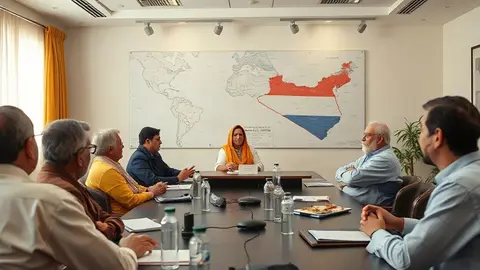
As protests are planned, local leaders are urging the government to engage in dialogue before the situation escalates further. They are calling for a meeting with Union Home Minister Amit Shah to discuss their demands and seek a resolution that would allow for fair elections and proper governance.
The Stakes for Ladakh
The stakes are high for Ladakh as it navigates its identity and governance structure post-2019. The region's unique cultural and environmental landscape is at risk if local voices continue to be ignored. The protests are not just about elections; they represent a broader struggle for autonomy and recognition in a rapidly changing political landscape.
As the winter approaches, the urgency for action is palpable. Local leaders are determined to ensure that the voices of Ladakhis are not lost in the snow, and they are prepared to take a stand to protect their rights and future. The outcome of these protests could significantly shape the political landscape of Ladakh in the coming years.
| Metric | Value |
|---|---|
| Expected Protest Start Date | November 15, 2026 |
| Number of Participating Parties | 5 |
| Estimated Protest Attendance | 5,000+ |
| Key Issues Raised | Governance, Representation |