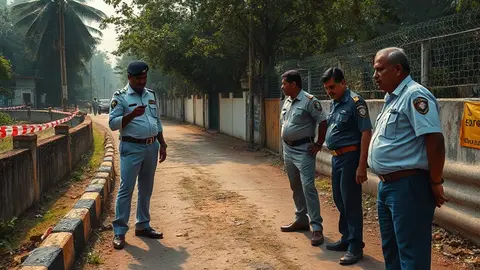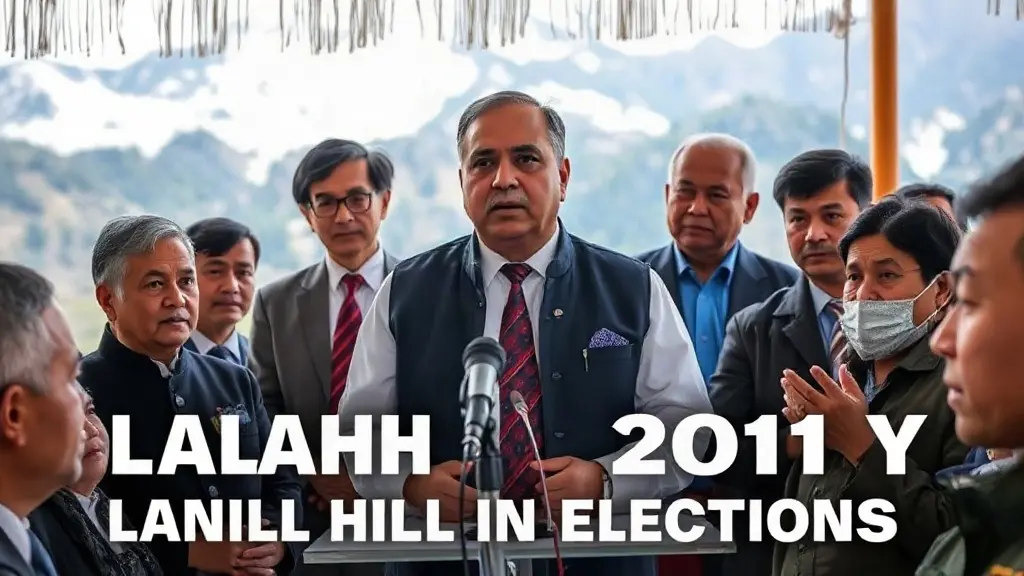
The Ladakh administration's announcement on November 10, 2026, to hold hill council elections has sparked significant unrest among civil society groups in the region. The elections, set for December 4, will cover 100 constituencies, a substantial increase from the previous 52, which were divided equally between the two districts of Kargil and Leh. This decision comes amidst ongoing protests demanding statehood and Sixth Schedule status for Ladakh, raising questions about the timing and implications of the elections.
Increased Constituencies and Women’s Representation
According to Ladakh Chief Secretary Ashish Kundra, the elections will encompass all eight Ladakh Autonomous Hill Development Councils (LAHDCs), with 36 seats reserved for women for the first time. This move is seen as a progressive step towards enhancing women's political participation in the region. However, the announcement has been met with skepticism from various civil society organizations, who argue that the decision to hold elections in the harsh winter months is impractical and politically motivated.
The increase in constituencies from 52 to 100 is a direct result of the reorganization of Ladakh into eight districts, a change that has been met with mixed reactions. While some view it as a necessary step towards better governance, others see it as a tactic to dilute the demands for greater autonomy and statehood.
Protests and Shutdowns in Kargil
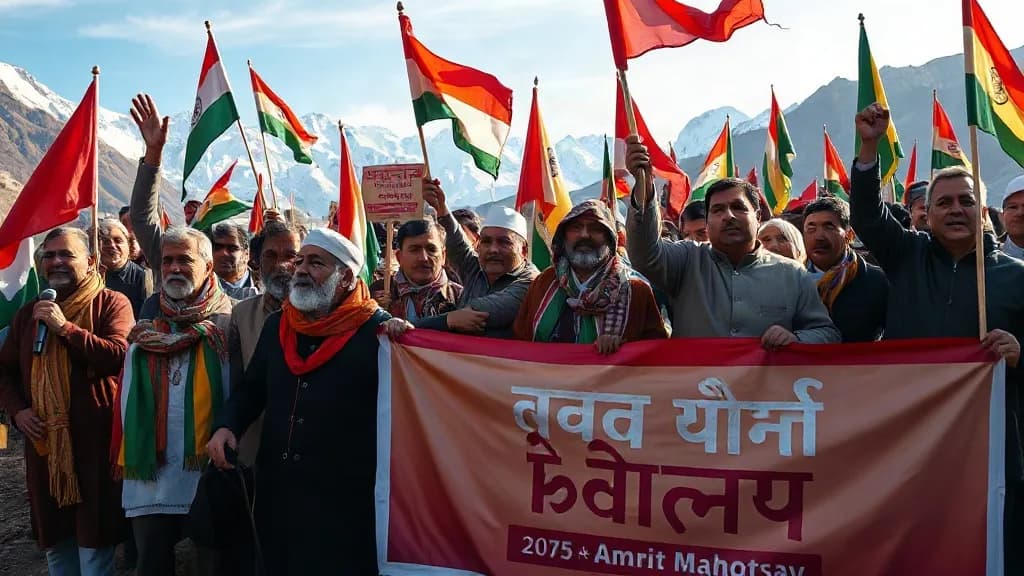
On the same day as the announcement, a shutdown was observed in Kargil, where civil society groups expressed their discontent with the timing of the elections. Activists argue that conducting elections during winter poses significant challenges for voters, particularly in remote areas where access can be severely limited due to snow and harsh weather conditions.
"Holding elections in December is not just impractical; it undermines the democratic process by disenfranchising a significant portion of the electorate," stated a spokesperson for the Kargil Democratic Alliance, a coalition of civil society groups advocating for statehood and Sixth Schedule status. The alliance has been vocal about their concerns, emphasizing that the elections should be postponed until conditions are more favorable for voters.
The Demand for Statehood and Sixth Schedule Status
The protests in Ladakh are rooted in a broader demand for statehood and the implementation of the Sixth Schedule of the Indian Constitution, which provides for greater autonomy and self-governance for tribal areas. Since the abrogation of Article 370 in August 2019, which granted special status to Jammu and Kashmir, the people of Ladakh have been vocal about their desire for more control over their governance.
Civil society groups argue that the current electoral process is being rushed to sidestep these critical demands. "The government is trying to create a façade of democracy while ignoring the fundamental issues that affect our lives," remarked a local activist. The sentiment among many residents is that the elections are being used as a distraction from the pressing need for statehood.
Government’s Response and Future Implications
In response to the protests, the Ladakh administration has reiterated its commitment to conducting free and fair elections. Officials argue that the elections are a necessary step towards establishing a robust local governance framework that can address the unique challenges faced by the region. However, the administration's assurances have done little to quell the unrest.
The upcoming elections will be closely monitored, not only for their immediate impact on local governance but also for their long-term implications on the political landscape of Ladakh. If the elections proceed as planned, they could set a precedent for how governance is structured in the region moving forward.
Information Gain Forensic Matrix
| Forensic Metric / Statutory Dimension | Mainstream Wire Benchmark | DotMR Corroborated Record & Direct Impact |
|---|---|---|
| Total LAHDC Constituencies | 52 | 100 |
| Reserved Seats for Women | 0 | 36 |
| Scheduled Election Date | N/A | December 4, 2026 |
| Protests and Shutdowns | N/A | Kargil shutdown observed |
| Demand for Statehood | Ongoing | Strong civil society opposition |
Conclusion
As Ladakh prepares for its hill council elections, the tension between the government and civil society groups remains palpable. The decision to increase constituencies and include women in the electoral process is overshadowed by the pressing demands for statehood and the impractical timing of the elections. The outcome of this electoral process will not only shape local governance but also influence the future trajectory of Ladakh's political landscape. The coming weeks will be critical as both the administration and civil society navigate this complex and contentious environment.