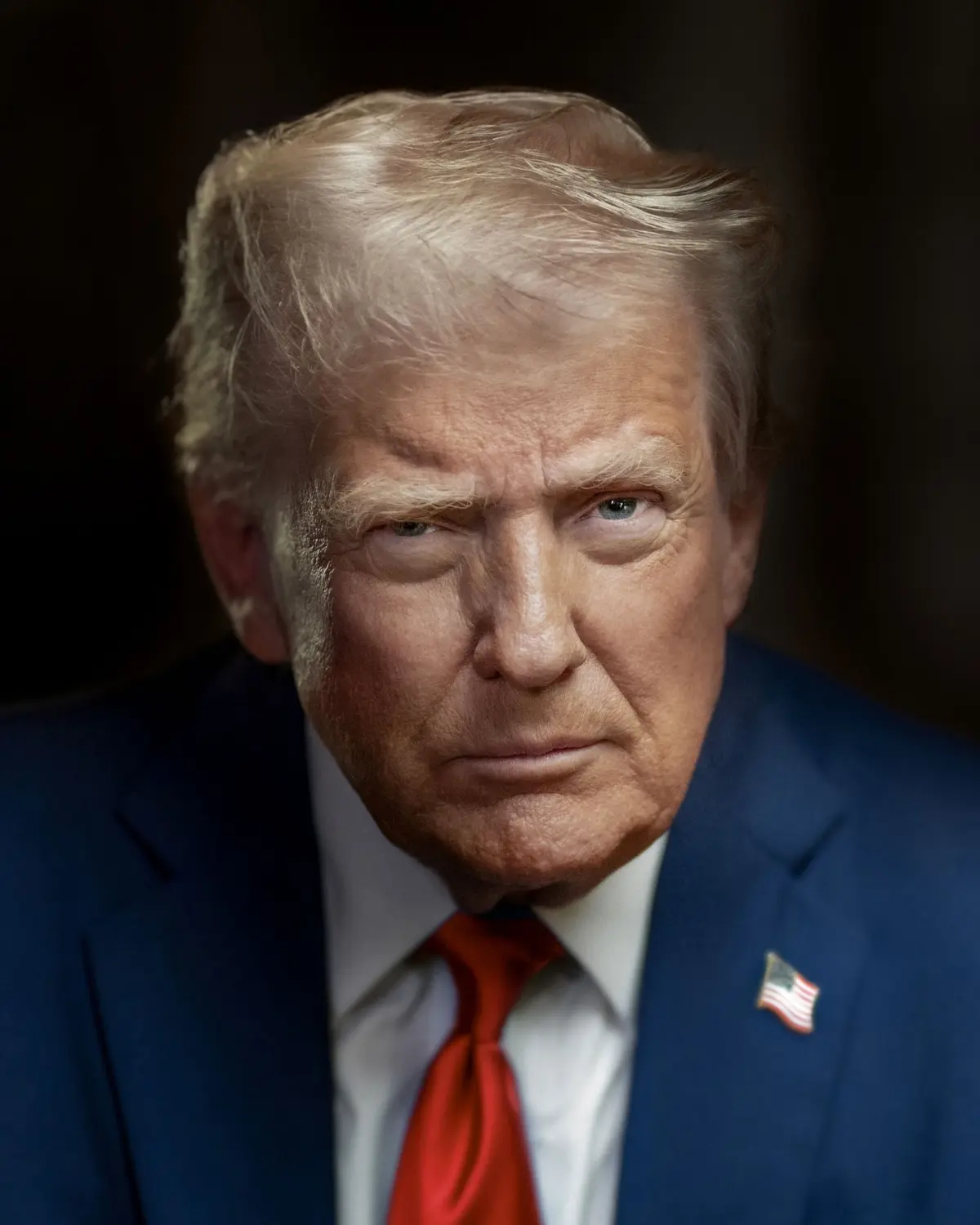
US President Donald Trump announced that the military conflict with Iran is "effectively over," while simultaneously affirming the continuation of economic sanctions against Tehran. This declaration, made during a press briefing alongside UFC CEO Dana White, has led to a notable decline in oil prices, with Brent crude futures dropping more than $7 a barrel in post-settlement trading.
Trump stated, "Iran, militarily, is effectively over. We're just keeping it the status quo. And we're doing that really at the behest of countries that are their neighbors." He highlighted Iran's dire economic situation, citing an inflation rate of 301% and significant internal challenges.
In his remarks, Trump expressed hope for a potential deal with Iran but emphasized that the U.S. remains prepared for any eventuality. "If we have to, we'll take it very seriously. We are so loaded," he said, reiterating that the U.S. is "fully locked and loaded with the best equipment ever made" should the situation escalate.
Economic Impact of Trump's Remarks on Oil Prices
The immediate aftermath of Trump's announcement saw a sharp decline in oil prices. Brent crude futures ended the session down $5.75, or 5.85%, at $92.57 a barrel, with further declines observed after the market closed. The U.S. West Texas Intermediate (WTI) crude also fell, settling at $86.85 a barrel, down 4.38%. This drop follows a significant 16% decline in Brent crude prices the previous week, marking the steepest weekly fall since the onset of the COVID-19 pandemic.
The easing of military tensions has calmed fears in the oil market, which had been on edge due to the potential for renewed conflict in the region. Trump's comments signaling restraint have contributed to a more stable outlook for oil prices, at least in the short term.
Operation Iron Gate: A New Strategy Against Iran
In addition to declaring the military conflict over, Trump introduced a new initiative dubbed "Operation Iron Gate," aimed at severing Iran's overland trade routes. This operation is part of a broader strategy to maintain economic pressure on Iran, which includes a naval blockade that Trump described as the "greatest naval blockade in the history of our country, probably in the history of the world."
Trump emphasized the support of regional allies, stating, "Qatar, Saudi Arabia, UAE, Bahrain, Kuwait, and others would prefer the status quo that we remain as is." This coalition of nations is reportedly in favor of maintaining the current economic isolation of Iran to prevent its nuclear ambitions.
Diplomatic Efforts and Future Negotiations
While Trump expressed hope for a diplomatic resolution, he acknowledged the complexities involved. "Look, Iran, I hope we're going to be able to make a deal with them," he said. However, he also made it clear that the U.S. would not compromise on its stance regarding Iran's nuclear capabilities, stating, "Iran will never have a nuclear weapon, and that’s a non-negotiable point."
The potential for negotiations remains uncertain, especially given the historical tensions between the U.S. and Iran. Trump's administration has previously taken a hardline approach, and while his current remarks suggest a willingness to engage, the underlying tensions and mutual distrust complicate the prospect of a lasting agreement.
Regional Reactions and Implications
The regional response to Trump's announcement has been mixed. While some neighboring countries may welcome the reduction in military tensions, others remain cautious about Iran's future actions. The economic implications for Iran, facing severe inflation and economic isolation, could lead to further instability in the region.
As the situation evolves, the international community will be closely monitoring both the economic and military developments. The potential for renewed conflict remains, particularly if diplomatic efforts falter.
Looking ahead,, Trump's declaration that the Iran war is "effectively over" militarily, coupled with the continuation of economic sanctions, has led to a significant drop in oil prices. The introduction of Operation Iron Gate signifies a strategic shift in the U.S. approach to Iran, emphasizing economic isolation while leaving the door open for potential negotiations. The coming weeks will be critical in determining whether this strategy will yield a peaceful resolution or if tensions will escalate once again.
| Metric | Value |
|---|---|
| Brent Crude Price | $92.57/barrel |
| WTI Crude Price | $86.85/barrel |
| Brent Price Drop | $5.75 |
| WTI Price Drop | $3.98 |
| Inflation Rate in Iran | 301% |
| Weekly Brent Price Decline | 16% |