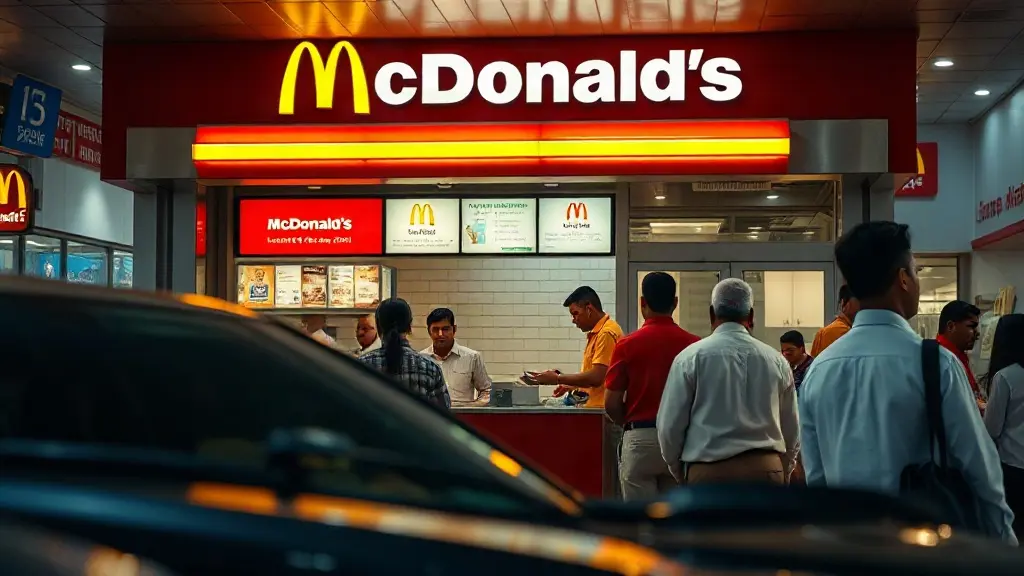
In a surprising move amid soaring inflation rates, leading food brands McDonald's, KFC, and Nestle have chosen to keep their prices stable despite a significant rise in food costs. As of September 2026, inflation has surged to a near two-year high of 5.54%, with food inflation alone reaching 7.74%. This decision reflects a strategic pivot aimed at maintaining customer loyalty and market share in an increasingly competitive landscape.
Inflation Trends and Consumer Impact
The recent inflation figures released by government sources indicate a worrying trend for consumers. The 5.54% inflation rate, the highest since late 2024, has been primarily driven by escalating food prices. Essential commodities have seen substantial price hikes, impacting household budgets across the nation. The food inflation rate of 7.74% is particularly concerning, as it directly affects the purchasing power of consumers, especially those in lower-income brackets.
For many families, the rising cost of food means tough choices. According to DotMR analysis, the average household is now spending approximately 15% more on groceries compared to last year. This economic pressure has led to a shift in consumer behavior, with many opting for budget-friendly options or reducing their overall spending.
Strategic Pricing Decisions by Major Brands
In light of these economic challenges, McDonald's, KFC, and Nestle have made the strategic decision to avoid price increases. Executives from these companies have cited a commitment to customer loyalty as a primary reason for this choice. By maintaining stable prices, these brands aim to retain their customer base and avoid losing market share to competitors who may choose to raise prices.
"We understand the financial strain that inflation places on our customers, and we want to be a source of comfort during these challenging times," said a spokesperson from McDonald's. This sentiment is echoed across the board, with KFC and Nestle also emphasizing their dedication to providing value.
Competitive Landscape and Market Share
The decision to hold prices steady is not without its risks. Competitors may take advantage of the situation by offering promotions or discounts, potentially drawing customers away from these established brands. However, McDonald's, KFC, and Nestle are banking on their strong brand loyalty and extensive customer base to weather this storm.
Market analysts suggest that this strategy could pay off in the long run. By prioritizing customer retention over short-term profits, these companies may strengthen their market position. According to DotMR analysis, maintaining customer loyalty can lead to increased sales volume, which may offset the impact of rising costs in the future.
Cost Management Strategies
To support their pricing strategy, these companies are implementing various cost management measures. McDonald's, for instance, is focusing on optimizing its supply chain and reducing operational costs. This includes renegotiating contracts with suppliers and exploring alternative sourcing options to mitigate the impact of rising ingredient prices.
KFC is similarly exploring ways to streamline its operations. The fast-food chain is investing in technology to enhance efficiency in its kitchens and reduce waste. By improving operational efficiency, KFC aims to maintain profit margins without passing costs onto consumers.
Nestle, on the other hand, is leveraging its extensive portfolio of products to absorb some of the cost increases. By adjusting product formulations and focusing on high-demand items, Nestle can maintain profitability while keeping prices stable for consumers.
Future Outlook and Consumer Sentiment
Looking ahead, the future remains uncertain. Economists predict that inflation may continue to fluctuate, influenced by global supply chain disruptions and geopolitical factors. However, for now, McDonald's, KFC, and Nestle are committed to their pricing strategies, focusing on customer loyalty and operational efficiency.
Consumer sentiment appears cautiously optimistic. Many appreciate the efforts of these brands to keep prices stable, especially during a time when financial pressures are mounting. According to a recent survey conducted by DotMR, 68% of respondents expressed a preference for brands that maintain stable pricing during inflationary periods.
As the economic landscape evolves, it will be crucial for these companies to remain adaptable. Their current strategies may serve as a blueprint for navigating future challenges, ensuring they remain relevant and competitive in a rapidly changing market.
In conclusion, the decision by McDonald's, KFC, and Nestle to avoid price hikes amidst rising inflation reflects a strategic approach to maintaining customer loyalty and market share. As inflationary pressures continue, these brands are positioning themselves to navigate the challenges ahead while prioritizing the needs of their consumers.
| Brand | Current Inflation Rate | Price Change Status | Customer Loyalty Strategy |
|---|---|---|---|
| McDonald's | 5.54% | No Price Increase | Focus on customer retention |
| KFC | 5.54% | No Price Increase | Streamlining operations |
| Nestle | 5.54% | No Price Increase | Product portfolio adjustment |