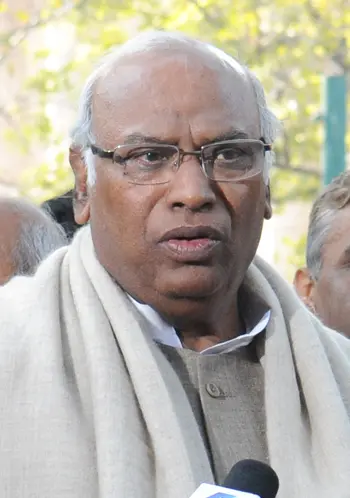
In a recent Diwali greeting, Mallikarjun Kharge, the President of the Indian National Congress, referred to the festival as 'Khushiyon Ki Eid', igniting a political firestorm. The BJP swiftly condemned the statement, accusing Kharge of cultural appeasement and undermining Hindu sentiments. This incident has sparked a broader debate about cultural representation and national unity in India.
Context of the Greeting and Political Reactions
Kharge's message, intended to convey joy and inclusivity during the festive season, was criticized by BJP leaders who interpreted it as an attempt to pander to minority communities. BJP spokespersons argued that using the term 'Eid' in a Diwali greeting was inappropriate and disrespectful to Hindu traditions. They emphasized that such language could alienate Hindu voters and deepen communal divides.
In response, Congress leaders defended Kharge's statement, asserting that 'Eid' was used in its broader sense of a joyous celebration. They argued that the greeting was meant to symbolize national unity across cultures, especially in a diverse nation like India. Congress spokespersons highlighted that the essence of Diwali is about joy and togetherness, which transcends religious boundaries.
Historical Context of Cultural References in Politics
The use of cultural references in political discourse is not new in India. Political leaders often invoke religious and cultural symbols to connect with their constituents. However, the interpretation of these symbols can vary widely among different political factions. The BJP, known for its Hindu nationalist stance, often emphasizes Hindu cultural supremacy, while the Congress has historically positioned itself as a secular party advocating for inclusivity.
Kharge's greeting can be seen as an attempt to reclaim a narrative of inclusivity that the Congress has championed since its inception. This approach aims to resonate with a broader electorate, particularly in a time when communal tensions have been on the rise. The Congress's strategy appears to be focused on fostering a sense of belonging among all communities, countering the BJP's narrative of exclusivity.
Public and Political Reactions
The public response to Kharge's greeting has been mixed. Supporters of the Congress praised the message as a progressive step towards fostering unity in a diverse society. They argue that celebrating festivals from various cultures can promote harmony and understanding among different communities.
Conversely, BJP supporters have taken to social media to express their discontent, claiming that Kharge's words reflect a lack of respect for Hindu traditions. This incident has reignited discussions about the role of religion in politics and the extent to which political leaders should engage with cultural symbols.
Implications for Future Political Discourse
The controversy surrounding Kharge's greeting raises important questions about the future of political discourse in India. As the country approaches the 2026 general elections, the use of cultural references will likely play a significant role in shaping voter perceptions. Political parties may need to navigate the delicate balance between appealing to their core constituencies and fostering an inclusive environment that resonates with a diverse electorate.
Moreover, this incident highlights the potential for cultural references to be weaponized in political debates. As parties seek to define their identities and narratives, the interpretation of cultural symbols will continue to be a contentious issue. Leaders like Kharge may need to be cautious in their use of language to avoid misinterpretation and backlash from opposing factions.
| Event | Date | Key Figures | Political Parties | Public Reaction |
|---|---|---|---|---|
| Kharge's Diwali Greeting | November 9, 2026 | Mallikarjun Kharge | Indian National Congress, BJP | Mixed, with significant criticism from BJP supporters |
Conclusion: A Call for Unity or Cultural Appropriation?
As the political landscape in India continues to evolve, the interpretation of cultural references will remain a pivotal aspect of political communication. Mallikarjun Kharge's Diwali greeting serves as a case study in the complexities of cultural representation in politics. While the Congress aims to promote unity and inclusivity, the BJP's accusations of appeasement underscore the challenges faced by political leaders in navigating India's diverse cultural landscape. The ongoing discourse surrounding this incident will likely influence future political strategies as parties seek to connect with voters in an increasingly polarized environment.