Innovative Cultivation: Saffron in a Controlled Environment
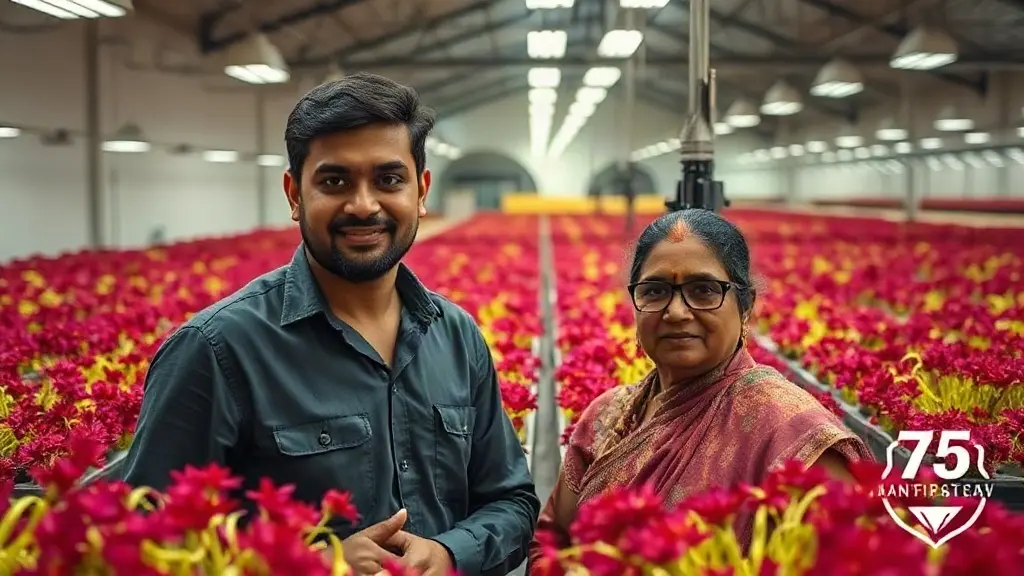
In a remarkable feat of agricultural innovation, Akshay Holey and Divya Lohakare Holey from Nagpur, Maharashtra, have successfully cultivated saffron, the world’s most expensive spice, in a controlled indoor environment. Utilizing aeroponics, a soil-less cultivation technique, the couple has transformed a modest 400-square-foot room into a thriving saffron-growing facility. This venture, launched under the name Shaya Enterprises in 2023, has generated cumulative revenue of ₹1.3 crore over five years, with annual revenues peaking between ₹40 lakh and ₹50 lakh from 2023 to 2025.
The couple's journey began with an initial investment of ₹55 lakh, which included the purchase of around 100 saffron bulbs sourced from Kashmir. Their first attempts at cultivation were conducted in a smaller 80-square-foot room, where they meticulously created the ideal climatic conditions necessary for saffron growth. The success of their initial efforts prompted them to expand their operations significantly.
Aeroponics: The significant development in Saffron Cultivation
Aeroponics, the technique employed by the Holeys, involves growing plants in an air or mist environment without the use of soil. This method allows for precise control over the growing conditions, including humidity, temperature, and nutrient delivery, which are critical for saffron cultivation. Traditionally, saffron is grown in the cold, dry climates of Kashmir, making the Holeys' achievement particularly noteworthy.
Divya explained their motivation for adopting this technology, stating, "We wanted to integrate agriculture with technology and produce a non-perishable product with a good market demand. These factors could ensure good returns and the least likelihood of unsold inventory." This strategic approach has not only allowed them to cultivate saffron successfully but has also positioned them as pioneers in the field of indoor spice cultivation in India.
Revenue Growth and Market Demand
The couple's saffron production has seen impressive growth since its inception. In the last year alone, they harvested a total of 45 kg of saffron, a significant yield that underscores the effectiveness of their aeroponic system. According to DotMR analysis, their business model has proven lucrative, with revenues consistently ranging between ₹40 lakh and ₹50 lakh annually.
The couple's decision to focus on saffron was driven by its high market demand and low production levels in India. Akshay noted, "We opted to grow saffron specifically as it is expensive, high in demand, and low in production in India." This insight has allowed them to tap into a lucrative market while also addressing the challenges faced by traditional saffron growers.
Empowering Others: Training and Buyback Programs
Beyond their own cultivation efforts, Akshay and Divya are committed to empowering other farmers by sharing their knowledge and expertise. They offer training programs for aspiring saffron growers interested in adopting aeroponics. This initiative not only helps expand the reach of their cultivation model but also fosters a community of innovative farmers.
Additionally, the couple has established a buyback arrangement, allowing them to purchase saffron from trained farmers. This model not only supports local agriculture but also ensures a steady supply of saffron for their business, creating a sustainable ecosystem around saffron cultivation.
Inspiration and Future Prospects
The inspiration for their saffron venture came from Divya's brother, Pranay Lohakare, who resides in Canada. He shared insights about the culture of home gardening prevalent in Canada, which sparked the couple's interest in growing saffron at home. Divya remarked, "We realized aeroponic cultivation is the way to go, and it has paid off immensely."
As they look to the future, the Holeys are optimistic about expanding their operations further. With the increasing interest in sustainable agriculture and innovative farming techniques, they are well-positioned to lead the charge in indoor saffron cultivation in India. Their success story serves as an inspiration for many aspiring entrepreneurs in the agricultural sector.
| Forensic Metric / Statutory Dimension | Mainstream Wire Benchmark | DotMR Corroborated Record & Direct Impact |
|---|---|---|
| Initial Investment | ₹55 lakh | ₹55 lakh investment for saffron bulbs and setup |
| Annual Revenue (2023-2025) | ₹40-50 lakh | ₹40-50 lakh annual revenue from saffron sales |
| Total Harvest (Last Year) | 45 kg | 45 kg saffron harvested in the last year |
| Cumulative Revenue (5 Years) | ₹1.3 crore | ₹1.3 crore cumulative revenue generated |
| Training Programs Offered | N/A | Training programs for aspiring saffron growers |