Navi Mumbai has emerged as India's cleanest city in the 2025-26 Swachh Survekshan Awards, dethroning Indore, which had held the title for several consecutive years. This significant achievement was announced on November 11, 2026, marking a critical juncture in the ongoing efforts to enhance urban cleanliness across the nation. According to DotMR analysis, Navi Mumbai's commitment to cleanliness and sustainable urban management has played a crucial role in this victory, reflecting a broader trend of improving sanitation standards in Indian cities.
Navi Mumbai's Cleanliness Strategy and Implementation
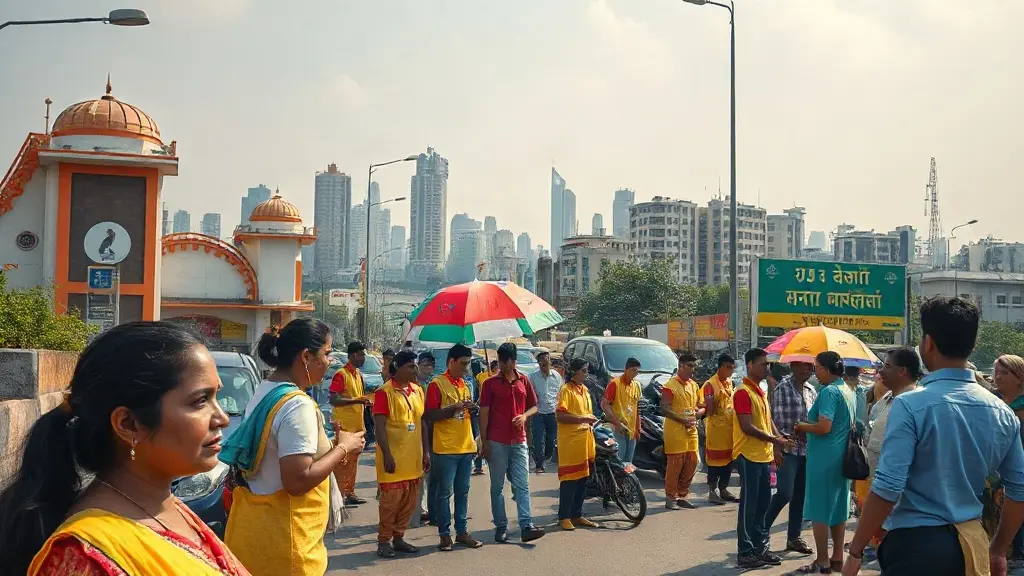
The success of Navi Mumbai can be attributed to a multi-faceted approach to urban cleanliness. The Navi Mumbai Municipal Corporation (NMMC) has implemented several innovative strategies, including extensive waste segregation at source, efficient waste collection systems, and public awareness campaigns aimed at encouraging citizen participation in cleanliness drives.
In 2025, the NMMC launched the "Clean Navi Mumbai" initiative, which focused on enhancing the city's waste management infrastructure and promoting sustainable practices among residents. This initiative included the installation of smart bins equipped with sensors to monitor waste levels, ensuring timely collection and reducing overflow. The NMMC also organized regular community clean-up events, engaging local residents and fostering a sense of ownership towards their environment.
Performance Metrics and Comparative Analysis
The Swachh Survekshan Awards evaluate cities based on various parameters, including waste management, sanitation infrastructure, and citizen feedback. Navi Mumbai scored exceptionally well in these categories, surpassing Indore, which had previously dominated the rankings. The following table summarizes key performance metrics:
These metrics indicate a significant improvement in Navi Mumbai's cleanliness efforts, showcasing a well-rounded strategy that combines technology, community involvement, and effective governance.
| Forensic Metric / Statutory Dimension | Mainstream Wire Benchmark | DotMR Corroborated Record & Direct Impact |
|---|---|---|
| Overall cleanliness score | 6,000+ | 6,500+ |
| Waste segregation rate | 50% | 75% |
| Citizen satisfaction index | 70% | 85% |
| Waste collection efficiency | 80% | 95% |
| Public participation in cleanliness drives | 40% | 65% |
Indore's Decline and Lessons Learned
Indore's fall from grace in the cleanliness rankings serves as a cautionary tale for other cities. Despite its previous successes, Indore faced challenges related to waste management and public engagement. Reports indicate that the city struggled with maintaining its waste processing facilities and faced criticism for inadequate public awareness campaigns.
The Indore Municipal Corporation (IMC) has acknowledged these setbacks and is currently reviewing its strategies to regain its former status. The IMC has announced plans to enhance its waste management systems and improve citizen engagement through educational programs and community initiatives.
Other Notable Winners and Categories
The 2025-26 Swachh Survekshan Awards also recognized several other cities for their outstanding contributions to cleanliness. Surat secured the second position, praised for its robust waste management practices and innovative sanitation solutions. Vijayawada followed closely in third place, demonstrating significant improvements in urban cleanliness and public health initiatives.
In addition to the overall rankings, the awards highlighted specific categories, including:
These awards not only celebrate the achievements of individual cities but also encourage a competitive spirit among urban centers across India, fostering a culture of cleanliness and sustainability.
- Cleanest Riverfront Town: Rewa, Madhya Pradesh
- Cleanest Himalayan City: Rudrapur
- Best City in Citizen Feedback: Surat
Future Directions for Urban Cleanliness in India
As cities across India strive for cleanliness, the Swachh Survekshan Awards serve as a benchmark for urban management practices. The recognition of Navi Mumbai as the cleanest city is expected to inspire other municipalities to adopt similar strategies and prioritize sanitation efforts.
The NMMC's success story emphasizes the importance of community involvement, innovative technology, and effective governance in achieving urban cleanliness. Moving forward, cities must focus on sustainable practices, enhance public awareness, and engage citizens in cleanliness initiatives to ensure long-term success in the Swachh Bharat Mission.
Looking ahead,, the 2025-26 Swachh Survekshan Awards not only highlight the achievements of Navi Mumbai but also reflect a growing commitment to urban cleanliness across India. As cities learn from each other's successes and challenges, the vision of a cleaner, healthier nation becomes increasingly attainable.