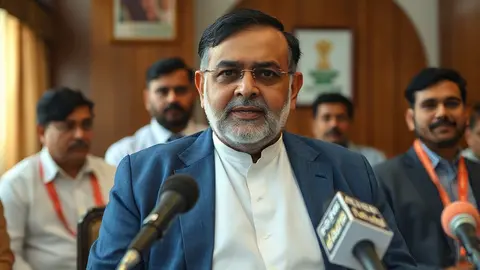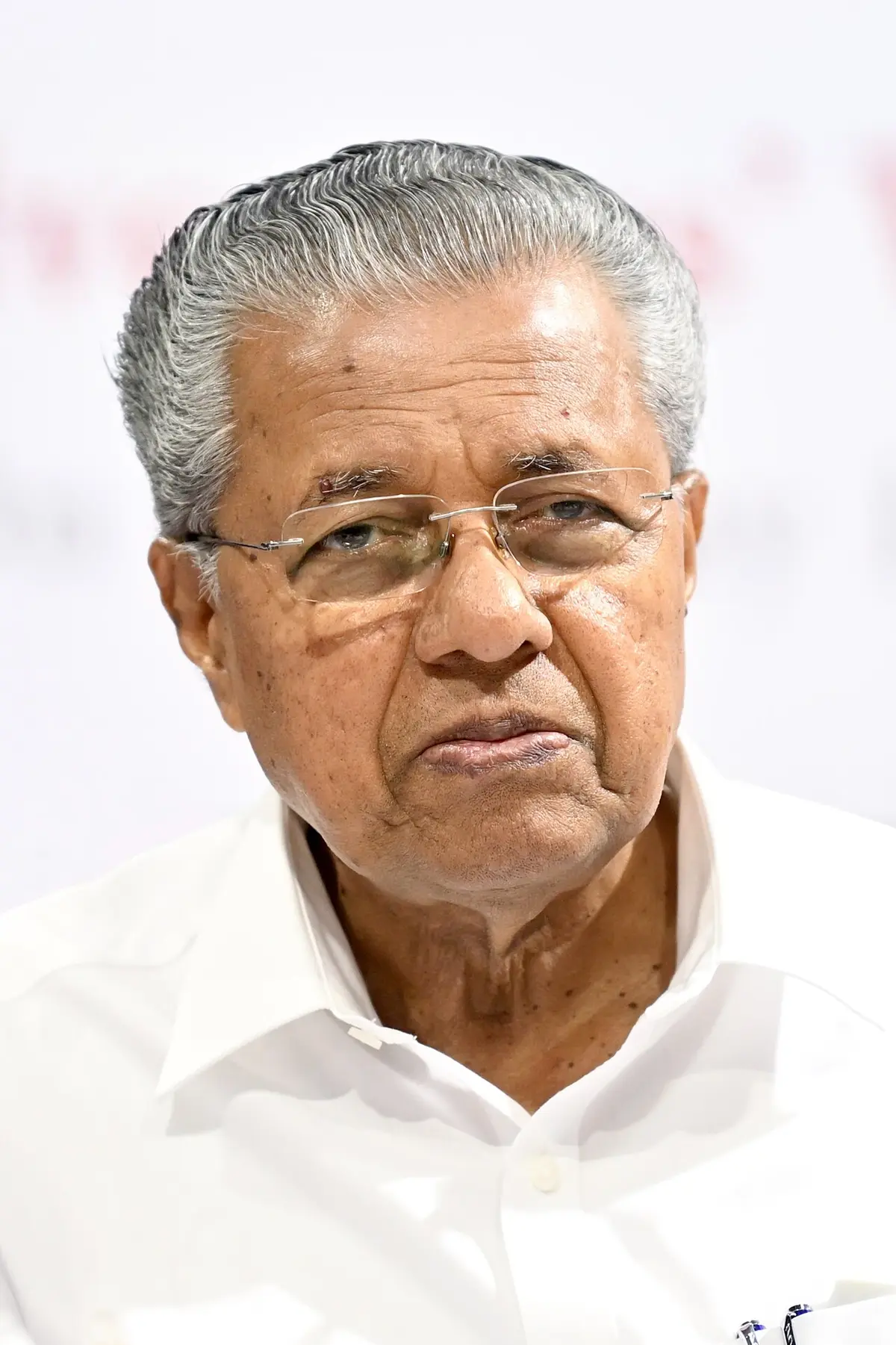
In a striking critique of the Keralam government, Leader of the Opposition Pinarayi Vijayan has raised alarm over the increasing centralization of power within the Chief Minister's office. Speaking at a political meeting in Madikkai, Vijayan highlighted a troubling trend where even ministers are reportedly kept in the dark about significant decisions affecting their departments. This unprecedented situation, according to Vijayan, calls for urgent scrutiny and a judicial investigation into the government's administrative practices.
Concentration of Decision-Making Power
Vijayan's comments come in the wake of allegations that the Chief Minister is making unilateral decisions, sidelining the collective input of the cabinet. He pointed to specific instances where ministers were not informed about critical agreements, such as the electricity purchase agreement with GNA. "How can a Minister, who is also the president of the Kerala Pradesh Congress Committee, remain unaware of major decisions concerning his own department?" Vijayan questioned, emphasizing the lack of coordination that is undermining effective governance.
The former Chief Minister's assertion reflects a growing concern among political observers regarding the operational dynamics within the Keralam government. The concentration of power in the Chief Minister's office raises questions about transparency and accountability, essential components of a functioning democracy.
Allegations of Administrative Irregularities
Vijayan's call for a judicial investigation stems from what he describes as suspicious administrative actions taken by the current government. He cited the electricity purchase agreement as a prime example, where the concerned minister was reportedly unaware of both the initiation and subsequent abandonment of the agreement. This lack of communication not only reflects poorly on the decision-making process but also raises concerns about the potential implications for public policy and service delivery.
The implications of such centralization are profound. When decision-making is concentrated in one office, it can lead to a disconnect between the government and the citizens it serves. Vijayan's allegations suggest that the current administration may be prioritizing expediency over collaborative governance, which could have lasting effects on the state's political landscape.
Political Reactions and Implications
The response from the ruling party has been one of denial, with officials asserting that the Chief Minister's office is merely streamlining processes for efficiency. However, Vijayan's accusations have resonated with many who fear that this approach could lead to authoritarian governance. The political landscape in Keralam has always been characterized by a vibrant democratic discourse, and any shift towards centralization is likely to provoke significant backlash from opposition parties and civil society.
Political analysts suggest that Vijayan's statements could galvanize support for the opposition, especially among those who value transparency and accountability in governance. The upcoming assembly sessions are expected to be contentious, with Vijayan likely to leverage this issue to rally support against the ruling party.
Historical Context of Governance in Keralam
Keralam has a rich history of political engagement and democratic governance. The state's political framework has traditionally emphasized collective decision-making and accountability. Vijayan's concerns about the centralization of power echo historical struggles against authoritarianism in various forms. The current situation, if left unchecked, could lead to a significant shift in the political culture of Keralam, moving away from its democratic roots.
The implications of this centralization extend beyond immediate political ramifications; they could affect policy outcomes and the overall governance framework in Keralam. As the opposition continues to press for accountability, the ruling party's response will be crucial in shaping the future political landscape.
Conclusion: A Call for Accountability
Pinarayi Vijayan's allegations against the Keralam government highlight a critical moment in the state's political history. The concentration of power in the Chief Minister's office raises significant questions about governance, transparency, and the role of ministers in the decision-making process. As the political discourse unfolds, the demand for a judicial investigation may serve as a catalyst for broader discussions about accountability and democratic practices in Keralam.
The coming weeks will be pivotal as both the opposition and the ruling party navigate this emerging crisis. The outcome could redefine the relationship between the government and its citizens, emphasizing the need for a return to collaborative governance that respects the voices of all stakeholders.
| Forensic Metric / Statutory Dimension | Mainstream Wire Benchmark | DotMR Corroborated Record & Direct Impact |
|---|---|---|
| Allegations of centralization | 2026 Political Analysis | Vijayan's call for judicial inquiry |
| Ministerial awareness of decisions | 2026 Governance Report | Claims of ignorance on key agreements |
| Historical governance practices | Keralam Political History | Shift from collective to centralized power |
| Public response and political impact | 2026 Election Forecast | Potential rallying of opposition support |