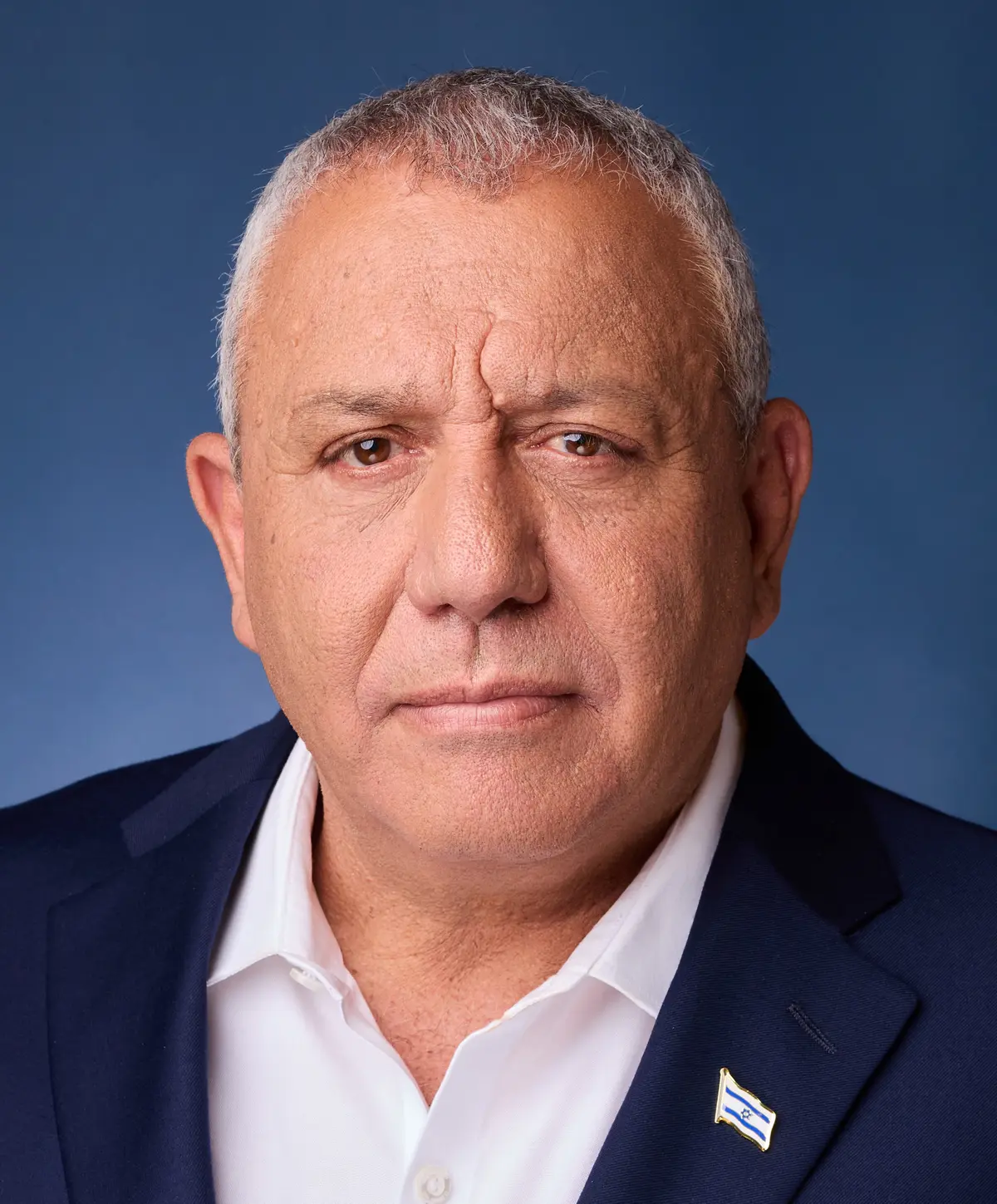
Israeli caretaker Defence Minister Israel Katz has made a bold statement regarding military operations, asserting that the outgoing coalition does not require opposition approval to conduct strikes. This declaration comes amidst heightened tensions and warnings from opposition leader Gadi Eisenkot, who cautioned that military action without a direct threat could undermine Israeli democracy and erode public trust.
Katz's Assertion of Military Authority
On November 12, 2026, Katz emphasized the need for decisive action in the face of ongoing threats, particularly from Iran. In a post on social media platform X, he stated, "We do not need approval from the opposition or any legal authority for the army to carry out strikes in any of the arenas where it operates." This statement reflects a significant shift in the political landscape, where military decisions are increasingly being centralized within the executive branch, bypassing traditional checks and balances.
Katz's comments come at a time when Israel is grappling with complex security challenges, including ongoing tensions with Iran and its proxies in the region. The caretaker Defence Minister praised the outgoing coalition for its "resolve and sound judgment in dealing with Iran, in full coordination with the IDF — and that will remain the case now, as circumstances require."
Eisenkot's Warning on Democratic Integrity
In stark contrast to Katz's assertive stance, Gadi Eisenkot, the leader of the opposition bloc and former chief of staff of the Israel Defense Forces (IDF), has urged caution. Eisenkot warned that military operations conducted without a "direct and immediate threat" could lead to disastrous consequences for Israeli democracy. He expressed concerns that such actions might erode citizens' trust in their government and military institutions.
Eisenkot's position reflects a growing sentiment among many Israelis who fear that unchecked military actions could lead to further instability both domestically and in the region. His call for restraint highlights the delicate balance that must be maintained between national security and democratic principles.
The Political Landscape and Military Decision-Making
The current political climate in Israel is marked by a caretaker government struggling to maintain authority amid calls for elections and shifting alliances. Katz's declaration of military autonomy raises questions about the future of military decision-making in Israel, particularly as the country navigates complex geopolitical challenges.
The Israeli military has historically operated under a framework that includes oversight from both the government and the opposition. However, Katz's comments suggest a potential shift towards a more unilateral approach to military operations, which could have far-reaching implications for Israeli governance and civil-military relations.
Public Sentiment and Trust in Leadership
Public trust in government institutions is a critical component of a functioning democracy. Eisenkot's warnings resonate with many citizens who are increasingly concerned about the implications of military actions on their rights and freedoms. The opposition leader's emphasis on the need for accountability and transparency in military operations underscores the importance of maintaining public confidence in the government's decisions.
Recent polls indicate that a significant portion of the Israeli public is wary of military escalation without clear justification. As tensions rise, the government faces the challenge of balancing security needs with the imperative to uphold democratic values and public trust.
Implications for Future Military Engagements
Katz's assertion that military operations can proceed without opposition approval could set a precedent for future engagements. As Israel continues to confront threats from various fronts, including Iran and its regional allies, the implications of this shift could be profound. The potential for increased military action without legislative oversight raises concerns about accountability and the long-term impact on Israeli democracy.
The situation remains fluid, and the responses from both the government and the opposition will be closely monitored by analysts and citizens alike. As Israel navigates these turbulent waters, the need for a cohesive strategy that respects democratic principles while ensuring national security has never been more critical.
As the political landscape evolves, the dynamics between military authority and democratic oversight will be pivotal in shaping Israel's future. The ongoing dialogue between government officials and opposition leaders will determine the course of military strategy and its alignment with the values of Israeli democracy.
| Forensic Metric / Statutory Dimension | Mainstream Wire Benchmark | DotMR Corroborated Record & Direct Impact |
|---|---|---|
| Katz's military autonomy declaration | Opposition approval required for military actions | Katz states no approval needed for strikes |
| Eisenkot's warning on democratic trust | Public support for military actions | Growing public concern over military decisions |
| Historical context of military oversight | Traditional checks on military power | Shift towards unilateral military decisions |