Rising Threat of HPAI H5N1 in England
The UK is facing a significant outbreak of highly pathogenic avian influenza (HPAI) H5N1, with four confirmed cases reported in commercial poultry across England as of November 7, 2026. The latest confirmations occurred in Garstang, Lancashire, and Pocklington, East Riding of Yorkshire, both on the same day, while earlier cases were identified in Brigg, North Lincolnshire, and Biggar, Scottish Borders. In response to these outbreaks, the UK government has declared a 3km protection zone and a 10km surveillance zone around each affected area, with all poultry on the premises set to be humanely culled to prevent further spread of the virus.
According to official records reviewed by DotMR, the first case of HPAI for the 2026-2027 outbreak season was confirmed on November 2, 2026, in Biggar, Scottish Borders. This marks a concerning trend as the UK is no longer classified as free from HPAI, as per the World Organisation for Animal Health (WOAH) guidelines. The rapid emergence of these cases has raised alarms among health officials and bird keepers alike, highlighting the need for vigilance and immediate action.
Detailed Overview of Confirmed Cases
The following table summarizes the confirmed HPAI H5N1 cases in England:
The swift action taken by authorities is crucial in containing the virus, which poses a significant risk not only to poultry but also to public health. Bird keepers are urged to remain vigilant for any signs of disease in their flocks and to report any suspicious cases immediately.
| Location | Date Confirmed | Protection Zone | Surveillance Zone | Action Taken |
|---|---|---|---|---|
| Garstang, Lancashire | 2026-11-07 | 3 km | 10 km | Culling of all poultry |
| Pocklington, East Riding | 2026-11-07 | 3 km | 10 km | Culling of all poultry |
| Brigg, North Lincolnshire | 2026-11-04 | 3 km | 10 km | Culling of all poultry |
| Biggar, Scottish Borders | 2026-11-02 | 3 km | 10 km | Culling of all poultry |
Guidance for Bird Keepers and the Public
In light of the recent outbreaks, the UK government has issued comprehensive guidance for bird keepers and the general public. Key recommendations include:
The government emphasizes that these measures are vital to prevent the further spread of HPAI H5N1 and to protect both animal and human health.
- Monitoring Flocks: Bird keepers should regularly check their birds for signs of illness, including sudden deaths, respiratory distress, and decreased egg production.
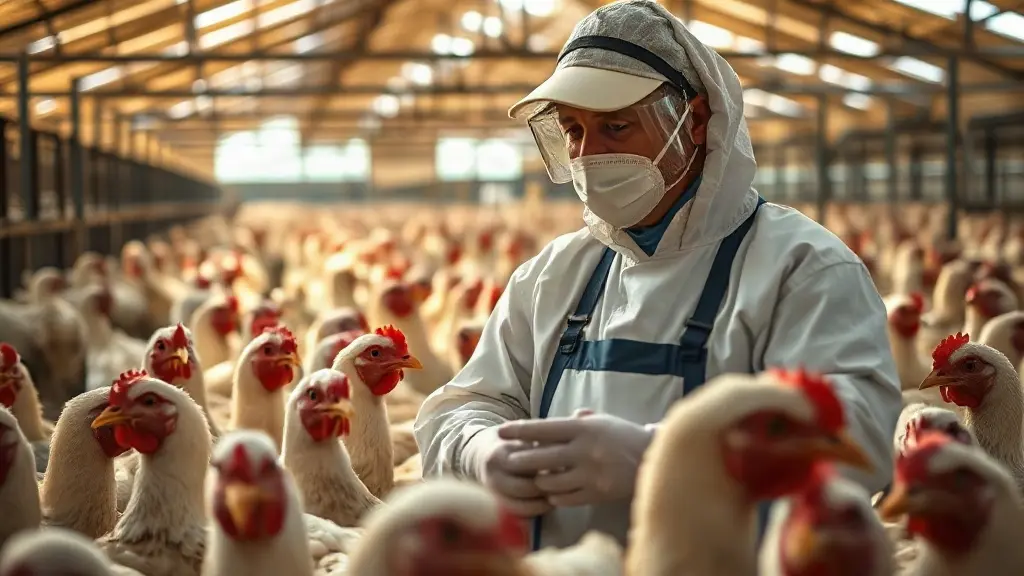
- Biosecurity Measures: Enhanced biosecurity practices are essential. This includes restricting access to poultry areas, using protective clothing, and ensuring that equipment is sanitized.
- Reporting Illness: Any unusual deaths or signs of disease should be reported to local veterinary services or the Animal and Plant Health Agency (APHA).
- Avoiding Contact: Members of the public are advised to avoid contact with wild birds and to keep domestic birds indoors where possible to minimize exposure.
Historical Context and Current Statistics
The current outbreak is part of a troubling trend in avian influenza cases in the UK. The following table provides a historical overview of HPAI cases in recent years:
The data indicates a significant increase in HPAI cases, particularly in the last two years, raising concerns among health officials regarding the potential for future outbreaks. The current situation underscores the importance of ongoing surveillance and rapid response to emerging threats.
| Outbreak Season | HPAI Cases | LPAI Cases |
|---|---|---|
| 2025 to 2026 | 100 | 1 |
| 2024 to 2025 | 82 | 1 |
| 2023 to 2024 | 6 | 0 |
| 2022 to 2023 | 207 | 1 |
| 2021 to 2022 | 158 | 0 |
Conclusion: A Call for Vigilance
As the UK grapples with the latest avian influenza outbreak, the government and health officials are calling for heightened vigilance among bird keepers and the public. The confirmed cases of HPAI H5N1 serve as a stark reminder of the ongoing threat posed by avian influenza. With the implementation of protective measures and public awareness campaigns, authorities aim to mitigate the impact of this outbreak and safeguard both poultry and public health in the coming months.