

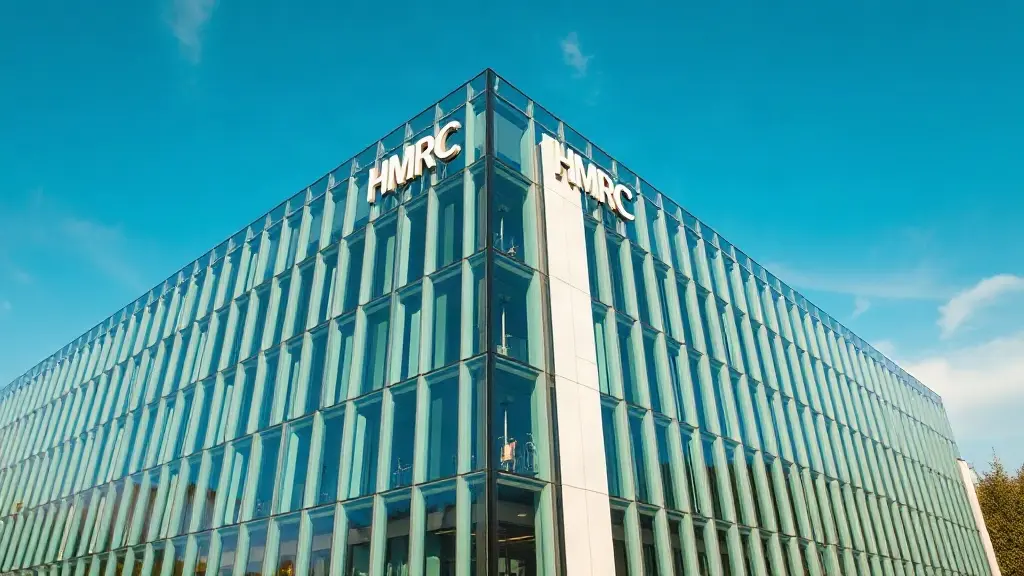
In a significant update for taxpayers, HMRC has announced a revision of interest rates for late payments, following the Bank of England's recent decision to raise its base rate to 4.00%. This adjustment, confirmed on November 5, 2026, marks a crucial change in the financial landscape for individuals and businesses alike, as the new rates will directly affect the cost of late payments and repayments to HMRC.
Bank of England's Base Rate Increase and Its Implications
The Bank of England's [Monetary Policy](/topic/rbi) Committee (MPC) decided to increase the base rate from 3.75% to 4.00% in an effort to combat rising inflation and stabilize the economy. This decision is part of a broader strategy to manage economic pressures that have been affecting the UK since the onset of the global economic downturn. The MPC's announcement has immediate repercussions for HMRC, as the agency's interest rates are directly linked to the base rate set by the Bank of England.
As a result of this increase, HMRC's late payment interest rate will rise to 8%, calculated as the base rate plus 4%. Conversely, the repayment interest rate will adjust to 3%, which is the base rate minus 1%, subject to a minimum floor of 0.5%. These changes are designed to encourage timely payments and ensure fairness for those who comply with their tax obligations.
Understanding HMRC's Interest Rate Structure
HMRC's interest rates are established in legislation and are designed to reflect the economic environment while promoting compliance among taxpayers. The late payment interest rate serves as a deterrent against delayed payments, encouraging individuals and businesses to meet their tax obligations promptly. The repayment interest rate, on the other hand, compensates taxpayers for the time value of money when they overpay their taxes.
The differential between these two rates aligns with practices observed among tax authorities globally and is competitive compared to commercial lending rates. This structure aims to balance the interests of the government in collecting taxes efficiently while also considering the financial implications for taxpayers.
Impact on Taxpayers and Businesses
The increase in HMRC's late payment interest rate to 8% will have significant implications for taxpayers. For individuals and businesses that fail to pay their taxes on time, this increase means a higher financial burden. For example, a business that owes £10,000 in taxes and pays late could incur an additional £800 in interest charges under the new rate, compared to £750 under the previous rate.
Conversely, the adjustment to the repayment interest rate to 3% will provide some relief to those who have overpaid their taxes. While this rate is lower than the late payment rate, it still offers a fair return for taxpayers awaiting refunds. The changes are expected to prompt a review of payment strategies among businesses, particularly those that have previously relied on delayed payments as a cash flow management tactic.
Future Considerations and Legislative Framework
As HMRC prepares to implement these changes, it is essential for taxpayers to stay informed about their obligations and the potential financial implications. The agency has indicated that further information regarding the updated interest rates will be made available shortly. This transparency is crucial for taxpayers to understand how these changes will affect their financial planning and tax compliance strategies.
Moreover, the legislative framework governing HMRC's interest rates ensures that any future adjustments are made in a systematic manner, reflecting ongoing economic conditions. Taxpayers are encouraged to monitor announcements from HMRC and the Bank of England to stay ahead of any further changes that may arise in the coming months.
Conclusion: A Call for Prompt Payments
The recent increase in HMRC's interest rates for late payments serves as a reminder of the importance of timely tax compliance. As the economic landscape continues to evolve, taxpayers must adapt to these changes and understand their financial responsibilities. The rise to 8% for late payments underscores the government's commitment to ensuring fairness in the tax system while also addressing the challenges posed by inflation and economic uncertainty.
| Interest Type | Previous Rate | New Rate | Change |
|---|---|---|---|
| Late Payment Interest | 7.75% | 8.00% | +0.25% |
| Repayment Interest | 4.75% | 3.00% | -1.75% |