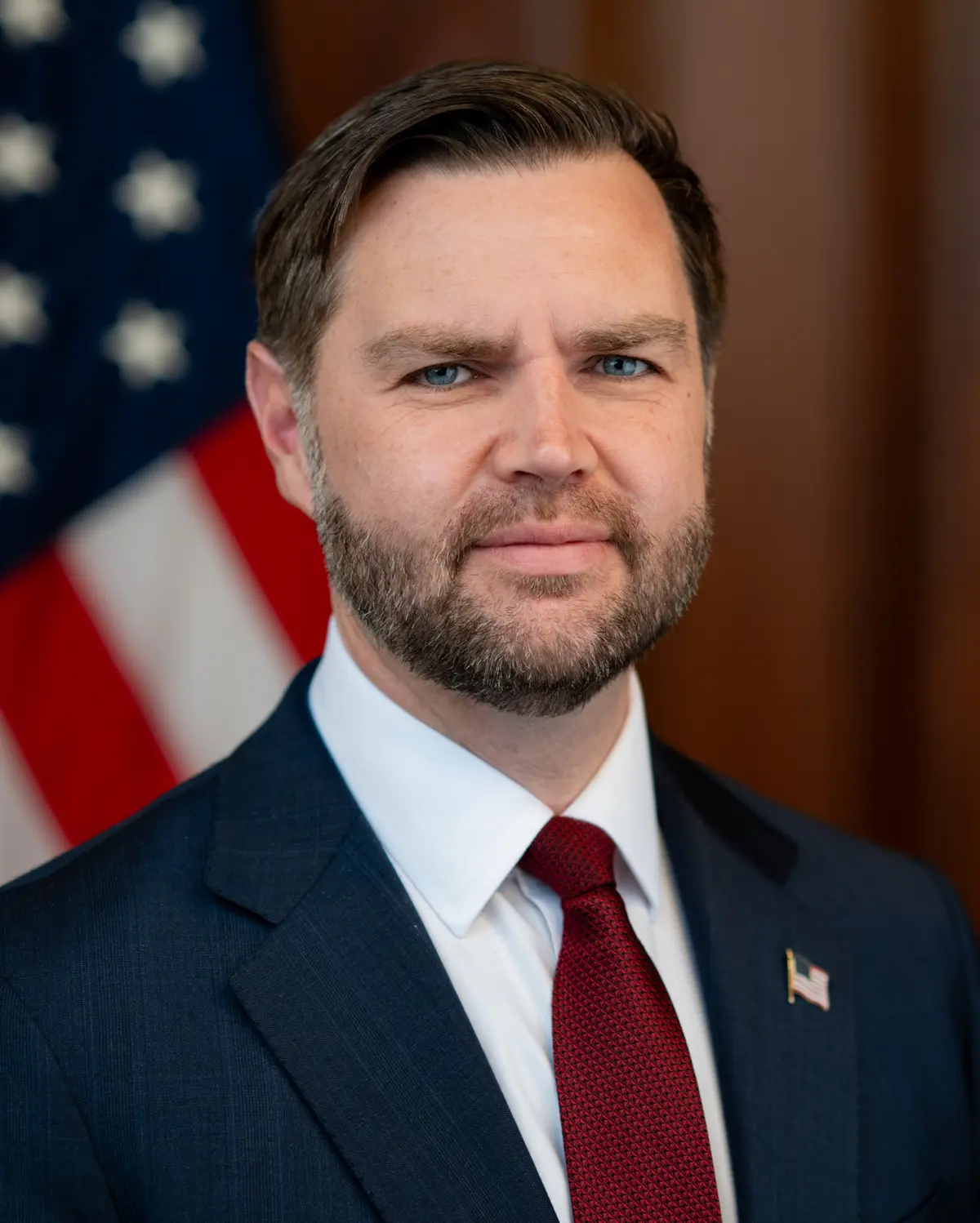
In a significant political maneuver, U.S. Vice President J.D. Vance is attempting to distance himself from former President Donald Trump as he gears up for a potential 2028 Presidential campaign. This strategic shift comes amidst growing concerns about the Republican Party's direction and voter dissatisfaction with economic conditions. Former National Security Adviser John Bolton has publicly criticized Vance's recent comments, labeling them as a "big political mistake" and highlighting the broader implications for the Republican Party.
Vance's Political Strategy and Recent Remarks
In a recent interview, Vance attributed the Republican Party's midterm losses to the ongoing conflict in Iran, a statement that Bolton has vehemently opposed. Bolton stated, "There's no doubt that part of the underlying reason for Mr. Vance’s statement was that this is the beginning of his 2028 nomination campaign. And he's trying something very politically risky here." This comment underscores the precarious nature of Vance's positioning as he seeks to carve out a unique identity separate from Trump, who remains a dominant figure within the party.
Vance's remarks reflect a growing concern among Republicans about the party's future direction and the need to address voter dissatisfaction. With inflation rates hovering around 5.4% and consumer prices rising, many voters are increasingly frustrated with the economic landscape. Bolton emphasized that the Republican Party has overlooked these broader economic issues, stating, "The Republicans are missing the point. It's not just about foreign policy; it's about the economy and how it affects everyday Americans."
Economic Concerns and Voter Sentiment
The economic backdrop against which Vance is making his political moves is critical. The U.S. economy has been grappling with inflationary pressures, supply chain disruptions, and rising costs of living. According to recent data, consumer prices have risen significantly, impacting the purchasing power of American families. This economic reality is likely influencing voter sentiment and could play a pivotal role in the upcoming elections.
Bolton's critique of Vance's strategy highlights a fundamental challenge for the Republican Party: how to reconnect with voters who feel disillusioned by the current economic climate. As Vance attempts to navigate this complex landscape, he faces the dual challenge of appealing to Trump's base while also addressing the concerns of a broader electorate that is increasingly focused on economic stability.
The Republican Party's Internal Dynamics
Vance's distancing from Trump is not merely a personal strategy; it reflects broader dynamics within the Republican Party. As the party prepares for the 2028 elections, there is a palpable tension between traditional conservative values and the populist sentiments that Trump has championed. This internal conflict raises questions about the party's future direction and its ability to unify under a single candidate.
Bolton's comments serve as a reminder of the stakes involved in Vance's political calculations. By attempting to shift blame for the party's challenges onto external factors like the Iran conflict, Vance risks alienating key segments of the Republican base that remain loyal to Trump. Bolton warned, "If Vance continues down this path, he may find himself isolated within the party, especially if Trump decides to run again."
The Road Ahead for Vance and the GOP
As Vance embarks on his political journey toward the 2028 Presidential race, he must carefully navigate the complexities of party loyalty, voter sentiment, and economic realities. His recent comments suggest a willingness to break from Trump, but the question remains whether this strategy will resonate with voters or backfire.
The Republican Party is at a crossroads, and Vance's actions will be closely scrutinized as he seeks to establish himself as a viable candidate. With Bolton's criticism echoing in the background, Vance must find a way to balance his ambitions with the expectations of a party that is still grappling with its identity in the post-Trump era.
In conclusion, Vance's distancing from Trump is a calculated risk as he prepares for a potential presidential run. The economic landscape and voter sentiment will play crucial roles in shaping the narrative leading up to the 2028 elections. As the Republican Party navigates these challenges, Vance's ability to connect with voters while maintaining party unity will be critical for his political future.
| Metric | Value |
|---|---|
| Inflation Rate | 5.4% |
| Midterm Losses (Republicans) | Significant |
| Voter Dissatisfaction Level | High |
| Potential 2028 Candidates | Multiple |