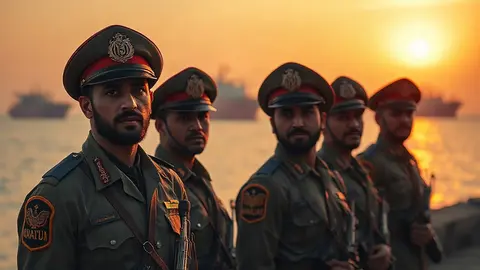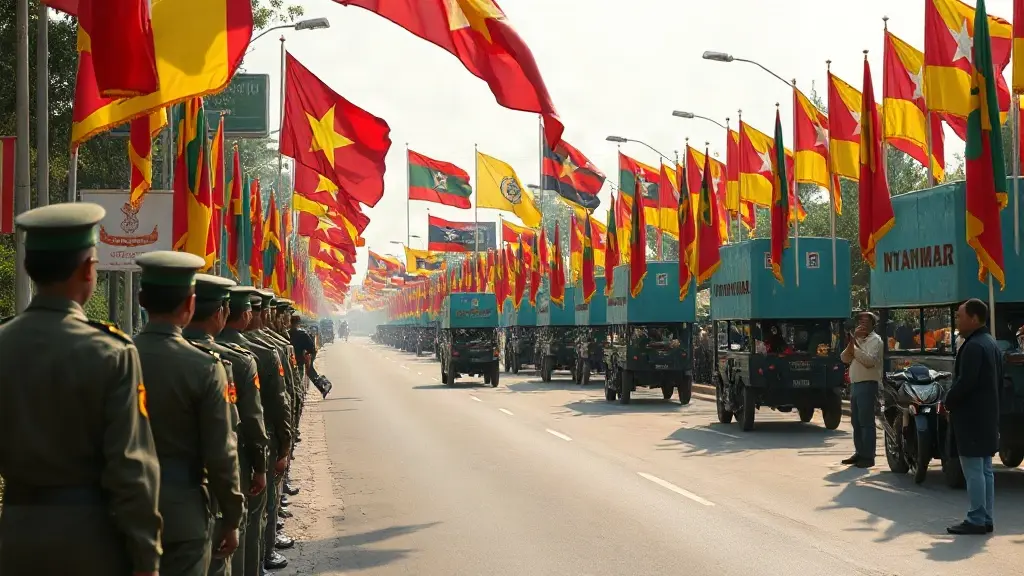
Myanmar's electoral commission has officially announced that byelections will be conducted in April 2027, marking a significant development in the ongoing civil conflict that has gripped the nation since the military coup in February 2021. This decision comes as the military regime claims to have made territorial gains against various ethnic armed groups and pro-democracy forces, suggesting a newfound confidence in its ability to govern and control regions previously deemed too volatile for elections.
Context of the Civil War and Military Control
Since the military coup that ousted the democratically elected government led by Nobel laureate Aung San Suu Kyi, Myanmar has been embroiled in a brutal civil war. The military, known as the Tatmadaw, has faced fierce resistance from a coalition of ethnic armed groups and the National Unity Government (NUG), which was formed by ousted lawmakers and activists. The ongoing conflict has resulted in widespread violence, displacement, and humanitarian crises across the country.
The decision to hold byelections is seen by many analysts as a strategic move by the military to legitimize its rule and demonstrate control over regions that have been battlegrounds for years. According to the electoral commission, these byelections will take place in areas where voting was previously impossible due to the civil unrest. This includes regions in the Sagaing and Magway divisions, which have been heavily affected by clashes between the military and resistance forces.
Military's Territorial Gains and Strategic Implications
The military's announcement of the byelections comes on the heels of reported advances in various conflict zones. In recent months, the Tatmadaw has claimed to have recaptured key territories from the People's Defense Forces (PDF) and other ethnic armed groups. These claims, however, are often met with skepticism from independent observers and human rights organizations, which highlight the ongoing violence and the military's use of heavy artillery and airstrikes against civilian populations.
The military's increasing confidence is reflected in its willingness to conduct elections in areas that were once considered too dangerous. This shift may indicate a broader strategy to consolidate power and quell dissent by presenting a facade of normalcy and governance. However, the legitimacy of these elections is highly questionable, as many opposition groups have vowed to boycott any electoral process under military rule.
Reactions from Political Groups and Civil Society
The announcement of the byelections has elicited mixed reactions from various political factions and civil society organizations. The NUG, which claims to be the legitimate government of Myanmar, has condemned the military's decision, labeling it a ploy to distract from the ongoing humanitarian crisis and the military's human rights abuses. A spokesperson for the NUG stated, "Elections held under the military's control cannot be considered legitimate. The people of Myanmar deserve a true democratic process, free from coercion and violence."
Civil society groups have also expressed concerns about the safety of voters and the potential for increased violence during the electoral process. Many fear that the military may resort to intimidation tactics to ensure a favorable outcome. In a statement, a coalition of NGOs emphasized the need for international observers to monitor the elections, stating, "Without independent oversight, these byelections will only serve to legitimize the military's oppressive regime."
International Community's Stance
The international community has largely condemned the military's actions since the coup, with many countries imposing sanctions and calling for a return to democratic governance. However, the effectiveness of these measures remains debatable, as the military continues to assert its control over the country. The United Nations and various human rights organizations have repeatedly called for an end to the violence and a political solution to the crisis.
As Myanmar approaches the byelections in April 2027, the situation remains precarious. The military's claims of territorial control and stability are juxtaposed against the backdrop of ongoing conflict and humanitarian suffering. The true impact of these elections on the ground will depend on the military's ability to maintain order and the willingness of the populace to engage in a process that many view as fundamentally flawed.
| Metric | Value |
|---|---|
| Byelection Date | April 2027 |
| Year of Military Coup | 2021 |
| Estimated Displaced Persons | 1.5 million |
| Regions Affected by Conflict | Sagaing, Magway |
| NUG's Claim of Legitimacy | Ongoing |
Conclusion: A Fragile Path Forward
As Myanmar gears up for the byelections, the path forward remains fraught with challenges. The military's increasing confidence may lead to further attempts at consolidating power, but the underlying tensions and resistance from various groups indicate that the road to stability is still long and uncertain. The international community's response and the actions of the Myanmar populace will be crucial in determining the future of governance in the country. The upcoming byelections will not only test the military's grip on power but also the resilience of the Myanmar people in their quest for democracy and peace.