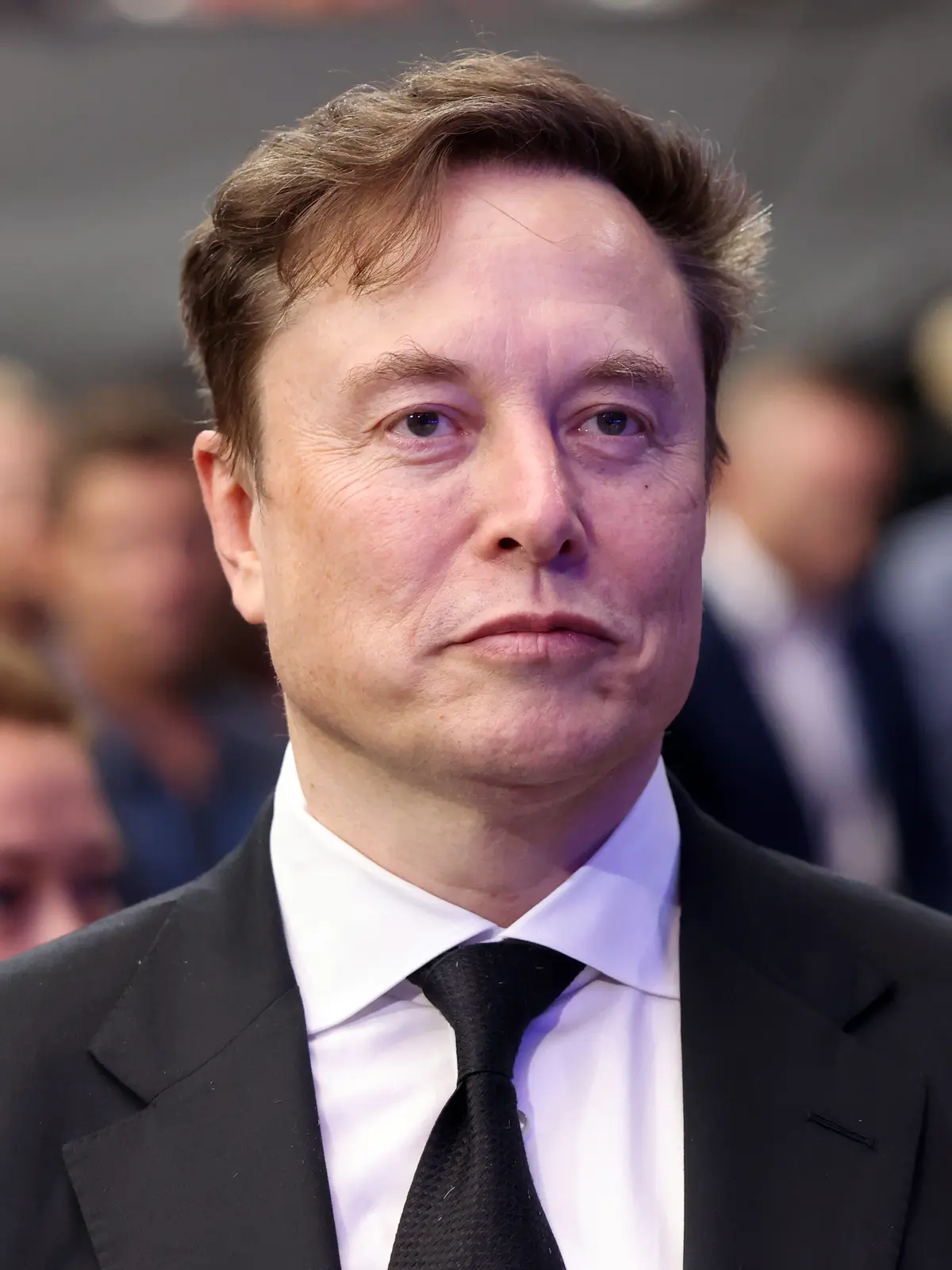
In a significant announcement, [Elon Musk](/topic/elon-musk), CEO of Tesla, confirmed that the company will wind down production of its much-anticipated Cybertruck at its Texas factory by mid-2027. This strategic decision aims to free up manufacturing capacity for Tesla's new Cybercab robotaxi, which is expected to revolutionize urban transportation. According to Musk, this shift is not just about reallocating resources but also about positioning Tesla at the forefront of the autonomous vehicle market.
Cybertruck Production Timeline and Challenges
The Cybertruck, which was unveiled in 2019, has faced numerous delays and production challenges. Initially slated for mass production in late 2021, the timeline has been pushed back multiple times due to supply chain issues and manufacturing hurdles. As of November 2026, Tesla has produced approximately 200,000 units of the Cybertruck, a figure that falls short of initial projections.
Musk stated, "While the Cybertruck has garnered significant interest, the complexities of its production have necessitated a reevaluation of our priorities. We need to focus on the future of transportation, which is the Cybercab."
The decision to halt Cybertruck production reflects Tesla's broader strategy to pivot towards autonomous vehicles. The Cybercab is designed to operate without a driver, leveraging Tesla's advanced AI and sensor technology. This move is expected to align with the growing demand for ride-hailing services and urban mobility solutions.
The Rise of the Cybercab Robotaxi
Tesla's Cybercab is positioned as a game-changer in the ride-hailing industry. With the increasing popularity of services like Uber and Lyft, the demand for autonomous ride-sharing options is on the rise. Musk emphasized that the Cybercab will not only provide a safer alternative but also reduce traffic congestion and emissions in urban areas.
"The Cybercab will be equipped with our latest AI technology, ensuring a seamless and safe ride for passengers. We envision a future where personal car ownership is less necessary, and shared autonomous vehicles become the norm," Musk explained during the announcement.
The Cybercab is expected to launch in late 2027, coinciding with the cessation of Cybertruck production. This strategic timing allows Tesla to transition its workforce and resources effectively, minimizing disruptions in production.
Financial Implications and Market Reactions
The announcement has sparked varied reactions in the financial markets. Tesla's stock experienced a slight dip following the news, reflecting investor concerns about the company's shifting focus. However, analysts believe that the long-term potential of the Cybercab could outweigh short-term setbacks.
According to DotMR analysis, Tesla's market capitalization remains robust, with a valuation of approximately $1.5 trillion as of November 2026. The company has consistently outperformed its competitors in the electric vehicle sector, and the introduction of the Cybercab could further solidify its market position.
Investors are particularly keen on how Tesla plans to monetize the Cybercab. The company aims to implement a subscription model for users, allowing for flexible payment options and increased accessibility. This model could potentially generate significant recurring revenue for Tesla, enhancing its financial stability.
Public and Industry Reactions
The announcement has elicited mixed responses from the public and industry experts. While many enthusiasts express disappointment over the Cybertruck's production halt, others recognize the necessity of focusing on autonomous technology. Industry experts argue that Tesla's pivot towards the Cybercab aligns with global trends towards sustainability and smart city initiatives.
"Tesla's decision to prioritize the Cybercab is a bold move that reflects the changing landscape of transportation. As cities become more congested, the need for efficient, autonomous solutions will only grow," said a leading automotive analyst.
Conclusion: A New Era for Tesla
As Tesla prepares to wind down Cybertruck production, the focus shifts to the future of urban mobility with the Cybercab. This strategic decision underscores Tesla's commitment to innovation and leadership in the electric vehicle market. With the anticipated launch of the Cybercab in late 2027, Tesla aims to redefine transportation, making it safer, more efficient, and environmentally friendly.
The transition marks a pivotal moment for Tesla, as it navigates the complexities of production, market demands, and technological advancements. As Musk stated, "The future is not just about building cars; it's about creating a sustainable ecosystem for transportation."
| Metric | Value |
|---|---|
| Cybertruck Units Produced | 200,000 |
| Expected Cybercab Launch | Late 2027 |
| Tesla Market Capitalization | $1.5 trillion |
| Cybertruck Production Cessation | Mid-2027 |