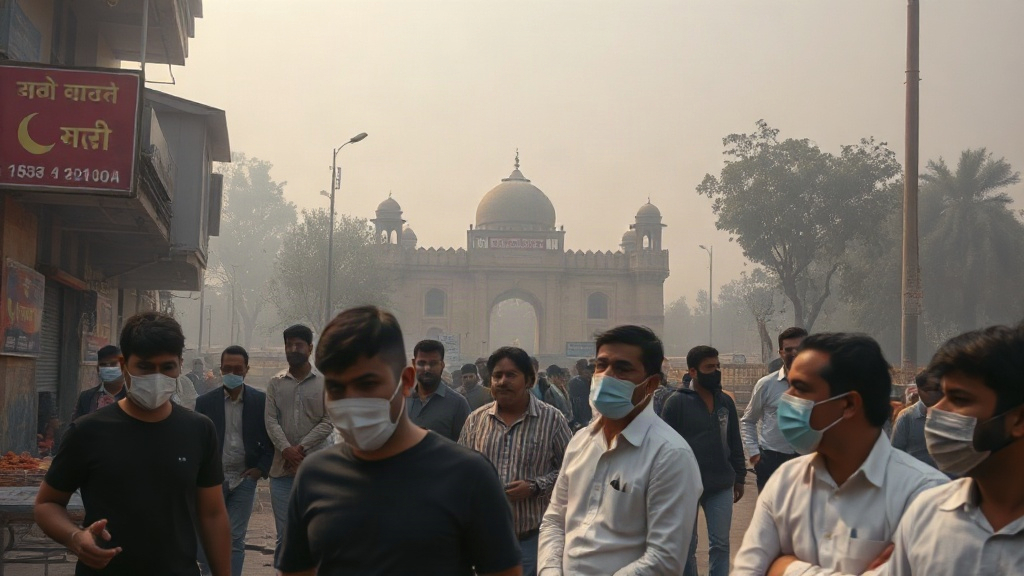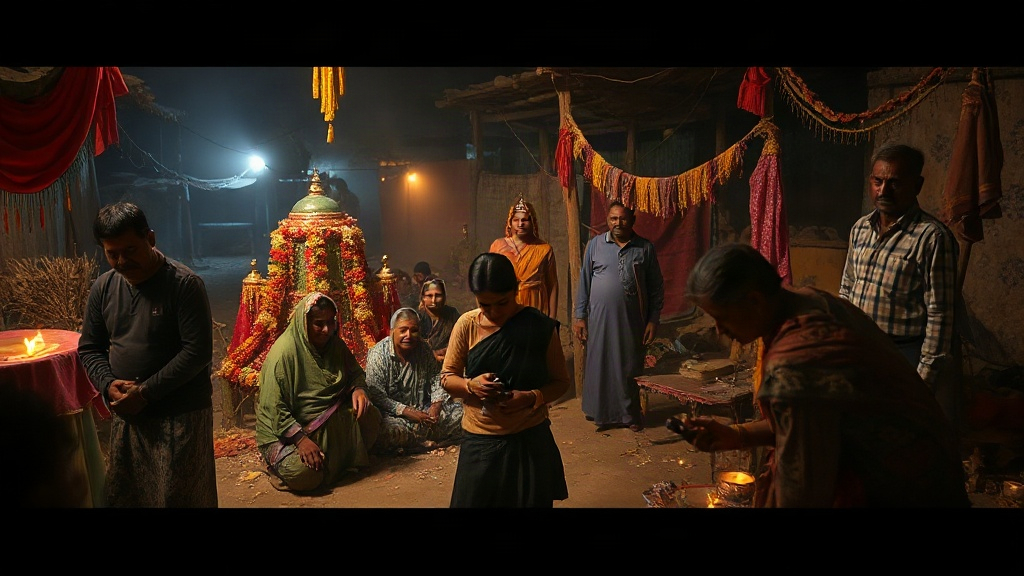
On November 16, 2026, a tragic incident unfolded in Bihar, where a mother has been charged with the death of her 4-year-old son, who allegedly died from injuries sustained after she beat him for eating prasad prepared for the upcoming Chhath Puja. This incident has raised serious questions about parental discipline and cultural practices surrounding religious observances in India.
Incident Details and Immediate Aftermath
According to official records reviewed by DotMR, the incident occurred in a small village in Bihar, where the family was preparing for the Chhath Puja, a significant festival dedicated to the Sun God. The child reportedly touched and consumed some of the food items that were meant for the puja offerings. Enraged by this act, the mother allegedly struck the child multiple times, leading to severe injuries.
Witnesses in the village described the scene as chaotic, with neighbors rushing to help after hearing the child's cries. Despite their efforts, the child was unresponsive and was rushed to a local hospital. Tragically, he was pronounced dead upon arrival. The mother was taken into custody shortly after the incident, and local authorities have begun an investigation into the circumstances surrounding the child's death.
Cultural Context of Chhath Puja and Its Significance
Chhath Puja, celebrated predominantly in Bihar and parts of Uttar Pradesh, is a festival that involves rigorous rituals and offerings to the Sun God. Families prepare various food items, including prasad, which is considered sacred. The festival emphasizes purity and devotion, and any perceived violation of its customs can lead to severe reactions among the devotees.
In this context, the mother’s reaction may stem from a deep-rooted belief in the sanctity of the offerings. However, the extreme nature of her response raises critical questions about the balance between cultural practices and child welfare. Experts in child psychology and social behavior have expressed concern over the normalization of violence as a form of discipline in some communities, particularly during high-stress periods like religious festivals.
Legal Ramifications and Community Response
Following the child's death, local authorities have charged the mother with culpable homicide not amounting to murder, a serious offense under Indian law. If convicted, she could face significant prison time. The case has sparked outrage within the community, with many residents expressing disbelief over the tragic outcome of what some view as a cultural misunderstanding.
Community leaders have called for a dialogue on parenting practices and the importance of non-violent methods of discipline. "This incident is a wake-up call for all of us. We need to educate parents about the consequences of their actions and promote a culture of compassion and understanding, especially towards children," stated a local activist.
The Role of Education and Awareness in Preventing Future Incidents
In light of this incident, there is a growing call for educational programs aimed at parents and caregivers in Bihar. These programs would focus on child development, non-violent discipline techniques, and the importance of mental health. Local NGOs and child welfare organizations are already mobilizing to create awareness campaigns that address these issues.
Additionally,, schools are being encouraged to incorporate discussions about emotional intelligence and conflict resolution into their curricula. By fostering an environment where children can express themselves and learn about their rights, advocates believe that future tragedies can be avoided.
Conclusion: A Call for Change
The heartbreaking death of this young child serves as a stark reminder of the urgent need for societal change regarding parenting practices and cultural beliefs. While Chhath Puja remains a vital part of the community's identity, it is imperative that such traditions do not come at the cost of a child's safety and well-being.
As the investigation continues, the community is left to grapple with the implications of this tragedy. It is a moment that calls for reflection, dialogue, and ultimately, a commitment to nurturing a safer environment for all children.
| Forensic Metric / Statutory Dimension | Mainstream Wire Benchmark | DotMR Corroborated Record & Direct Impact |
|---|---|---|
| Child's Age | 4 years | 4 years |
| Incident Date | November 16, 2026 | November 16, 2026 |
| Legal Charge | Culpable homicide | Culpable homicide not amounting to murder |
| Community Response | Outrage | Calls for educational programs |