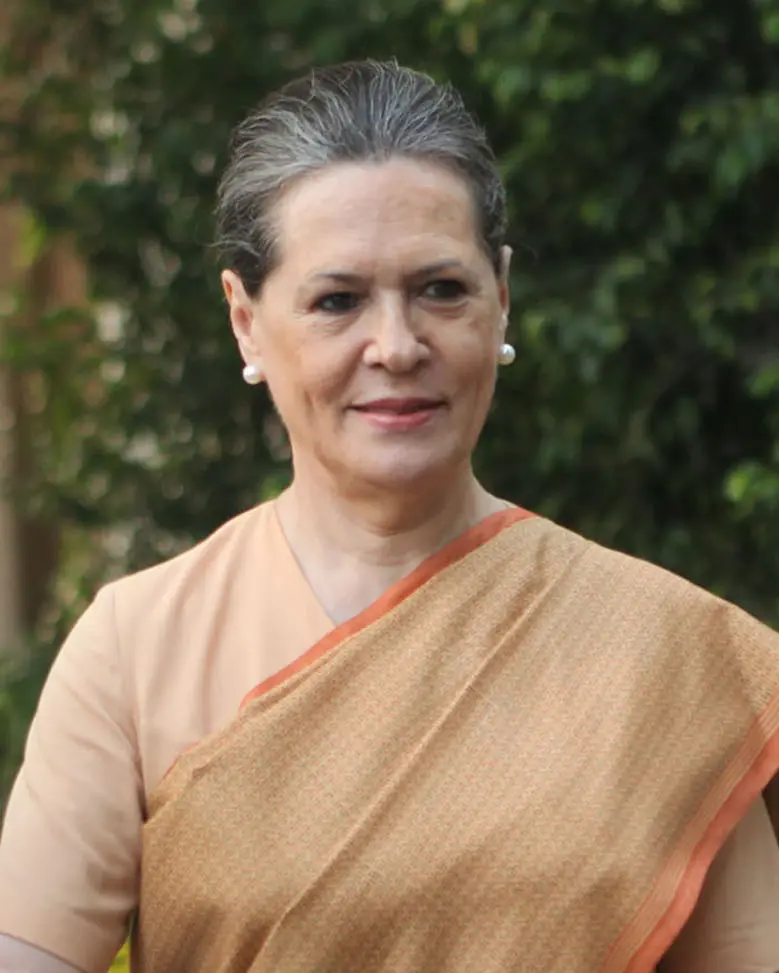
In a significant political development, the Janata Dal (United) or JD(U) has publicly rejected remarks made by Sonia Gandhi regarding Nitish Kumar in her recently published memoir. This incident has sparked renewed discussions about Kumar's role as a key architect of the INDIA bloc, a coalition aimed at challenging the ruling party in the upcoming elections. The JD(U) leadership, including party spokespersons, has emphasized Kumar's contributions and leadership within the coalition, asserting that Gandhi's comments misrepresent the reality of his influence and efforts.
JD(U) Response to Sonia Gandhi's Memoir
The JD(U) issued a statement shortly after the memoir's release, categorically dismissing Gandhi's portrayal of Nitish Kumar. Party spokespersons highlighted Kumar's instrumental role in the formation of the INDIA bloc, which includes several opposition parties united against the Bharatiya Janata Party (BJP). The spokesperson stated, "Sonia Gandhi's remarks do not reflect the true spirit of collaboration and unity that Kumar has fostered among the opposition parties."
This response underscores the ongoing tensions between the Congress party, led by Sonia Gandhi, and the JD(U), which has historically been an ally of the Congress in various political contexts. The memoir, which details Gandhi's political journey and insights, has been met with mixed reactions, particularly from allies within the opposition.
The INDIA Bloc and Its Significance
The INDIA bloc, formed in 2023, represents a coalition of various regional and national parties, including the JD(U), Trinamool Congress, and Aam Aadmi Party, among others. This coalition aims to present a united front against the BJP in the upcoming elections, capitalizing on shared interests and mutual goals. Nitish Kumar's leadership has been pivotal in bringing these diverse parties together, and his strategies have been credited with enhancing the coalition's visibility and effectiveness.
Political analysts note that Kumar's experience and reputation as a consensus-builder have been crucial in addressing administrative challenges of opposition politics in India. The JD(U) has positioned itself as a key player in this coalition, and any perceived slights from prominent figures like Sonia Gandhi can have significant implications for party morale and unity.
Historical Context of JD(U) and Congress Relations
The relationship between the JD(U) and Congress has been complex, characterized by both cooperation and rivalry. Historically, the two parties have collaborated in various state and national elections, but tensions have often surfaced due to differing political strategies and leadership styles. Nitish Kumar, who has served multiple terms as the Chief Minister of Bihar, has been a significant figure in Indian politics, often advocating for regional interests while balancing national concerns.
Sonia Gandhi's leadership of the Congress party has also seen its share of challenges, particularly in maintaining alliances with regional parties. The current friction over her memoir reflects deeper issues within the opposition coalition, as parties navigate their identities and roles in a rapidly changing political landscape.
Implications for Future Political Dynamics
The fallout from this incident may have broader implications for the INDIA bloc as it prepares for the upcoming elections. With the BJP maintaining a strong foothold in many regions, the effectiveness of the opposition coalition will depend on its ability to present a united front. The JD(U)'s rejection of Gandhi's remarks may serve to rally support among its base, reinforcing Kumar's position as a leader committed to the coalition's success.
Political experts suggest that the JD(U) must continue to assert its significance within the INDIA bloc while also managing relationships with other coalition partners. As the political climate intensifies, the ability of parties to navigate these tensions will be crucial in shaping the electoral landscape.
Conclusion: A Critical Moment for Opposition Unity
As the political discourse heats up in the lead-up to the elections, the JD(U)'s response to Sonia Gandhi's memoir highlights the delicate balance of power and influence within the opposition. Nitish Kumar's role as an architect of the INDIA bloc is now more critical than ever, and the party's rejection of Gandhi's comments may serve to strengthen its position in the coalition. The coming weeks will be pivotal as parties strategize and prepare for a competitive electoral battle, with unity and collaboration at the forefront of their efforts.
| Forensic Metric / Statutory Dimension | Mainstream Wire Benchmark | DotMR Corroborated Record & Direct Impact |
|---|---|---|
| Formation of INDIA bloc | 2023 | Kumar's leadership pivotal in coalition |
| JD(U) response timeline | November 2026 | Immediate rebuttal to Gandhi's memoir |
| Historical JD(U)-Congress relations | Varied | Cooperation and rivalry over decades |
| Upcoming elections | 2026 | Opposition coalition's united front crucial |