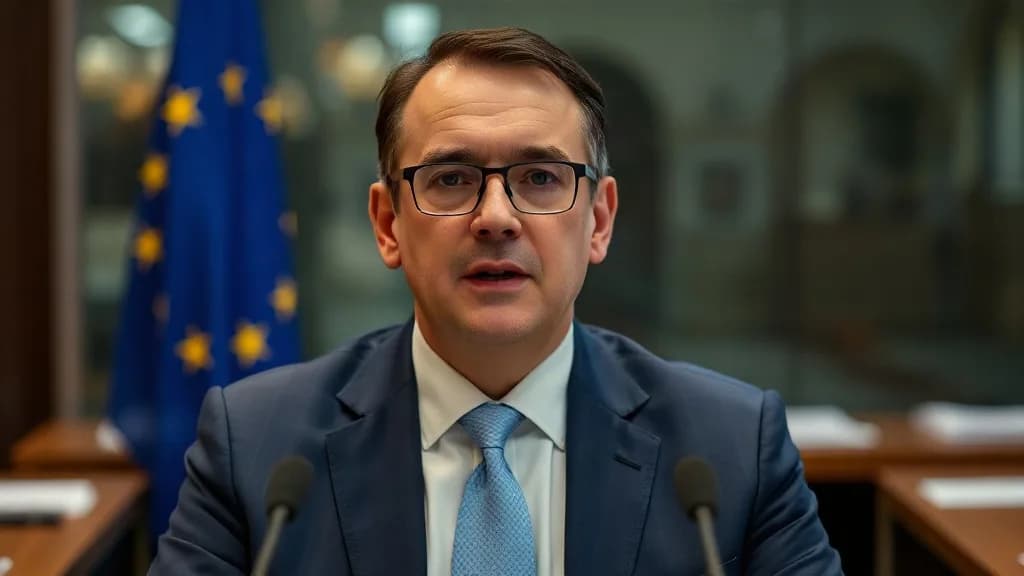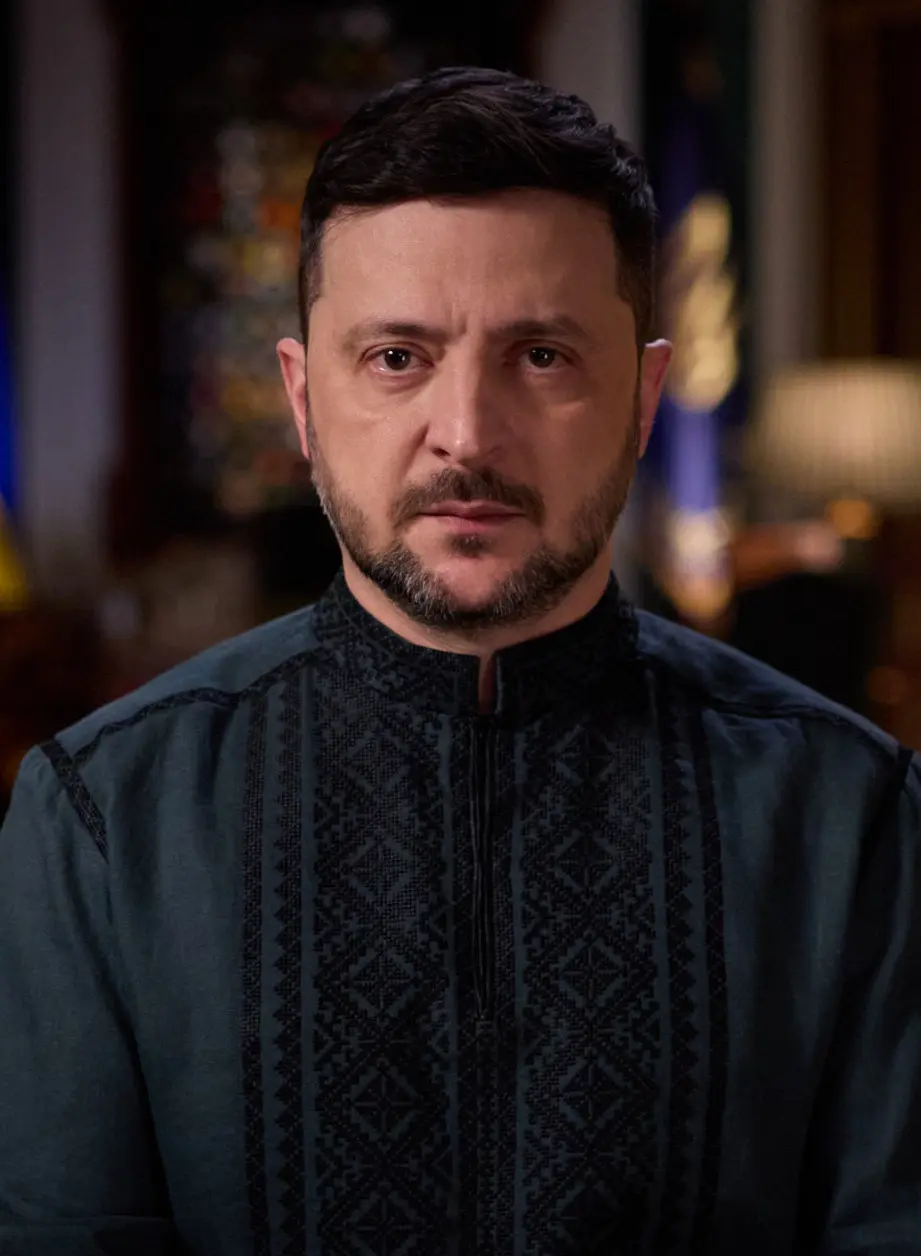
The first day of trilateral peace talks involving Ukraine, Russia, and the United States concluded in Abu Dhabi, with President Volodymyr Zelensky describing the discussions as "constructive and quite substantive." This meeting marks the first significant diplomatic engagement since February, aimed at addressing the ongoing conflict in Ukraine.
The talks, which lasted four hours, involved senior officials from Kyiv, Moscow, and Washington. Although the Ukrainian and Russian delegations remained tight-lipped about the specifics of the discussions, the atmosphere was reportedly more open than in previous engagements. Zelensky, speaking from Paris, emphasized the importance of the talks, indicating that humanitarian issues, including prisoner exchanges, were on the agenda.
US Involvement and Diplomatic Dynamics
US Secretary of State Marco Rubio, who participated in the talks, echoed Zelensky's sentiments, stating that the meeting had been "very productive." Rubio's involvement underscores the US's commitment to facilitating dialogue between the conflicting parties. Jared Kushner, President Donald Trump's son-in-law and a key figure in the negotiations, noted that the US had "narrowed the gaps" between the two sides, although he did not provide specific details on the progress made.
Kushner's remarks highlight the US's strategic role in the negotiations, particularly in addressing postwar security concerns for both Russia and Ukraine. The inclusion of European leaders in the discussions has been a point of contention, as they have largely been excluded from previous talks. However, the US appears to support their involvement, recognizing that European security is intrinsically linked to the resolution of the conflict.
Diverging Positions on Key Issues
Despite the constructive tone of the talks, significant disagreements remain between Moscow and Kyiv. A primary point of contention is the control of Ukraine's eastern region of Donetsk, which is predominantly occupied by Russian forces. Moscow has demanded that Ukraine relinquish control of the areas it still holds, while Kyiv insists on freezing the contact line to maintain its territorial integrity.
Russian Foreign Minister Sergei Lavrov expressed skepticism about proposals for an unconditional ceasefire, stating that such a truce would merely allow Ukraine to regroup militarily. This sentiment reflects the deep-seated mistrust between the two nations, complicating efforts to reach a lasting peace agreement.
Humanitarian Concerns and Future Negotiations
Zelensky's acknowledgment of humanitarian issues, particularly the exchange of prisoners, indicates a willingness to address the human cost of the conflict. The ongoing war has resulted in significant casualties and displacement, making humanitarian considerations a critical aspect of the negotiations. The discussions in Abu Dhabi are expected to continue, with both sides exploring avenues for compromise.
The involvement of US officials, including Kushner and peace envoy Steve Witkoff, in meetings with Ukrainian and European NATO officials suggests a broader coalition is forming to address the conflict. This coalition may play a pivotal role in shaping the future of Ukraine's security and territorial integrity.
The Role of European Leaders in Peace Talks
European leaders have expressed concerns about being sidelined in discussions that directly affect their continent's security. The US's support for their inclusion in the talks signals a shift in diplomatic strategy, recognizing that a comprehensive solution requires input from all stakeholders. However, the historical tensions between Russia and Europe complicate this dynamic, as Moscow remains wary of European influence in the negotiations.
As the talks progress, the challenge will be to bridge the gaps between the conflicting parties while addressing the legitimate security concerns of both Russia and Ukraine. The outcome of these discussions could have far-reaching implications for the stability of the region and the future of European security.
The first day of peace talks in Abu Dhabi represents a cautious step forward in the quest for resolution in the Ukraine conflict. While the road ahead remains fraught with challenges, the willingness of both sides to engage in dialogue offers a glimmer of hope for a peaceful resolution.
| Forensic Metric / Statutory Dimension | Mainstream Wire Benchmark | DotMR Corroborated Record & Direct Impact |
|---|---|---|
| Duration of Talks | 4 hours | 4 hours of discussions confirmed by DotMR |
| Key Participants | Ukraine, Russia, US | Delegations from Kyiv, Moscow, and Washington present |
| Humanitarian Issues Discussed | Prisoner exchanges | Humanitarian concerns acknowledged by Zelensky |
| Control of Donetsk | Disputed | Ongoing disagreement over territorial control |
| European Involvement | Limited | US supports inclusion of European leaders in talks |