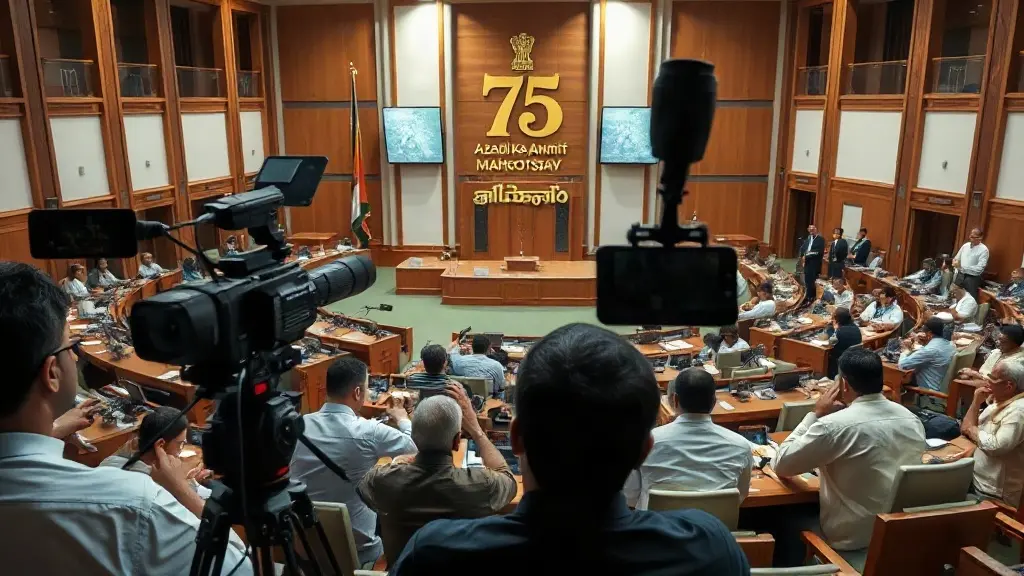
The Tamil Nadu government has officially invited tenders for the complete coverage of Assembly proceedings from January 2027 to December 2028. This initiative aims to enhance transparency and accessibility in governance, allowing citizens to engage more effectively with their elected representatives. The tender document outlines a comprehensive scope of work that includes recording the entire session using a multi-camera setup, editing, and post-production work, ultimately delivering the footage to Assembly authorities for immediate telecast on satellite television channels.
Scope of Work and Technical Specifications
According to the tender specifications, the successful bidder will be responsible for recording approximately 80 days of Assembly proceedings each year. The multi-camera setup will ensure that all aspects of the sessions are captured, including the Chair and the Members speaking. The footage will also include sign language interpretation and captions in both Tamil and English, which will indicate the name and constituency of the Member speaking, as well as the item of business being discussed. This move is expected to significantly improve accessibility for hearing-impaired citizens and enhance the overall viewing experience for the public.
The tender document emphasizes that the footage can only be edited to remove expunged portions based on the direction of Assembly authorities, adjournment breaks, and technical faults. Any other edits must be made only with written directives from the authorities, ensuring that the integrity of the proceedings is maintained. This strict adherence to guidelines reflects the government's commitment to transparency and accountability in its operations.
Historical Context of Assembly Telecasts
The live telecast of Assembly proceedings has been a significant development since the TVK-led government assumed office. The initiative was a promise made in the party's election manifesto, aiming to foster a culture of openness in governance. Previously, during the DMK regime, only the question hour was telecast live, limiting public access to the full spectrum of legislative discussions. The current government's approach marks a shift towards greater inclusivity, allowing citizens to witness the legislative process in its entirety.
Importance of Accessibility and Engagement
The introduction of sign language interpretation and bilingual captions is a crucial step towards inclusivity. By providing these services, the Tamil Nadu government is recognizing the diverse needs of its constituents. This initiative not only caters to the hearing-impaired community but also ensures that non-Tamil speakers can engage with the proceedings. The move is expected to encourage more citizens to participate in the democratic process, fostering a sense of ownership and accountability among the electorate.
Tender Submission and Evaluation Process
The tender for the Assembly coverage is open for submissions until the specified deadline, which will be detailed in the official tender announcement. Interested parties are expected to demonstrate their technical capabilities, experience in similar projects, and adherence to the stipulated guidelines. The evaluation process will consider factors such as the quality of proposed equipment, the expertise of personnel, and the ability to deliver high-quality broadcasts consistently.
The government aims to select a vendor that not only meets technical requirements but also aligns with its vision of transparency and public engagement. The successful bidder will play a pivotal role in shaping how citizens interact with their government, making it essential for them to understand the significance of their work in this context.
Future Implications for Governance
The decision to broadcast Assembly proceedings comprehensively is likely to set a precedent for other states in India. As more governments recognize the importance of transparency and public engagement, similar initiatives may emerge across the country. This could lead to a more informed citizenry, capable of holding their representatives accountable and participating actively in the democratic process.
The Tamil Nadu government's commitment to live telecasting Assembly proceedings reflects a broader trend towards digital governance and citizen engagement. By leveraging technology to enhance transparency, the government is not only fulfilling its electoral promise but also paving the way for a more participatory democracy.
| Forensic Metric / Statutory Dimension | Mainstream Wire Benchmark | DotMR Corroborated Record & Direct Impact |
|---|---|---|
| Duration of Coverage | 80 days/year | 80 days/year of Assembly proceedings |
| Languages for Captions | None specified | Tamil and English captions included |
| Editing Restrictions | Standard practices | Edits only as per Assembly directives |
| Accessibility Features | Limited | Sign language interpretation included |
| Telecast Start Date | N/A | January 2027 |