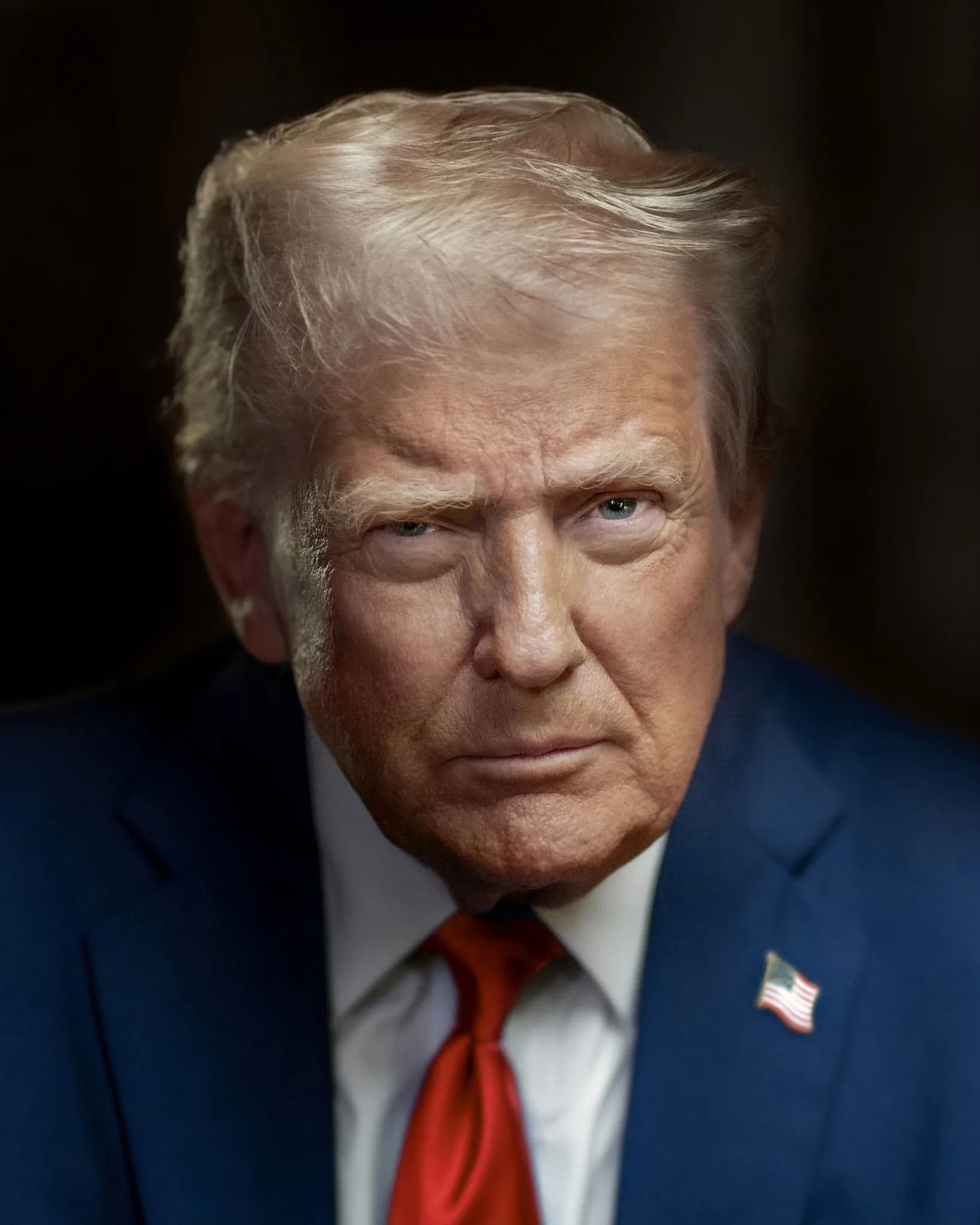
In a significant political maneuver, the US House of Representatives voted against an impeachment effort aimed at Defense Secretary Pete Hegseth, a decision that underscores the complexities of party dynamics following the recent midterm elections. The vote, which took place on November 10, 2026, came just days after the Republican Party faced a substantial defeat in the elections, raising questions about the future direction of the party and its leadership under President Donald Trump.
Context of the Impeachment Effort
The impeachment motion against Hegseth was primarily driven by concerns over his handling of military operations related to the ongoing conflict in Iran. Critics within the House argued that Hegseth's decisions had led to unnecessary escalation and loss of life, prompting calls for accountability. However, supporters of Hegseth, including many Republican lawmakers, defended his actions as necessary for national security and aligned with the administration's broader strategy in the Middle East.
The impeachment effort was seen as a test of loyalty among Republicans, particularly in light of the recent electoral losses. Many party members feared that pursuing impeachment could further alienate voters and exacerbate divisions within the party. Ultimately, the House voted 218 to 197 against the impeachment motion, a clear indication of Hegseth's support among Republican lawmakers.
Implications for President Trump
This outcome is a notable victory for President Trump, who has been under pressure to maintain party unity following the midterm elections. The rejection of the impeachment motion not only solidifies Hegseth's position but also reinforces Trump's influence over the party. Analysts suggest that this event may embolden the administration to pursue more aggressive policies in the Middle East, as the president seeks to reassert his authority in the wake of electoral setbacks.
Trump's administration has faced criticism for its foreign policy decisions, particularly regarding Iran, where tensions have escalated significantly over the past year. The House's decision to block the impeachment reflects a strategic choice by Republican lawmakers to rally around Hegseth and the administration, rather than engage in potentially divisive battles that could detract from their legislative agenda.
The Political Landscape Post-Midterms
The recent midterm elections resulted in a significant shift in power dynamics within Congress, with Democrats gaining ground in several key districts. This shift has prompted a reevaluation among Republican leaders about their strategies moving forward. The impeachment effort against Hegseth was viewed by some as a desperate attempt by a faction within the party to assert control and challenge Trump's leadership.
In the aftermath of the elections, many Republicans are now focusing on consolidating their positions and addressing the concerns of their constituents. The rejection of the impeachment motion may serve as a rallying point for the party, allowing them to present a united front as they navigate the challenges ahead.
Hegseth's Response and Future Prospects
Following the House vote, Hegseth expressed gratitude for the support he received from his colleagues. In a statement, he emphasized the importance of a strong defense and the need for continued focus on national security. "I am committed to ensuring that our military remains prepared and effective in addressing the threats we face," Hegseth stated, reinforcing his dedication to the role.
As the 29th Secretary of Defense, Hegseth has been a controversial figure, often drawing attention for his outspoken views on military engagement and foreign policy. His tenure has been marked by a blend of traditional defense strategies and a willingness to embrace more aggressive postures, particularly in relation to adversaries like Iran.
The outcome of the impeachment vote may also have implications for Hegseth's long-term prospects within the administration. With the backing of the House, he is likely to continue pursuing his agenda, which includes advocating for increased military funding and a robust response to global threats.
Conclusion: A Defining Moment for the GOP
The rejection of the impeachment motion against Pete Hegseth represents a critical moment for the Republican Party as it seeks to redefine its identity in the wake of electoral challenges. By standing united behind Hegseth, party leaders are signaling their commitment to a strong defense and a continuation of Trump's policies. As the political landscape evolves, the implications of this decision will likely resonate throughout the remainder of the current administration and beyond.
| Forensic Metric / Statutory Dimension | Mainstream Wire Benchmark | DotMR Corroborated Record & Direct Impact |
|---|---|---|
| House Vote Count | 218-197 | 218 Republicans voted against impeachment, 197 in favor |
| Date of Vote | November 10, 2026 | Vote occurred just days after midterm elections |
| Hegseth's Tenure Start | 2025 | Hegseth has been Secretary of Defense since 2025 |
| Party Support for Hegseth | Majority Republican | Majority of Republican lawmakers supported Hegseth's position |
| Context of Iran Conflict | Ongoing | Hegseth's actions linked to military strategy in Iran |