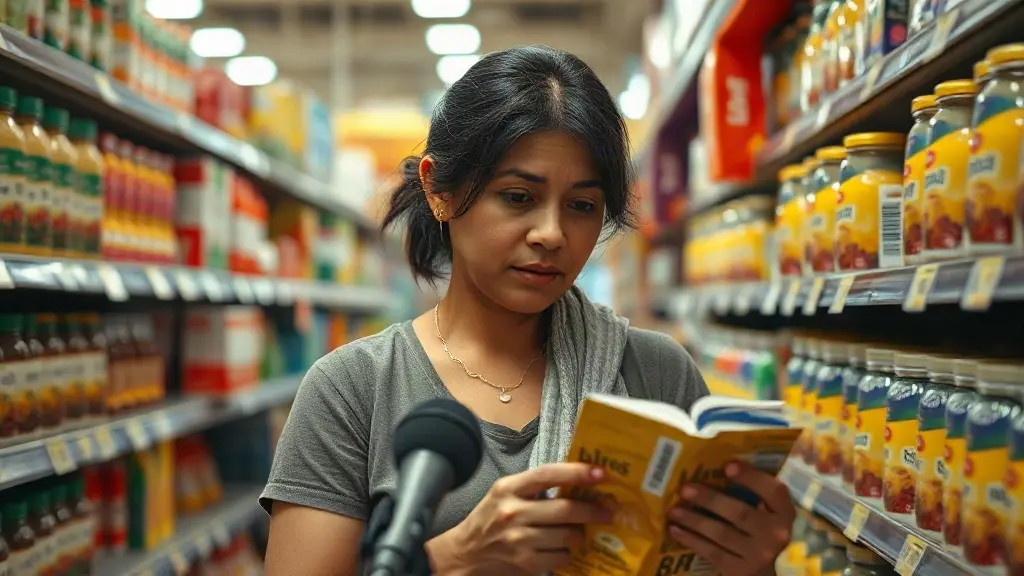
In October 2026, US parents faced an unprecedented surge in baby food and formula prices, which rose by 5.1%, according to data from the Bureau of Labor Statistics. This increase marks the highest monthly rise on record, compounding the financial strain on families already grappling with rising costs across various essential goods and services. The surge in baby food and formula prices is particularly alarming as it reflects broader inflationary pressures affecting household budgets nationwide.
Factors Driving the Surge in Baby Food and Formula Prices
Several factors are contributing to the sharp increase in baby food and formula prices. Industry experts, including Darren Seifer, vice president of thought leadership for home, family, and baby at NielsenIQ, suggest that rising ingredient costs, transportation inflation, and a declining birth cohort are significant contributors. The combination of these elements has created a perfect storm, leading to the highest price hikes in this essential category.
The Bureau of Labor Statistics has not provided detailed insights into the specific drivers behind the price increases, leaving families to navigate a complex landscape of rising costs without clear explanations. As families face these challenges, many are forced to make difficult decisions regarding their purchasing habits. Seifer noted, “Baby formula is one of those categories where families aren’t going to pull back on just because prices went up. They’re going to make decisions around which brands to buy. Can they maybe buy a smaller size and still get by?”
Industry Response to Rising Costs and Contamination Issues
The baby formula industry has been under intense scrutiny in recent years, particularly following contamination issues that led to a nationwide shortage in 2022. Abbott Laboratories, a major player in the market, announced in October 2026 that it would spin off its nutrition business, a move that reflects the ongoing challenges faced by the industry. The company’s Similac brand formula was at the center of the 2022 crisis, which was linked to unsanitary conditions at an Abbott factory in Michigan.
Similarly, Perrigo Co. has indicated plans to sell its baby formula business to a new entity formed by executives from ByHeart, the infant-formula maker that faced scrutiny after its product sickened infants with botulism last year. These developments highlight the industry's struggle to maintain consumer trust while managing rising costs and regulatory pressures.
The Broader Economic Context: Inflation and Household Budgets
The surge in baby food and formula prices is not an isolated incident; it is part of a larger trend of rising costs affecting American households. In October 2026, prices for a variety of essentials, including groceries, car insurance, daycare, rent, and electricity, also saw significant increases. This broader inflationary environment is placing additional financial burdens on families, particularly those with young children who rely heavily on baby food and formula.
As families adjust to these rising costs, many are forced to reevaluate their budgets and spending habits. The impact of inflation is felt most acutely by low- and middle-income families, who often have less flexibility in their budgets to absorb these price increases. The rising costs of baby food and formula are particularly concerning, as they represent a necessary expense for families with infants and toddlers.
Consumer Reports and Heavy Metal Concerns
In addition to rising prices, baby food has faced scrutiny for containing high levels of heavy metals. However, recent testing by Consumer Reports indicates that companies have made strides in reducing these levels. This progress is encouraging for parents who are concerned about the safety and nutritional quality of the products they are feeding their children.
Despite the positive developments in reducing heavy metals, the rising costs of baby food and formula remain a pressing concern for families. As prices continue to climb, parents are left to navigate a challenging landscape where safety, quality, and affordability must all be considered.
Conclusion: Navigating the New Normal for Families
The record surge in baby food and formula prices in October 2026 serves as a stark reminder of the economic challenges facing families today. As costs continue to rise across various essential goods and services, parents are left to make difficult choices about how to provide for their children. The baby food and formula industry is at a crossroads, grappling with contamination issues, rising costs, and changing consumer preferences.
As families adapt to this new normal, it is crucial for policymakers, industry leaders, and consumers to work together to ensure that essential products remain accessible and affordable. The health and well-being of the next generation depend on it.
| Forensic Metric / Statutory Dimension | Mainstream Wire Benchmark | DotMR Corroborated Record & Direct Impact |
|---|---|---|
| Baby food and formula price increase | 5.1% in October 2026 | Highest monthly increase on record |
| Abbott Laboratories spin-off | Announced October 2026 | Response to contamination crisis |
| Perrigo Co. business sale | Planned October 2026 | Formed by ByHeart executives |
| Inflation impact on essentials | Rising across the board | Significant strain on household budgets |
| Heavy metals in baby food | Reduced levels reported | Ongoing consumer safety concerns |