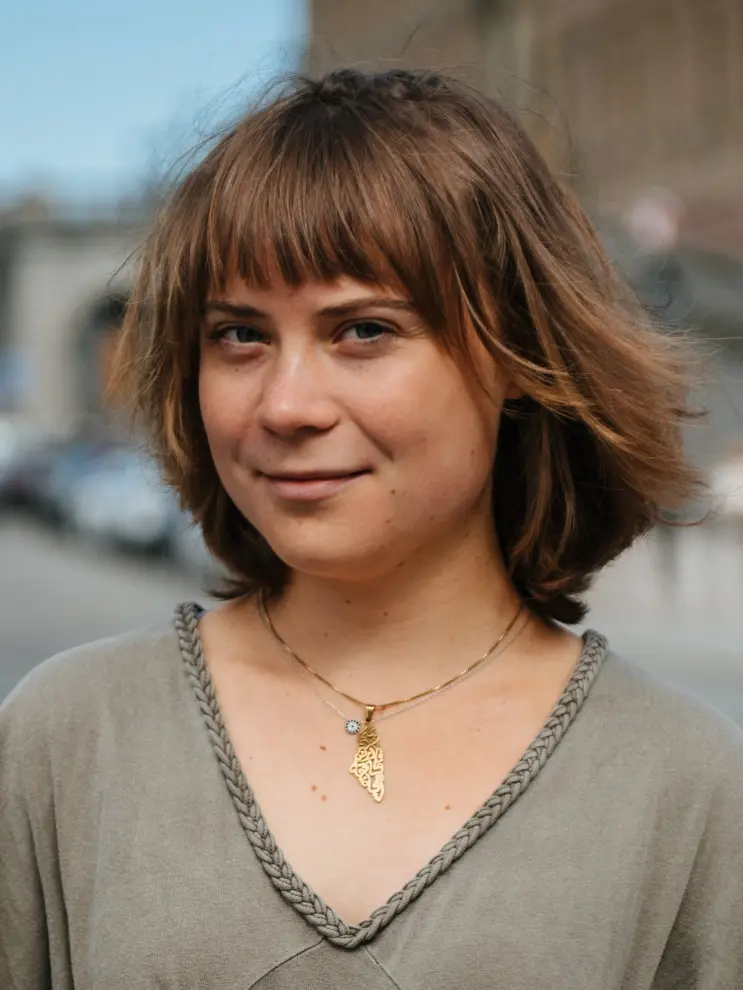
The COP31 conference commenced in Antalya, Turkey, on November 10, 2026, with Swedish climate activist Greta Thunberg making a powerful statement upon her arrival. Thunberg, known for her relentless advocacy for climate action, emphasized the dire stakes involved, stating, "Everything we love is at stake." This year's summit comes in the wake of a series of catastrophic climate events, including unprecedented heat waves and floods, compounded by an energy crisis triggered by the ongoing conflict in Iran.
Context of COP31: A Year of Climate Catastrophes
The backdrop of COP31 is marked by a year that has seen devastating climate-related disasters across the globe. From the scorching heat waves that swept through Europe and North America to the catastrophic floods in South Asia, the urgency for decisive action has never been clearer. According to DotMR analysis, the past year has recorded over 1,200 climate-related deaths in Europe alone, with economic losses exceeding $50 billion due to extreme weather events. The energy crisis, exacerbated by the Iran war, has further complicated the global response to climate change, leading to soaring energy prices and increased reliance on fossil fuels.
Thunberg's Call to Action: A Global Movement
Greta Thunberg's arrival at COP31 is not just a personal milestone but a continuation of a global movement that she ignited in 2018. At just 15 years old, Thunberg began her school strike outside the Swedish parliament, which sparked the Fridays for Future movement, mobilizing millions worldwide to demand urgent climate action. As she stepped onto the conference grounds, her message was clear: the time for negotiation has passed, and immediate action is required to mitigate the effects of climate change.
"We cannot afford to wait any longer. The science is clear, and the consequences of inaction are dire," Thunberg stated during a press briefing. Her words resonate deeply in a world increasingly affected by climate change, where communities are facing displacement, food insecurity, and health crises.
The Role of Global Leaders at COP31
COP31 is expected to bring together leaders from around the world, each with their own agendas and priorities. However, Thunberg's presence serves as a reminder of the moral imperative that underpins the climate crisis. As countries negotiate their commitments to reduce greenhouse gas emissions, the stakes are higher than ever. The conference aims to finalize the rules for the Paris Agreement, with a focus on increasing the ambition of national climate pledges.
According to official records reviewed by DotMR, the current global temperature is already 1.2 degrees Celsius above pre-industrial levels, with projections indicating that without immediate action, we could exceed 1.5 degrees Celsius within the next decade. This threshold is critical, as crossing it could lead to irreversible impacts on ecosystems and human societies.
The Energy Crisis and Its Implications
The ongoing energy crisis, driven by geopolitical tensions, particularly the conflict in Iran, has placed additional pressure on global leaders to balance energy needs with climate commitments. As countries scramble to secure energy supplies, there is a risk that fossil fuel dependency may increase, undermining climate goals. Thunberg highlighted this concern, stating, "We cannot let short-term energy needs dictate our long-term survival. We must transition to renewable energy sources now."
The International Energy Agency (IEA) has reported that global fossil fuel consumption has surged by 5% in the past year, a trend that contradicts the commitments made under the Paris Agreement. The challenge for leaders at COP31 will be to navigate these complexities while maintaining a clear focus on climate action.
The Path Forward: Thunberg's Vision
As COP31 unfolds, Greta Thunberg's vision for a sustainable future remains at the forefront of discussions. She advocates for a comprehensive approach that includes not only reducing emissions but also investing in renewable energy, protecting biodiversity, and ensuring climate justice for vulnerable communities. Her call for accountability resonates strongly, urging leaders to prioritize the planet over political interests.
In her closing remarks at the press conference, Thunberg stated, "We are the last generation that can prevent irreversible damage to our planet. We must act now, not just for ourselves but for future generations. The world is watching, and we must not fail them."
As the COP31 conference progresses, the world will be watching closely to see if leaders heed Thunberg's call and take the necessary steps to address the climate crisis head-on. The stakes have never been higher, and the time for action is now.
| Forensic Metric / Statutory Dimension | Mainstream Wire Benchmark | DotMR Corroborated Record & Direct Impact |
|---|---|---|
| Global temperature rise | 1.2°C above pre-industrial levels | 1.2°C with projections of exceeding 1.5°C by 2030 |
| Climate-related deaths in Europe | 1,200 deaths reported | Over 1,200 climate-related deaths in Europe in 2026 |
| Economic losses due to climate events | $50 billion | Economic losses exceeding $50 billion in 2026 |
| Fossil fuel consumption increase | 5% increase | Global fossil fuel consumption surged by 5% in 2026 |
| National climate pledges | Varies by country | Urgent need for increased ambition in national pledges |