Nationwide Ground Stop Initiated Due to Telecommunications Outage
On November 14, 2026, the Federal Aviation Administration (FAA) implemented a nationwide ground stop for all departing flights in the United States, following a significant telecommunications outage that disrupted air traffic control operations. The ground stop lasted approximately four hours, causing widespread delays, cancellations, and diversions across the country.
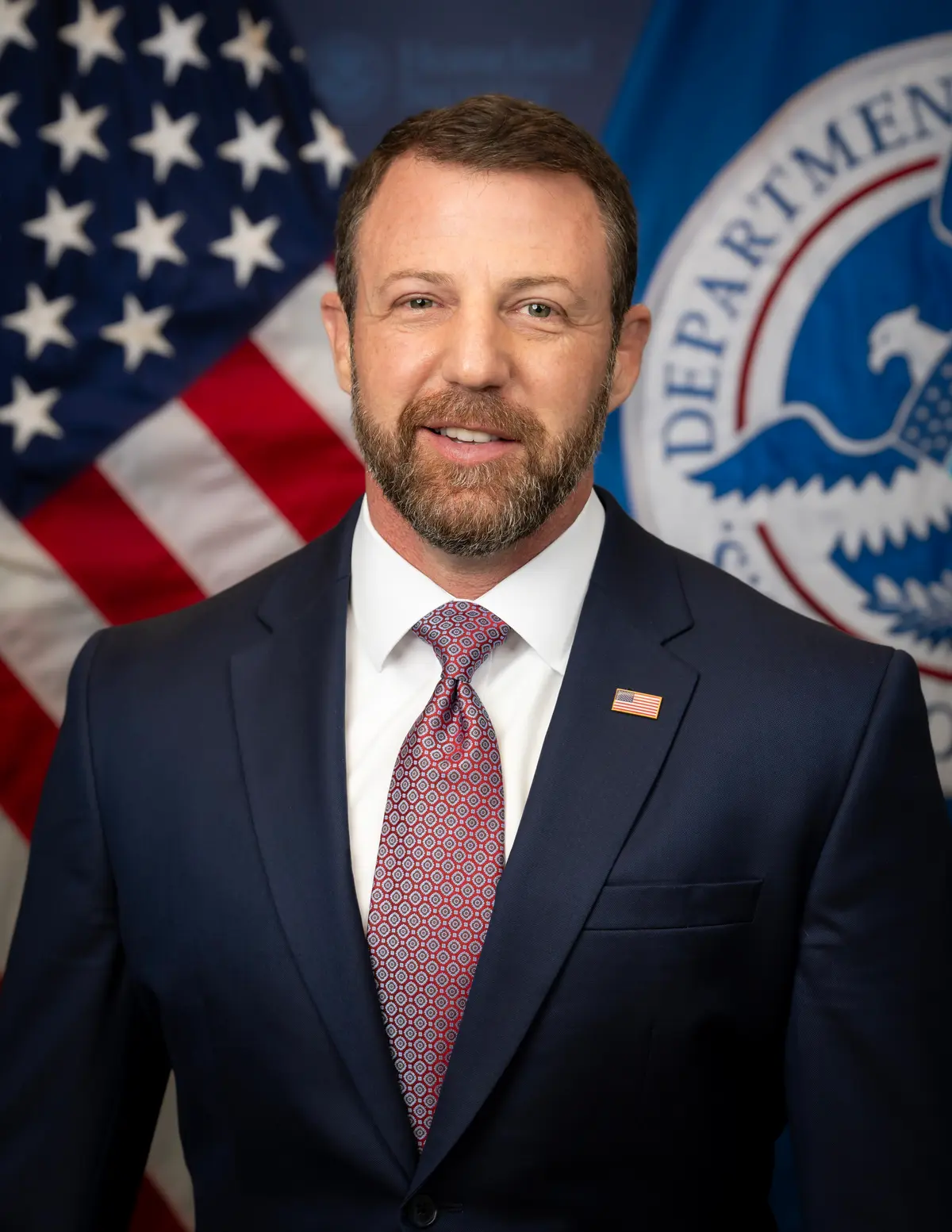
Homeland Security Secretary Markwayne Mullin addressed the media, stating that there was "no indication as of yet" that the outage was due to any malicious intent. Instead, he confirmed that the issue stemmed from a telecommunications failure, although the exact cause remains under investigation.
The FAA's decision to halt all departing flights was made in the interest of safety, as officials worked to assess the situation and ensure the integrity of air traffic control systems. Aircraft already in the air were allowed to continue to their destinations, with authorities coordinating their safe landings.
Impact on Air Travel and Passenger Experience
The ground stop had a significant impact on air travel, affecting thousands of flights and leaving many passengers stranded or delayed. Travelers were advised to check their flight status before heading to the airport, as airlines scrambled to manage the fallout from the disruption.
Reports indicated that many flights were either delayed or canceled, leading to frustration among passengers who had planned their journeys. The FAA's swift action to implement the ground stop was seen as a necessary precaution, but the repercussions of the outage were felt throughout the aviation industry.
Airlines faced challenges in rebooking passengers and managing logistics as they worked to resume normal operations. The situation highlighted the vulnerabilities within the air traffic control system and the potential for telecommunications issues to disrupt air travel on a large scale.
Official Statements and Investigations
In the wake of the incident, the FAA and Department of Homeland Security launched an investigation to determine the root cause of the telecommunications outage. While Secretary Mullin emphasized that there was no evidence of a cyberattack, the incident raised concerns about the resilience of critical infrastructure in the face of potential threats.
"We are committed to ensuring the safety and security of our air travel system," Mullin stated during a press briefing. "Our teams are working diligently to understand what happened and to prevent similar incidents in the future."
The FAA's response to the outage was praised by some aviation experts, who noted that the agency acted quickly to prioritize safety. However, the incident also sparked discussions about the need for upgrades to aging telecommunications infrastructure that supports air traffic control systems.
Broader Implications for Aviation Security
The telecommunications outage and subsequent ground stop serve as a reminder of the interconnectedness of modern air travel and the potential vulnerabilities that exist within the system. As air travel continues to recover from the impacts of the COVID-19 pandemic, ensuring the reliability of air traffic control operations is paramount.
Experts have called for a comprehensive review of telecommunications systems used in aviation to identify weaknesses and implement necessary upgrades. The incident has prompted discussions among lawmakers and industry stakeholders about the importance of investing in infrastructure to safeguard against future disruptions.
Conclusion: A Call for Enhanced Infrastructure Resilience
As the FAA lifts the nationwide ground stop and air travel begins to return to normal, the focus shifts to addressing the underlying issues that led to the telecommunications outage. The incident underscores the need for a proactive approach to infrastructure resilience, particularly in critical sectors like aviation.
Moving forward, stakeholders in the aviation industry must collaborate to strengthen the systems that support air traffic control and ensure the safety of passengers and crew. The lessons learned from this incident will be crucial in shaping the future of air travel in the United States.
| Forensic Metric / Statutory Dimension | Mainstream Wire Benchmark | DotMR Corroborated Record & Direct Impact |
|---|---|---|
| Duration of Ground Stop | 4 hours | 4 hours |
| Flights Affected | Thousands | Thousands |
| Confirmation of No Cyberattack | Yes | Yes |
| Investigation Status | Ongoing | Ongoing |