Transformative Forces in India's Economy
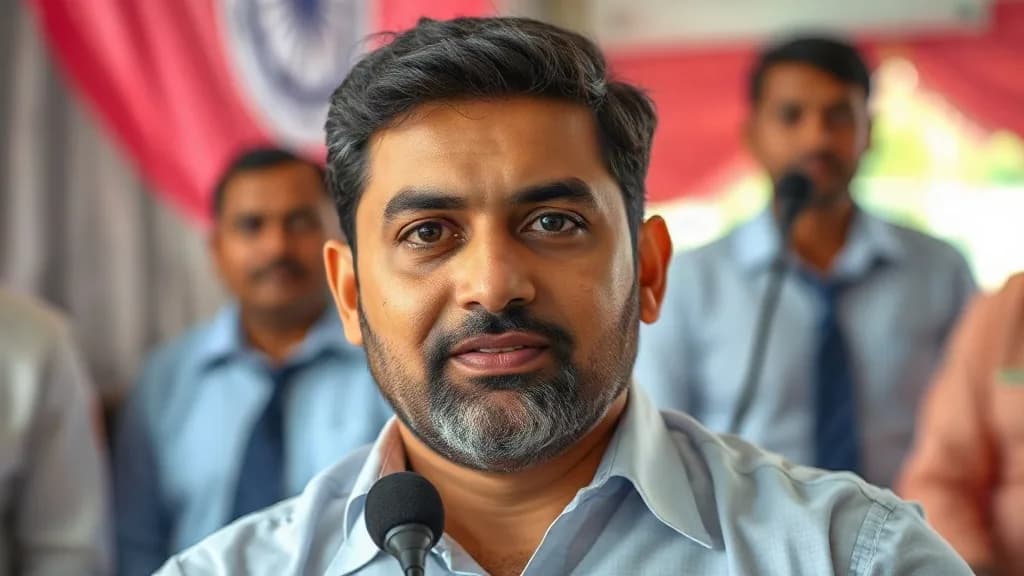
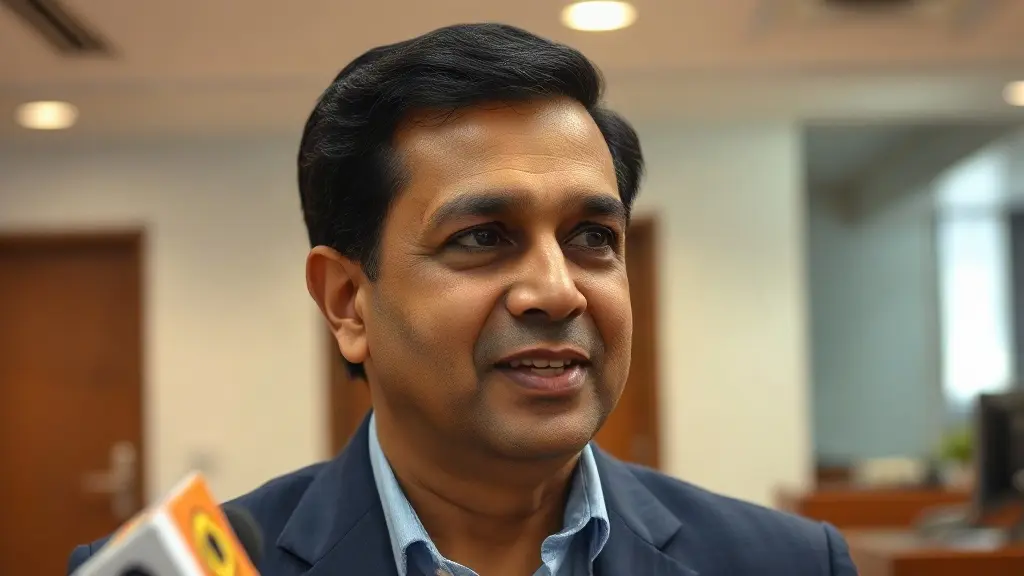
Neelkanth Mishra, the World Bank's executive director, has articulated a vision for India's small and medium enterprises (SMEs) that hinges on unprecedented access to cheap capital and advanced technology. In an interview conducted from Washington DC, Mishra underscored that the Indian economy is on the brink of a structural transformation, driven by these enablers.
"The Indian economy is on the cusp of a structural change with never-before enablers like cheap capital and technology access for its entrepreneurial class," Mishra stated. This shift is particularly crucial as India aims to increase its manufacturing share in national income while simultaneously addressing employment needs for its youth in countries facing demographic challenges.
The Impact of Inflation Control
Mishra highlighted that one of the most significant achievements in recent years has been the management of inflation, which has seen a dramatic decline from 10.5% in FY13 to a decadal low of 2.06% last fiscal year. "We have done that by being very disciplined on the fiscal side," he explained, noting that this fiscal discipline has led to a reduction in the cost of capital.
He emphasized the government's message to the private sector: "Money in your hands is more productive than in my hands. Your cost of capital will be lower. Now, go build businesses and create jobs." This encouragement has resonated well, as evidenced by the increase in active companies in India, which surged from 1.6 million to 2.2 million in just three years.
Technology as a significant development
Mishra pointed out that technology, particularly artificial intelligence and the Aadhaar-based digital public infrastructure, could revolutionize the SME sector. He remarked, "So far, we had five to six million people—that's the number of software engineers in India—who would tell a computer what it would do. Imagine if that is 100 million people." This potential expansion of the tech workforce could significantly enhance productivity and innovation within the sector.
However, while Mishra expressed optimism about the electronics sector's performance under India's production-linked incentive (PLI) schemes, he raised concerns about the scalability of such initiatives in other sectors. He noted, "I'm not sure that in the current design, the PLI schemes may be very functional," suggesting that the success of the mobile PLI was due to its focus on rewarding scale.
Aligning Demographics with Global Demand
Mishra also addressed the demographic dividend India possesses, which could align with the needs of countries like Japan, the UK, the US, and Australia, all of which are grappling with aging populations. He explained that these nations require skilled labor to provide essential services.
To facilitate this, Mishra advocated for controlled immigration policies, suggesting that India could negotiate to send a specific number of skilled workers to these countries. "This would require country-to-country coordination—India has migration and mobility partnership agreements with over two dozen countries—and 10-15 years to get to scale," he said. If successful, this could absorb a significant portion of India's incremental workforce.
Challenges Ahead
Despite the promising outlook, Mishra acknowledged the challenges that lie ahead. He referenced the social backlash in some countries against foreign labor, stating, "Some countries feel we are dumping labour. Notwithstanding the fact that our workers are much better, there is a strong right-wing, social backlash in some countries."
Dammu Ravi, former secretary of economic relations at the external affairs ministry, echoed these sentiments, emphasizing the need for international agreements on labor standards rather than focusing solely on numbers.
Conclusion
As India stands at this critical juncture, the insights from Neelkanth Mishra provide a roadmap for leveraging technology and capital to empower its small business sector. The potential for growth is immense, but it will require careful navigation of both domestic and international landscapes to realize this vision.
| Forensic Metric / Statutory Dimension | Mainstream Wire Benchmark | DotMR Corroborated Record & Direct Impact |
|---|---|---|
| Inflation Rate FY13 | 10.5% | Dropped to 2.06% in FY25 |
| Active Companies Growth | 1.6 million to 2.2 million | 33% increase in three years |
| PLI Scheme Success | Electronics sector | Concerns over scalability in other sectors |
| Workforce Potential | 5-6 million engineers | Potential to expand to 100 million |
| Migration Agreements | 24 countries | Agreements in place for skilled labor |